


Spring is a beautiful season in Long Island, bringing warmer temperatures, blooming flowers, and longer days. However, it also brings frequent rain showers that can pose a serious risk to homes and businesses. While April showers may bring May flowers, they can also bring unexpected water damage if your property isn’t properly prepared.
The Impact of Spring Rain on Long Island Properties
Long Island’s climate makes it particularly susceptible to heavy rainfall in the spring. Sudden downpours, combined with melting snow from the winter, can cause water intrusion issues. Long Island experiences an increase in average rainfall from 3.0 inches to 3.6 inches during spring, with peak precipitation occurring in early April. Some common risks associated with springtime rain include:
- Flooding: Heavy rain can overwhelm drainage systems, leading to standing water around your foundation.
- Roof Leaks: Damaged or clogged gutters can cause water to pool on your roof, leading to leaks.
- Basement Seepage: High groundwater levels can force water through cracks in your basement walls or floors.
- Mold Growth: Persistent moisture creates the perfect environment for mold to thrive, potentially impacting indoor air quality and structural integrity.
- Sewer Backups: Intense rainfall can overload municipal sewer systems, leading to backups that can flood basements with contaminated water.
- Foundation Erosion: Consistent heavy rainfall can weaken your home’s foundation over time, increasing the risk of cracks and structural damage.
How to Prevent Water Damage During Spring
Being proactive can save you from costly repairs and extensive restoration work. Here are a few key tips to help protect your home:
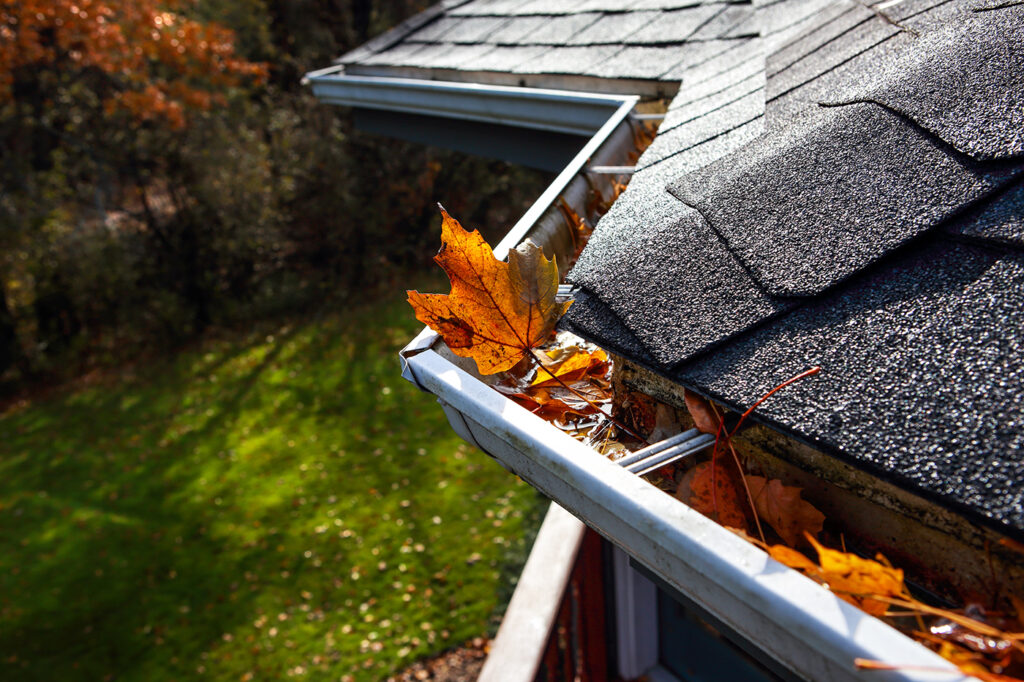
- Inspect and Clean Your Gutters – Ensure that your gutters and downspouts are free from debris so they can properly direct rainwater away from your home.
- Check Your Roof – Look for missing or damaged shingles that could allow water to seep into your attic and walls.
- Seal Foundation Cracks – Small cracks in your foundation can allow water to enter, leading to basement flooding.
- Install a Sump Pump – A sump pump in your basement can help remove excess water and prevent flooding.
- Improve Drainage Around Your Property – Ensure that the grading around your home slopes away from the foundation to minimize water accumulation.
- Maintain Your Plumbing System – Leaks in your plumbing system can worsen during heavy rains, so regular inspections are crucial.
- Test Your Sump Pump Regularly – A sump pump is only effective if it’s in working condition. Test it before the rainy season begins to ensure it functions properly when needed.
- Consider Installing a Backwater Valve – This device can help prevent sewage backups by blocking backflow from the main sewer line.
- Elevate Utilities and Service Equipment – FEMA recommends raising air conditioning units, water heaters, and electrical components to reduce the risk of flood damage.
- Purchase Flood Insurance – FEMA reports that even an inch of water in a home can cause up to $25,000 in damages. Standard homeowners’ insurance does not cover flooding, so investing in a flood insurance policy through the National Flood Insurance Program (NFIP) can be a smart financial decision.
The Long-Term Effects of Water Damage
Water damage doesn’t just cause immediate issues—it can lead to long-term problems if not addressed properly. Here are some of the lasting effects of untreated water damage:
- Structural Weakness: Water can weaken walls, floors, and ceilings, compromising the integrity of your home.
- Electrical Hazards: Water exposure to electrical wiring can cause short circuits and fire risks.
- Decreased Property Value: Homes with a history of water damage may lose value due to persistent mold issues and compromised structures.
- Health Risks: Mold and mildew from water damage can contribute to respiratory issues and other health problems.
What to Do If You Experience Water Damage
Despite best efforts, water damage can still occur. If your home or business is affected by flooding, leaks, or moisture buildup, acting fast is critical to preventing further damage. Here’s what to do:
- Stop the Source: If possible, identify and stop the water intrusion.
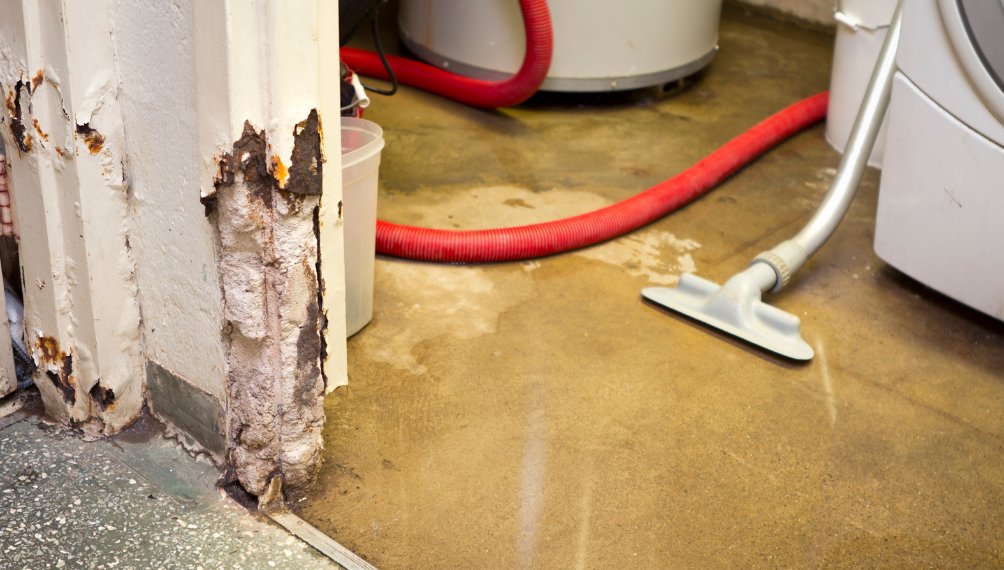
- Remove Excess Water: Use mops, towels, or a wet/dry vacuum to remove standing water.
- Call the Professionals: PuroClean of Huntington specializes in water damage restoration and can help mitigate further damage while restoring your property to its pre-loss condition.
- Dry and Dehumidify: Using fans and dehumidifiers can help reduce moisture levels and prevent mold growth.
- Document the Damage: Taking photos and recording details of the damage will be helpful for insurance claims.
- Check for Mold Growth: Even after drying, be on the lookout for any signs of mold, such as a musty odor or visible discoloration on surfaces.
Trust PuroClean of Huntington for Water Damage Restoration
At PuroClean of Huntington, we understand how quickly water damage can escalate, especially during the unpredictable spring season. Our team is equipped with industry-leading technology and expertise to handle water extraction, drying, and restoration efficiently. We proudly serve Suffolk and Nassau counties, ensuring that homeowners and businesses get back to normal as quickly as possible.
If you’re dealing with water damage or want to take preventive measures, call us today at 631-402-9700. Let’s work together to keep your property safe and dry this spring!


