 PuroClean of Huntington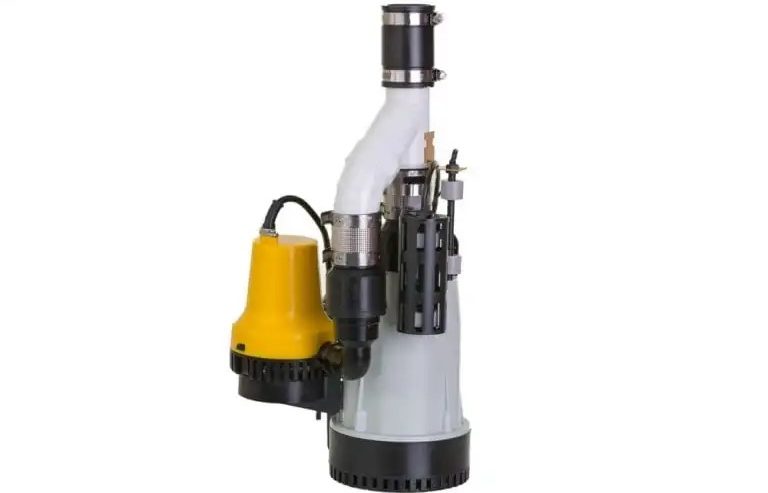
Avoid These Common Sump Pump Maintenance Mistakes
A sump pump can mean the difference between a costly flooding incident and a dry basement—especially here on Long Island, where heavy rainfall and high groundwater levels often pose a risk to homeowners in Suffolk and Nassau County. In this article, you’ll learn about the most common sump pump maintenance mistakes to avoid, helping you protect your property year-round.
There are two types of sump pumps:
- Submersible pumps, which are installed beneath the basement floor.
- Pedestal pumps, which sit above the sump basin and are easier to access for maintenance.
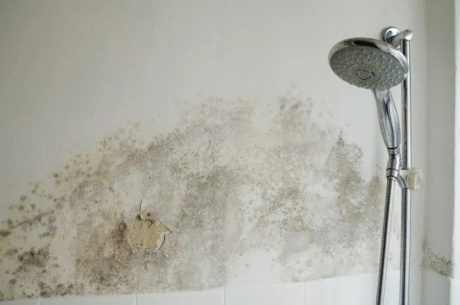
These pumps work by removing groundwater from around your home’s foundation and redirecting it—typically to storm drains or dry wells. After storms or snowmelt, a properly functioning sump pump is essential for keeping your basement dry and mold-free.
To help Long Island homeowners like you avoid preventable damage, the experts at PuroClean of Huntington have compiled this list of common sump pump maintenance mistakes to steer clear of:
Common Sump Pump Maintenance Mistakes
DIY Installation
Installing a sump pump without experience can lead to incorrect setups that may fail when you need them most. Hire a licensed plumbing professional to ensure proper installation and operation, especially in flood-prone areas of Suffolk and Nassau.
No Backup Power
During hurricanes or nor’easters, power outages are common. Without a backup power source, your sump pump won’t run when it’s needed most. Consider installing a battery backup or generator—particularly important for homes in low-lying zones of Long Island.
Ignoring Power Source Issues
A tripped breaker, faulty outlet, or expired battery backup can all render your pump useless. Regularly test the power source and ensure your system is ready to operate in any condition.
Not Testing Your Sump Pump
You should test your sump pump at least twice a year—ideally in early spring and fall—right before peak wet seasons. Slowly pour water into the sump pit until the pump activates. If it’s sluggish or fails to operate, it may be time for cleaning or repairs.
Ignoring the Discharge Pipe
Ensure the discharge pipe is tightly connected, free of damage, and directs water well away from your home’s foundation. With so many homes in Huntington and nearby towns sitting on older infrastructure, it’s worth checking this often.
Letting Debris Get in the Pump
Your sump pump should never rest directly on dirt, gravel, or loose silt. Place it on a stable surface like pavers, and use a filter fabric around the basin to keep debris out. Otherwise, you risk clogging or burning out the motor.
Ignoring the Float Switch
The float switch controls when your sump pump turns on and off. Make sure nothing is obstructing it. If it gets stuck, your pump might not activate—or it may run nonstop, wearing out prematurely.
Unplugging the Pump
If your sump pump gets unplugged for any reason (perhaps during cleaning or storage reorganization), remember to plug it back in. Forgetting to do so is a common and costly oversight.
Covering the Sump Pump
Avoid piling boxes, furniture, or storage bins on top of the sump pump. Blocking access or adding weight to the unit could damage components or prevent quick service when it’s needed.
Neglecting Regular Inspections
Set a reminder every 2-3 months to inspect your sump pump. Check for signs of wear, strange noises, or debris buildup. With Long Island’s unpredictable weather, small issues can escalate quickly if not caught early.
Not Testing the Check Valve
This valve stops water from flowing back into the pit after it’s pumped out. If it fails, your system may run more than necessary, increasing wear and energy use. Test it regularly and replace it if needed.
Skipping Lubrication
Some pumps require occasional lubrication to keep moving parts running smoothly. Refer to your manufacturer’s guidelines and follow the schedule to help extend the life of your pump.
Professional Help When You Need It
Routine sump pump maintenance is one of the best ways to prevent basement flooding. We recommend working with a local septic or plumbing expert twice a year. If your home does experience water damage, don’t wait—call PuroClean of Huntington.
We proudly serve homeowners across Suffolk and Nassau Counties. Protect your property with professional help from your trusted local experts. Call PuroClean of Huntington today at 631-402-9700 for a free consultation or emergency response


 PuroClean of Huntington