 PuroClean of Hoboken
Smoke and soot damage can be just as destructive—if not more—than the fire itself. In a dense, waterfront city like Hoboken, where residential buildings, restaurants, and commercial spaces are closely connected, smoke can spread quickly and cause widespread contamination.
Whether you’re a homeowner, landlord, or business operator near Washington Street Hoboken, understanding how smoke and soot behave—and how to properly clean them—is critical for protecting your property and health.
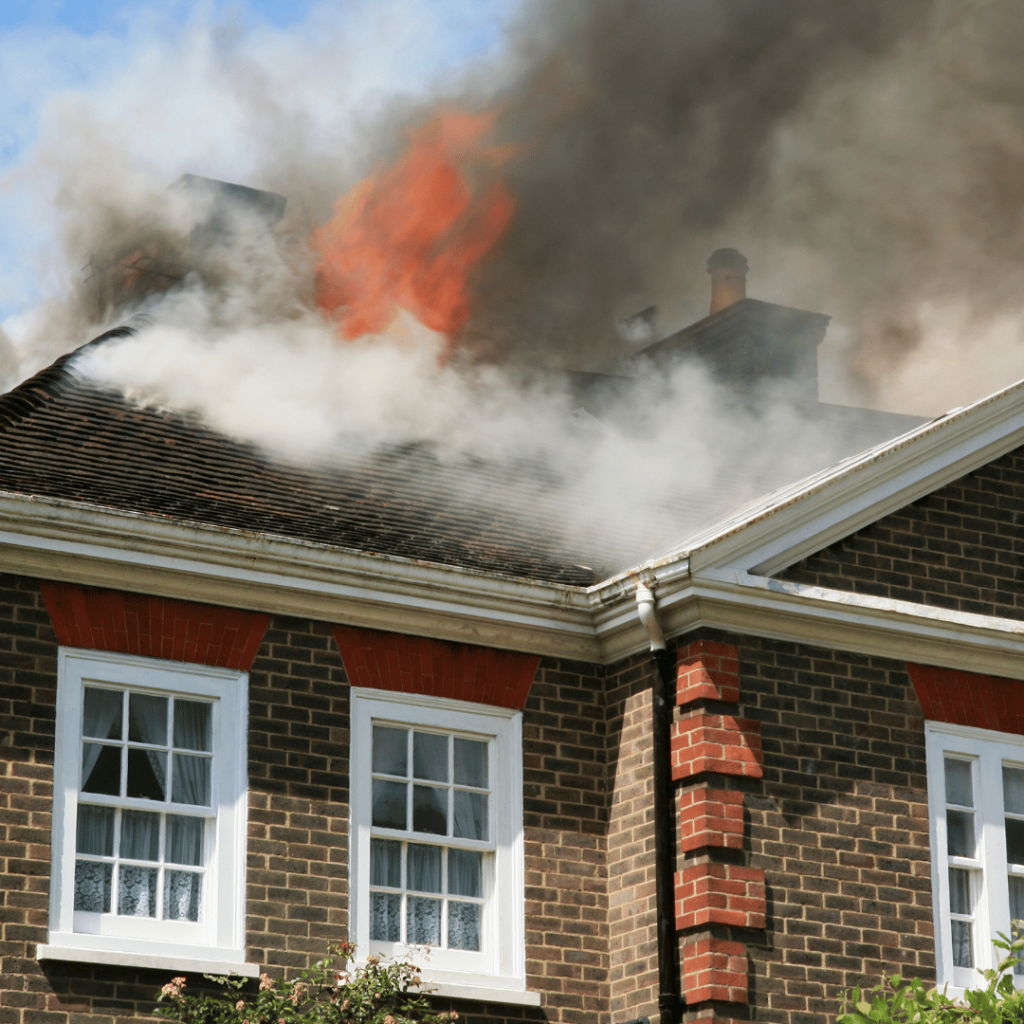
Table of Contents
What Is Smoke & Soot Damage?
Smoke is a mixture of airborne particles and gases produced during combustion, while soot is the fine black residue left behind after incomplete burning. Together, they can travel far beyond the original fire source, settling into walls, furniture, ventilation systems, and personal belongings.
In urban environments like Hoboken, even a small fire in one unit can affect multiple apartments or neighboring businesses due to shared walls and HVAC systems.
Dry Soot vs. Wet Soot: What’s the Difference?
Not all soot is created equal. Identifying the type of soot is essential because each requires a different cleaning approach.
Dry Soot (From Fast-Burning Fires)
Dry soot is typically produced by high-temperature, fast-burning fires involving materials like paper or wood. It has a powdery texture and is easier to remove compared to other types.
However, dry soot can still spread easily throughout a property. In Hoboken’s multi-unit buildings, it can travel through vents and settle on surfaces far from the fire source. If handled improperly—such as wiping it without proper tools—it can become embedded into surfaces.
Wet Soot (From Slow, Smoldering Fires)
Wet soot results from low-heat, slow-burning fires, often involving plastics, rubber, or synthetic materials. This type of soot is thick, sticky, and smeary, making it significantly more difficult to clean.
Wet soot is common in kitchen fires or electrical fires and is particularly damaging in residential kitchens and commercial spaces throughout Hoboken. It clings to walls, ceilings, and appliances, and often carries strong, persistent odors.
Health Risks of Smoke Residue
One of the most serious aspects of smoke and soot damage is the potential impact on health. Even after visible debris is removed, microscopic particles can remain in the air and on surfaces.
Respiratory Issues
Smoke residue contains fine particles that can irritate the lungs and airways. Exposure may lead to coughing, shortness of breath, or worsening of conditions like asthma.
Toxic Chemical Exposure
When synthetic materials burn, they release harmful chemicals such as carbon monoxide and volatile organic compounds (VOCs). These toxins can linger in enclosed spaces, especially in tightly built properties common in Hoboken.
Skin and Eye Irritation
Direct contact with soot can cause skin irritation, while airborne particles may irritate the eyes. This is particularly concerning for families, employees, or customers spending extended time in affected spaces.
Long-Term Air Quality Concerns
If soot and smoke particles are not thoroughly removed, they can continue circulating through HVAC systems. This leads to ongoing indoor air quality issues that may affect occupants long after the fire event.
Specialized Cleaning Methods for Smoke & Soot Damage
Cleaning smoke and soot damage is not a simple wipe-down job. Using the wrong method can spread contamination or make stains permanent. That’s why professional restoration techniques are often necessary.
Dry Cleaning & HEPA Vacuuming
For dry soot, professionals use specialized vacuums with HEPA filters to remove loose particles without spreading them. Dry chemical sponges may also be used to lift soot from surfaces safely.
Wet Cleaning & Degreasing
Wet soot requires stronger cleaning solutions and degreasers to break down its sticky residue. This process often involves multiple steps to fully remove contamination from walls, ceilings, and hard surfaces.
Odor Removal & Air Scrubbing
Smoke odors can linger even after visible soot is gone. Professionals use air scrubbers, thermal fogging, and ozone treatments to neutralize odors at the molecular level.
HVAC System Cleaning
In buildings near Washington Street Hoboken and other densely populated areas, HVAC systems can quickly become contaminated. Cleaning ductwork is essential to prevent the spread of smoke particles and restore indoor air quality.
Content Cleaning & Restoration
Furniture, electronics, and personal belongings often require specialized cleaning techniques. In some cases, items can be restored rather than replaced—saving both time and money.
Why Fast Action Matters in Hoboken
In a compact city like Hoboken, delays in addressing smoke and soot damage can lead to:
- Permanent staining and corrosion
- Increased health risks
- Odor buildup that becomes harder to remove
- Damage spreading to neighboring units or businesses
For property owners and businesses, quick response is key to minimizing disruption and restoring normal operations.
Final Thoughts
Smoke and soot damage can quietly compromise your property long after a fire is extinguished. Understanding the difference between dry and wet soot, recognizing the health risks, and using the right cleaning methods are essential steps in recovery.
For homeowners and businesses in Hoboken, especially in busy areas like Washington Street Hoboken, professional assessment and restoration can make all the difference.
Taking swift, informed action ensures your space is not only clean—but safe, healthy, and fully restored.


 PuroClean of Hoboken