 PuroClean of Hoboken
A chimney fire can be a frightening experience for any homeowner. Even if the flames appear small or quickly extinguished, chimney fires can cause serious hidden damage to your home. Soot, smoke residue, and extreme heat can compromise your chimney structure, spread odor throughout your house, and increase the risk of future fires if not handled properly. Knowing what to do immediately after a chimney fire can help protect your property and your family.
Here is a step-by-step guide to what you should do after a chimney fire — and how professional restoration can help.
Step 1: Ensure Everyone Is Safe
Your first priority after a chimney fire is safety. Make sure all occupants are out of the home and accounted for. Even if the fire seems contained, lingering smoke, carbon monoxide, or structural damage can still pose a serious risk. Do not re-enter the home until the fire department confirms it is safe to do so.
Step 2: Do Not Use the Fireplace Again
After a chimney fire, do not use your fireplace or heating system again until it has been professionally inspected. Chimney fires can crack flue liners, warp metal components, and weaken masonry. Using the fireplace too soon could ignite remaining creosote or cause flames to spread into walls or the attic.
Step 3: Document the Damage
Once it is safe, take photos and videos of visible damage, including soot buildup, smoke staining, damaged chimney components, and any affected rooms. This documentation is important for insurance purposes and helps restoration professionals assess the extent of the damage accurately.
Step 4: Contact Your Insurance Company
Notify your homeowner’s insurance company as soon as possible. Chimney fires often fall under fire damage coverage, but policies vary. Having detailed documentation and working with a professional restoration company like PuroClean can help streamline the claims process and reduce stress during an already difficult time.
Step 5: Schedule a Professional Chimney Inspection
A certified chimney professional should inspect your chimney system thoroughly. Chimney fires often cause damage that isn’t visible from the outside, including cracked liners and compromised mortar joints. This inspection ensures it’s safe to repair and eventually use your fireplace again.
Step 6: Address Smoke and Soot Damage Immediately
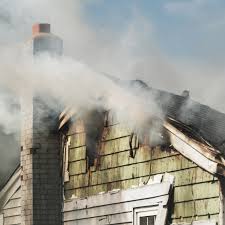
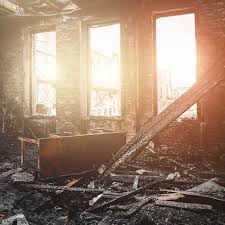
Even if the fire was contained within the chimney, smoke and soot can travel throughout your home. These residues are acidic and can damage walls, ceilings, furniture, and HVAC systems if left untreated. Smoke odors can also linger long after the fire is out.
Professional fire and smoke damage restoration, like the services provided by PuroClean, removes harmful residues, neutralizes odors, and restores indoor air quality. DIY cleaning often spreads soot further and may cause permanent staining.
Step 7: Prevent Future Chimney Fires
After repairs and restoration are complete, prevention is key. Schedule annual chimney inspections and cleanings, burn only seasoned firewood, and avoid overloading your fireplace. Installing chimney caps and spark arrestors can also reduce fire risk.
Why Professional Restoration Matters
Chimney fires are deceptive — the damage is often far worse than it appears. Professional restoration specialists have the equipment, training, and experience to safely clean soot, remove smoke odor, and repair fire-related damage before it leads to long-term issues.
At PuroClean, we understand how overwhelming fire damage can be. Our team responds quickly to help homeowners recover safely, thoroughly, and with care. From smoke cleanup to structural drying and odor removal, we’re here to help you get your home back to normal.
Call PuroClean for Fire & Smoke Damage Restoration
If your home has experienced a chimney fire, don’t wait. Acting quickly can prevent further damage and protect your investment. Contact PuroClean today for professional fire and smoke damage restoration you can trust.

 PuroClean of Hoboken