


Table of Contents
A hidden water leak can cause serious damage long before you see standing water. The best way to catch one early is to watch for unexplained increases in your water bill, monitor your water meter, look for stains or warped materials, and pay attention to musty odors or unusual plumbing sounds.
If you suspect a leak in your Kalispell, MT, home, acting quickly can help prevent damage to drywall, flooring, insulation, and other building materials.
What Is a Hidden Water Leak?
A hidden water leak is water escaping from a plumbing line, fixture, appliance, roof, or other source in an area that is difficult to see. Leaks may develop behind walls, beneath flooring, above ceilings, inside cabinets, or around foundations.
Because the water is often concealed, damage can continue gradually before homeowners realize there is a problem. Detecting hidden water damage early can significantly reduce the amount of material that becomes wet and requires restoration.
7 Signs You May Have a Hidden Water Leak
No single warning sign proves that a leak is present. However, several changes around your home should prompt a closer inspection.
1. Your Water Bill Suddenly Increases
If your water usage has not changed but your bill rises unexpectedly, water may be escaping somewhere in your plumbing system.
Compare several months of water bills rather than relying on one billing cycle. A consistent increase without an obvious explanation is worth investigating.
2. Your Water Meter Keeps Running
Your water meter can help identify plumbing leaks that are not immediately visible.
To perform a simple test:
- Turn off faucets, appliances, irrigation systems, and other water-using fixtures.
- Check the water meter and record the reading.
- Avoid using water for approximately 30 to 60 minutes.
- Check the meter again.
If the reading changes, there may be a water leak behind walls, under flooring, or somewhere else in the plumbing system.
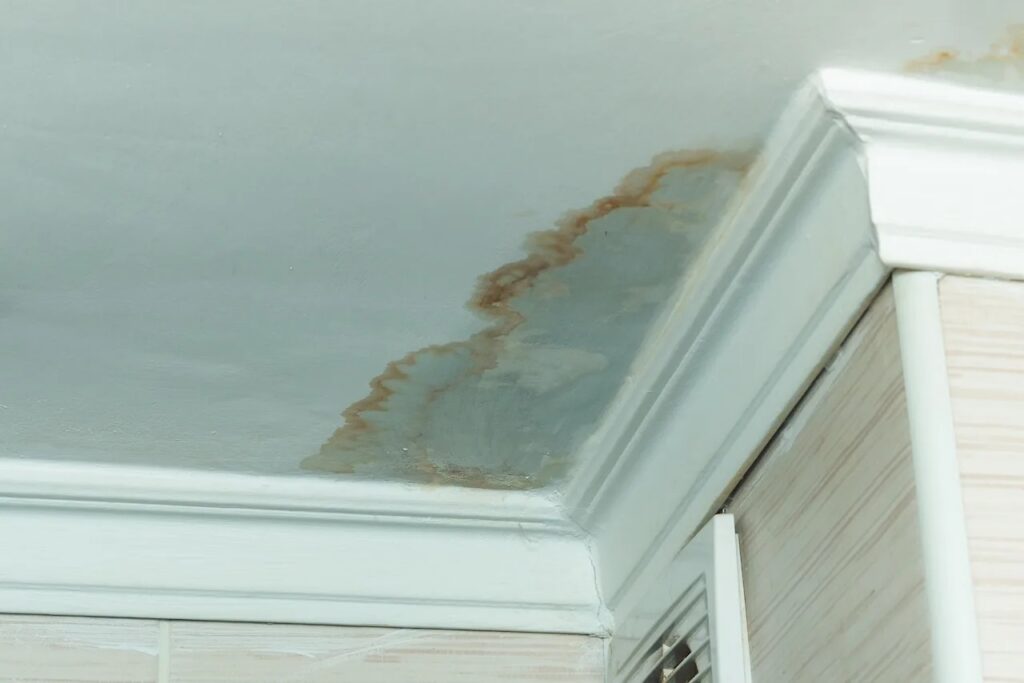
3. You Notice Stains or Discoloration
Yellow, brown, or dark marks on walls and ceilings can indicate moisture accumulating behind the surface.
Look closely around bathrooms, kitchens, laundry areas, plumbing fixtures, and rooms located beneath bathrooms. A growing stain should not be ignored, even if the surface feels dry.
4. Floors or Walls Begin to Change
Water can affect building materials before visible water appears. Watch for changes such as:
- Warped or buckled flooring
- Peeling or bubbling paint
- Soft drywall
- Swollen baseboards
- Loose flooring materials
- Cracking or deteriorating finishes
These symptoms may indicate a concealed plumbing leak or another source of unwanted moisture.
5. You Smell a Persistent Musty Odor
A musty smell can indicate moisture trapped inside walls, flooring, cabinets, or other enclosed spaces.
Dry building materials generally should not produce a persistent damp odor. If the smell continues even after cleaning and ventilation, further investigation may be necessary.
6. You Hear Water When Nothing Is Running
Dripping, hissing, or flowing sounds inside walls can sometimes indicate an active leak.
Turn off televisions, appliances, faucets, and other sources of noise and listen carefully near bathrooms, kitchens, utility rooms, and plumbing walls.
7. One Area Stays Damp or Unusually Warm
Persistent damp areas can indicate water beneath flooring or behind building materials. An unusually warm section of flooring may also warrant investigation when hot-water plumbing passes beneath it.
Professional water leak detection can help determine the source when visible evidence is limited.
Hidden Water Leak Signs at a Glance
Different symptoms can point toward different potential sources. This table can help homeowners decide where to investigate first.
| Warning Sign | Possible Cause | What to Do |
|---|---|---|
| Rising water bill | Plumbing or fixture leak | Check fixtures and water meter |
| Ceiling stain | Roof, bathroom, or pipe leak | Inspect the area above the stain |
| Warped flooring | Water beneath flooring | Stop nearby water sources and investigate |
| Musty odor | Trapped moisture | Check enclosed and poorly ventilated areas |
| Running water sound | Active plumbing leak | Turn off fixtures and monitor the meter |
| Peeling paint | Moisture behind the wall | Check plumbing and nearby water sources |
How to Find a Hidden Water Leak Step by Step
If something suggests that water is entering your home, a systematic approach can help narrow down the source.
Step 1: Check Visible Plumbing First
Inspect faucets, toilets, sinks, supply lines, water heaters, washing machines, dishwashers, and exposed pipes.
Look for dripping connections, corrosion, standing water, or damp materials.
Step 2: Test the Water Meter
If visible fixtures appear dry, use the meter test described above. Continued meter movement can indicate that water is escaping elsewhere in the system.
Step 3: Trace the Location of the Damage
Consider what is directly above, below, or behind the affected area. For example, a ceiling stain beneath an upstairs bathroom may point toward plumbing, a shower enclosure, or another water source in that room.
Step 4: Check Less Obvious Areas
Inspect cabinets, closets, utility spaces, basements, and areas around exterior walls.
Older homes in Kalispell may have plumbing systems and building materials that have experienced decades of temperature changes, repairs, and normal wear. Checking less accessible areas is especially important when the home’s plumbing history is uncertain.
Step 5: Get Professional Help When the Source Is Unclear
Avoid repeatedly opening walls or removing flooring simply to search for water. Restoration professionals can use moisture-detection equipment to help identify affected areas and determine how far moisture has traveled.
Finding the source is only part of the process. Materials that have absorbed water may also need professional drying to prevent additional deterioration.
The U.S. Environmental Protection Agency’s WaterSense program also recommends regularly checking household plumbing fixtures and water usage for signs of leaks.
Why Hidden Leaks Can Be Especially Problematic in Older Kalispell Homes
Kalispell includes many homes built across different periods, which means plumbing materials and construction methods can vary significantly from one property to another.
In an older home, leaks may occur around aging pipe connections, plumbing modifications, bathrooms, kitchens, or other areas that have been renovated over time. Montana’s seasonal temperature changes can also make regular inspection of plumbing and water-prone areas an important part of home maintenance.
Homeowners should pay particular attention to spaces that have experienced previous water problems or plumbing repairs.
What Should You Do After Finding a Leak?
Once you locate or strongly suspect the source, focus first on stopping additional water.
If it is safe and practical, shut off the affected fixture or the home’s main water supply. Then remove belongings from the affected area and contact the appropriate plumbing or restoration professional.
Water can move beyond the area where it first becomes visible. Professional moisture assessment can help determine whether drywall, insulation, flooring, subflooring, or other materials have been affected.
When Should You Call a Water Damage Restoration Company?
A small leak that is discovered immediately may sometimes require only a plumbing repair and basic cleanup. Professional restoration becomes more important when water has reached porous materials, affected multiple areas, or remained undetected for an unknown amount of time.
Consider professional help if:
- Water has entered walls, ceilings, or flooring.
- The affected area continues to feel damp.
- You cannot determine how far the moisture traveled.
- Materials are beginning to swell, warp, or deteriorate.
- You discover the leak after it has likely been present for several days.
PuroClean can assess water-damaged areas and help with professional drying and restoration after the source of the leak has been addressed.
If you discover a hidden water leak or water damage in your Kalispell, MT, property, contact PuroClean at (406) 890-6202 for professional water damage assessment, drying, and restoration services.
Frequently Asked Questions
Q: How can I tell if I have a hidden water leak?
A: Common signs include an unexplained increase in your water bill, water meter movement when no water is being used, stains, warped materials, musty odors, and sounds of running water. If several of these warning signs appear together, a concealed leak may be present.
Q: Can a hidden water leak cause mold?
A: Yes. Persistent moisture can create conditions that support mold growth, especially when wet materials cannot dry properly. Finding the leak and drying affected materials quickly can help reduce the risk of secondary damage.
Q: Where do hidden water leaks usually occur?
A: Leaks commonly develop behind walls, beneath sinks, around toilets and showers, under flooring, near appliances, around water heaters, and along concealed plumbing lines. Keep in mind that visible water damage may appear some distance from the actual source.
Q: How long can a water leak go unnoticed?
A: Some leaks become obvious within hours, while slow leaks can remain hidden for days, weeks, or even longer. Small leaks behind walls or beneath flooring may only become noticeable after staining, odors, material damage, or higher water usage appears.
Q: Who should I call for a hidden water leak?
A: A plumber can locate and repair problems within your plumbing system. If the leak has already caused damage to walls, flooring, ceilings, or other materials, PuroClean can help assess the affected areas and provide professional drying and water damage restoration.
Key Takeaways
A hidden water leak is easier and less costly to address when it is discovered before moisture spreads extensively. Remember these key points:
- Watch for unexplained water bills, stains, odors, and damaged materials.
- Use your water meter to check for unexpected water usage.
- Inspect plumbing fixtures and less-visible areas regularly.
- Pay extra attention to aging plumbing in older Kalispell homes.
- Do not assume visible damage shows the full extent of the moisture.
- Address the water source first, then evaluate the affected materials.
- Seek professional water damage restoration when moisture has spread into walls, flooring, or other porous materials.