


Table of Contents
Mold growth after water damage can become a concern quickly when wet materials are not properly dried. The U.S. Environmental Protection Agency recommends drying wet or damp areas within 24–48 hours after a leak or spill; when materials are dried within that window, mold growth can often be prevented.
That makes the first two days after water damage especially important. Removing standing water is only the first step – drywall, insulation, wood, carpet, and other materials may continue holding moisture even when surfaces look dry.
How Quickly Can Mold Growth After Water Damage Become a Problem?
There is no exact hour when mold will appear in every property. The timeline depends on moisture levels, temperature, airflow, the materials that became wet, and how quickly drying begins.
Both the EPA and Centers for Disease Control and Prevention emphasize drying water-damaged areas within approximately 24–48 hours to reduce the likelihood of mold developing.
A useful way to think about the timeline is:
| Time After Water Damage | What May Be Happening | Recommended Action |
|---|---|---|
| First 24 hours | Materials absorb and retain moisture | Stop the source and begin extraction and drying |
| 24–48 hours | Mold risk increases if materials remain wet | Continue active drying and moisture monitoring |
| After 48 hours | Persistent moisture may support mold development | Inspect hidden areas and consider professional assessment |
| Several days or longer | Hidden mold growth may become more likely in wet materials | Address both moisture and any confirmed microbial growth |
The 24–48-hour timeframe is a prevention guideline rather than a guarantee that mold will always appear after two days. EPA guidance specifically notes that mold growth does not automatically occur after 48 hours.
Why Does Mold Grow After Water Damage?
Mold spores are naturally present in indoor and outdoor environments. Problems develop when those spores encounter enough moisture to begin growing on suitable materials.
Water damage can provide moisture to many common building materials, including drywall, wood, insulation, carpet, ceiling materials, and paper products. These porous materials can retain water beneath the surface, creating moisture-related mold problems that may not be immediately visible.
Moisture Can Remain After the Water Is Gone
A floor or wall can feel dry on the surface while moisture remains underneath or inside the material.
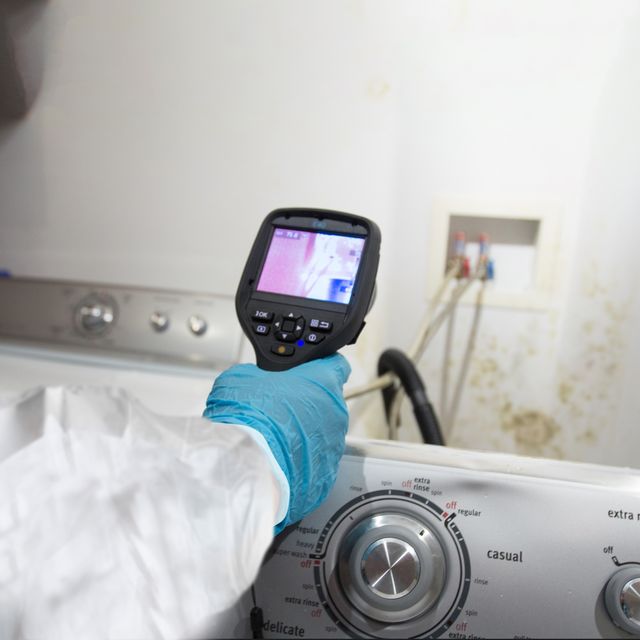
That is why professional water damage restoration often involves moisture measurements rather than relying only on visual inspection. Areas behind walls, beneath flooring, inside ceilings, attics, and crawl spaces can be particularly easy to overlook.
What Factors Affect How Fast Mold Develops?
Several conditions influence the likelihood and speed of mold development after a leak, flood, or other water loss.
Amount of Water
A minor leak discovered immediately presents a different situation from a room that has been flooded for several hours.
More water generally means more materials may have absorbed moisture and more areas may require drying.
Type of Material
Porous materials absorb water more easily than hard, nonporous surfaces. Drywall, carpet padding, insulation, wood, and ceiling tiles can retain moisture internally.
If these materials cannot be thoroughly dried, they may require additional evaluation or removal.
Airflow and Humidity
Poor ventilation and elevated indoor humidity can slow the drying process. Basements, crawl spaces, wall cavities, closets, and other enclosed areas may therefore remain damp longer than open rooms.
How Long the Water Was Present
A leak discovered immediately gives homeowners more time to intervene before significant moisture spreads.
Water that remains unnoticed behind a wall, beneath flooring, or in an attic for several days increases the possibility of mold after a water leak.
What Should You Do in the First 24–48 Hours?
The goal after water damage is to stop the source and begin drying as quickly as conditions safely allow.
Follow these steps:
- Stop the water source. Shut off the affected fixture or main water supply when appropriate, or arrange for plumbing or roof repairs.
- Remove standing water. Extract accumulated water before it spreads farther into porous materials.
- Remove wet belongings. Move furniture, rugs, boxes, and other affected items away from the wet area when safe to do so.
- Begin structural drying. Dry flooring, walls, insulation, framing, and other affected materials—not just visible surfaces.
- Check hidden areas. Moisture may have traveled behind baseboards, walls, cabinets, ceilings, or flooring.
- Monitor moisture levels. Professional moisture detection can help determine whether materials are actually drying.
The EPA advises drying wet areas within 24–48 hours whenever possible as a key part of mold prevention. This makes the EPA’s mold and moisture guidance a strong authority to reference with an external link in this section.
How Can You Tell if Mold Has Already Started Growing?
Visible mold is one indication, but growth is not always immediately obvious.
Possible signs of water damage mold include persistent musty odors, discoloration on walls or ceilings, spotting on wood or drywall, or odors coming from areas that recently experienced water damage.
Mold can also develop in concealed areas. EPA guidance specifically identifies walls, ceilings, crawl spaces, and attics as locations that may become wet without being dried carefully.
If water entered wall cavities, insulation, flooring, or other inaccessible spaces, a professional inspection may be appropriate even if visible mold has not appeared.
Does Montana’s Climate Affect Mold After Water Damage?
Kalispell’s climate includes cold winters, seasonal snow, spring snowmelt, summer storms, and substantial temperature changes throughout the year. While Montana is not known for consistently high outdoor humidity, mold can still develop indoors whenever building materials remain wet.
Winter plumbing failures, roof leaks, snowmelt intrusion, summer storms, appliance leaks, and flooded crawl spaces can all introduce enough moisture to create problems.
Heating a home during colder months does not automatically dry wet materials either. Moisture can remain trapped inside insulation, wall cavities, flooring, or structural wood unless the affected areas are properly dried.
When Should You Call a Professional?
Small amounts of clean water that are discovered immediately may sometimes be manageable when the source is stopped and materials can be dried thoroughly.
Professional water damage restoration becomes more important when:
- Water has entered walls, ceilings, or flooring.
- Insulation or other porous materials are saturated.
- The leak was hidden for an unknown amount of time.
- A musty odor continues after cleanup.
- You cannot determine how far the moisture traveled.
- A large area of the property was affected.
- Visible mold has appeared after the water damage.
Water restoration professionals can assess moisture levels, identify affected materials, and establish a drying plan instead of relying solely on what can be seen from the surface.
If you’re concerned about mold growth after water damage in your Kalispell, MT, home or business, contact PuroClean at (406) 890-6202. Our team can assess affected areas, identify remaining moisture, and provide professional water damage restoration and drying to help prevent the problem from getting worse.
Frequently Asked Questions
Q: Can mold grow within 24 hours after water damage?
A: Mold does not follow an exact timeline in every building. However, because the risk increases when materials stay wet, the EPA and CDC recommend drying water-damaged areas within 24–48 hours whenever possible.
Q: Does mold always grow after 48 hours?
A: No. The 48-hour guideline does not mean every wet material automatically develops mold after that point. The EPA notes that drying materials within 24–48 hours can prevent mold in many cases, while its water-damage guidance clarifies that growth does not always occur after 48 hours.
Q: Can mold grow behind walls after a water leak?
A: Yes. Water can enter wall cavities and wet drywall, insulation, framing, or other concealed materials. Because these areas are difficult to inspect and may dry slowly, hidden moisture should be investigated after significant leaks.
Q: Can I prevent mold after water damage?
A: The most important step is controlling moisture quickly. Stop the water source, remove standing water, and dry affected materials thoroughly, ideally within the 24–48-hour window recommended by the EPA.
Q: Should I remove drywall after water damage?
A: Not every wet section of drywall automatically requires removal. The decision depends on the water source, extent of saturation, contamination, material condition, and whether the drywall can be dried thoroughly.
Key Takeaways
Mold growth after water damage is largely a moisture-control problem, which means quick action can significantly reduce the risk.
- Begin water removal and drying as soon as possible.
- Aim to dry wet materials within the EPA’s recommended 24–48-hour window.
- Do not assume a surface is completely dry just because it looks dry.
- Check walls, ceilings, flooring, crawl spaces, and other concealed areas for moisture.
- Pay attention to musty odors and discoloration after a water loss.
- Remember that Montana’s climate does not eliminate indoor mold risk when materials stay wet.
- Seek professional help when water has spread into structural or difficult-to-access materials.