


Table of Contents
Roof water damage is not always obvious immediately after a storm. The most important signs include missing or damaged shingles, water stains on ceilings, damp attic insulation, musty odors, peeling paint, and unexplained moisture near walls or light fixtures. After a severe summer storm in Kalispell, inspect your property from the ground first, check the attic if it is safe, and address any active leaks quickly to prevent water from spreading deeper into your home.
What Is Roof Water Damage?
Roof water damage occurs when rainwater enters through damaged roofing materials, flashing, vents, skylights, or other vulnerable areas and reaches the structure beneath the roof.
The visible leak is not always directly below the point where water entered. Water can travel along roof decking, rafters, insulation, and framing before appearing on a ceiling or wall, which is why roof leak detection sometimes requires a broader inspection.
Signs of Roof Water Damage After a Storm
Summer storms can bring heavy rain, strong wind, and hail. Even if your roof looks intact from the yard, hidden damage may allow water to enter during or after the storm.
1. Water Stains on Ceilings or Walls
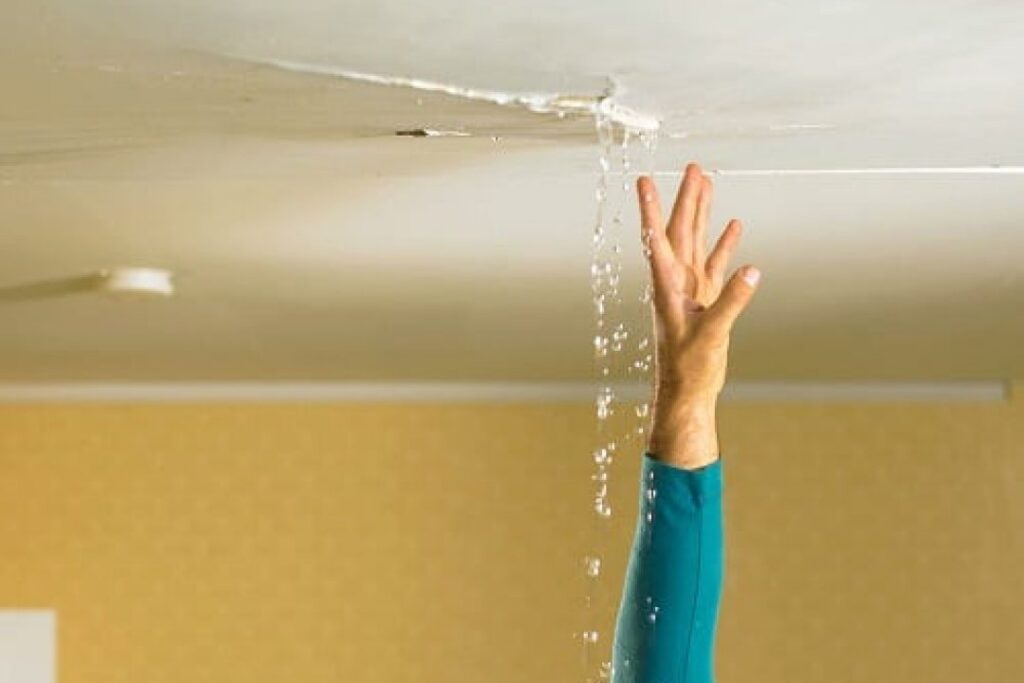
Brown, yellow, or dark stains on ceilings are among the most recognizable signs of a leaking roof. Fresh stains may feel damp, while older leaks can leave rings or discoloration behind.
Pay close attention to rooms beneath roof valleys, chimneys, vents, and areas where different roof sections meet.
2. Missing, Cracked, or Lifted Shingles
Strong winds can loosen or remove shingles, exposing the roofing layers underneath to rain.
From the ground, look for:
- Missing sections of shingles
- Shingles that appear curled or lifted
- Pieces of roofing material in the yard
- Visible gaps or uneven areas
- Damage around roof edges
Do not climb onto a wet or storm-damaged roof yourself. A roofing professional can safely perform a closer inspection.
3. Wet Insulation in the Attic
Your attic can reveal storm damage before water becomes visible inside living areas.
If it is safe to enter, inspect insulation and roof decking for dampness, dark spots, water droplets, or compressed insulation. Wet attic insulation may indicate a roof leak even when the ceiling below still appears dry.
4. Musty Odors After the Storm
A persistent musty smell in the attic or upper levels of your home can indicate trapped moisture.
Hidden roof leaks may wet insulation, wood framing, or drywall without immediately producing visible stains. If an odor develops after heavy rainfall, moisture detection may help identify areas that require drying.
5. Peeling Paint or Bubbling Drywall
Water entering from above can become trapped behind painted walls and ceilings.
Watch for paint that begins to bubble, blister, crack, or peel after a storm. Soft drywall, swollen trim, or sagging ceiling materials can also indicate more significant storm water damage.
How to Check for Roof Water Damage Step by Step
After severe weather passes, use a systematic approach to determine whether water may have entered your home.
Step 1: Inspect the Property From the Ground
Walk around the home and look at the roof without climbing onto it. Check for missing shingles, debris damage, damaged gutters, displaced flashing, or tree limbs resting on the roof.
Also look for roofing material on the ground, which can indicate wind or hail damage above.
Step 2: Check Ceilings and Exterior Walls
Inspect rooms on the upper floor first. Look around ceilings, corners, windows, fireplaces, and exterior walls for new stains, dampness, or changes in paint or drywall.
If you notice active dripping, place a container below the leak and move furniture or valuables away from the area.
Step 3: Inspect the Attic if It Is Safe
Use a flashlight to look for wet insulation, dark roof decking, moisture around penetrations, or signs of dripping.
Be cautious around electrical wiring and avoid stepping anywhere except on secure structural surfaces.
Step 4: Document Visible Damage
Take photographs of water stains, damaged materials, and visible exterior storm damage before cleanup begins.
Documentation can be helpful when communicating with roofing contractors, restoration professionals, or your insurance provider.
Step 5: Address Moisture Quickly
Stopping the roof leak is only part of the solution. Materials inside the home may remain wet even after the roof has been temporarily covered or repaired.
Professional water damage restoration can include moisture mapping, water extraction, structural drying, dehumidification, and monitoring to determine whether affected materials are drying properly.
Storm Damage vs. Normal Roof Wear
Some roof problems develop gradually, while others are directly related to severe weather.
| Sign | Possible Storm Damage | Possible Normal Wear |
|---|---|---|
| Missing shingles | Strong wind | Aging roofing materials |
| Dented shingles or flashing | Hail impact | Less common from normal wear |
| Sudden ceiling stain | Recent water intrusion | Long-term slow leak |
| Lifted shingles | Wind damage | Aging adhesive or installation issues |
| Wet attic after rainfall | Active roof leak | Existing roofing defect |
| Granules in gutters | Hail or storm impact | Normal shingle aging |
A professional inspection can help determine whether damage is recent and identify repairs needed to prevent additional water intrusion.
Why Summer Storms Matter in Kalispell, MT
Summer weather in Kalispell and the Flathead Valley can include thunderstorms, heavy rainfall, wind, and occasional hail. These conditions can expose weak areas of a roof or damage roofing materials that previously appeared secure.
The National Weather Service provides guidance and alerts related to severe thunderstorms, damaging winds, hail, and other hazardous weather. Homeowners can use NWS resources to monitor local storm conditions and know when severe weather may affect the area.
After significant storms, inspecting the roof and upper levels of the home can help catch storm damage before another round of rain causes a larger problem.
When Does a Roof Leak Require Water Damage Restoration?
A roofing contractor typically handles the damaged roof itself, but a restoration company may be needed when water has already entered the home.
Consider professional restoration when water has reached:
- Drywall or ceilings
- Attic insulation
- Wood framing or roof decking
- Flooring or wall cavities
- Electrical fixtures or nearby components
You should also seek help if you cannot determine how far the moisture has traveled. Professional moisture meters and other detection equipment can identify wet materials that are not obvious from visual inspection alone.
If roof water damage has affected your Kalispell, MT, home after a summer storm, contact PuroClean at (406) 890-6202. Our team can assess hidden moisture, dry affected materials, and restore damaged areas before the problem spreads further.
How Quickly Should Roof Water Damage Be Addressed?
Roof leaks should be addressed as soon as they are discovered. Water that remains inside insulation, drywall, wood, and other porous materials can continue damaging the structure even after visible dripping stops.
Prompt drying also helps reduce the conditions that can support mold growth. A small roof leak can therefore become a larger restoration project when moisture remains undetected or untreated.
Frequently Asked Questions
Q: How can I tell if my roof is leaking after a storm?
A: Look for new ceiling stains, wet attic insulation, peeling paint, dripping water, musty odors, missing shingles, or visible roof damage. Because water can travel before becoming visible, the location of the interior stain may not be directly below the roof damage.
Q: Can a roof leak happen without visible ceiling damage?
A: Yes. Water may initially remain inside insulation, attic materials, or wall cavities. Moisture detection can help identify hidden roof leak damage before staining or sagging becomes visible indoors.
Q: Should I climb on my roof to check for storm damage?
A: It is generally safer to inspect the roof from the ground and contact a roofing professional for a closer evaluation. Wet surfaces, loose shingles, structural damage, and storm debris can make roof access dangerous.
Q: Can hail cause a roof to leak immediately?
A: Hail can damage shingles, flashing, vents, and other roofing components. Some leaks appear during the same storm, while others develop later when damaged areas are exposed to additional rainfall.
Q: Who should I call if water came through my roof?
A: A roofing professional can identify and repair the source of the leak. If water has reached insulation, ceilings, walls, or other interior materials, PuroClean can assess the water damage and provide professional drying and restoration.
Key Takeaways
After a summer storm, checking your roof and interior spaces early can help limit the extent of roof water damage.
- Inspect the roof from the ground for missing, lifted, or damaged shingles.
- Look inside for water stains, peeling paint, damp insulation, and musty odors.
- Check the attic when it is safe to do so.
- Remember that water may travel away from the original roof leak.
- Document visible storm damage before repairs or cleanup.
- Have the roof source repaired and affected interior materials properly dried.
- Monitor National Weather Service alerts during Kalispell’s local storm season.