


Table of Contents
If you discover crawl space flooding after heavy rain, avoid entering the area until you know it is safe, stop additional water from entering if possible, and arrange for water removal and drying quickly. Standing water can damage insulation, wood framing, ductwork, and other materials while increasing moisture throughout your home.
For homeowners in Kalispell and the Flathead Valley, responding promptly is especially important when periods of rain or snowmelt leave the surrounding soil saturated.
What Is Crawl Space Flooding?
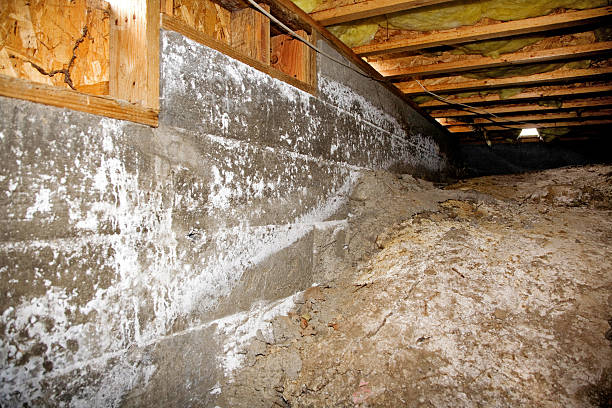
Crawl space flooding occurs when water collects beneath a home instead of draining away from the foundation. Water may enter through foundation openings, cracks, groundwater seepage, drainage problems, plumbing failures, or runoff around the property.
Even a relatively small amount of water can create crawl space moisture problems because these areas often have limited airflow. If materials stay wet, moisture can spread into insulation, floor joists, subflooring, and other parts of the building.
What Should You Do When Your Crawl Space Floods?
The first priority is safety, followed by stopping the water source and removing moisture before additional damage occurs.
1. Do Not Enter a Flooded Crawl Space Immediately
Standing water can create electrical hazards, particularly if wiring, outlets, HVAC equipment, or other electrical components are located in the crawl space.
Avoid entering until you are confident the area is safe. If electrical equipment may have contacted water, contact an appropriate professional before attempting cleanup.
2. Determine Where the Water Is Coming From
Heavy rain does not always mean rainwater itself is entering the crawl space. The underlying cause could involve drainage, groundwater, plumbing, or a combination of factors.
Check for obvious problems around the exterior of your home, including clogged gutters, disconnected downspouts, standing water near the foundation, damaged drainage systems, or soil that slopes toward the house.
3. Stop Additional Water From Entering
If possible, correct the immediate source before beginning extensive cleanup.
Depending on the cause, this might involve:
- Clearing blocked gutters or downspouts
- Redirecting downspout discharge away from the foundation
- Stopping a plumbing leak
- Addressing a failed sump pump
- Creating temporary drainage away from the home
These measures may limit additional water intrusion in the crawl space while a permanent solution is being evaluated.
4. Remove Standing Water
Once the area is safe and the water source is controlled, standing water should be removed promptly.
Small amounts may sometimes be manageable with appropriate water extraction equipment. Larger floods, contaminated water, or situations where water has remained for an extended period are better handled by professional restoration technicians.
5. Dry the Crawl Space Completely
Removing visible water is not enough. Wood framing, insulation, soil, and other materials may retain significant moisture after standing water disappears.
Professional drying may involve water extraction, air movement, dehumidification, and moisture measurements. The goal is to bring affected materials back toward appropriate moisture levels rather than simply making the area look dry.
6. Inspect for Damaged Materials
After a flooded crawl space is dried, affected materials should be evaluated.
Pay particular attention to:
- Wet or sagging insulation
- Damaged vapor barriers
- Swollen or deteriorated wood
- Wet ductwork or HVAC components
- Persistent odors
- Visible microbial growth
- Damaged electrical components
Some materials can be dried and retained, while others may require removal or replacement depending on the extent and duration of exposure.
Where Does Crawl Space Water Usually Come From?
Identifying the source is important because cleanup alone will not prevent the problem from returning.
| Possible Water Source | Common Warning Sign | Recommended Action |
|---|---|---|
| Poor exterior drainage | Water collecting near foundation | Improve drainage and redirect runoff |
| Clogged gutters | Overflow near the home’s perimeter | Clean gutters and check downspouts |
| Groundwater | Water entering through floor or foundation | Evaluate drainage or sump system |
| Foundation cracks | Water appearing along walls | Have cracks and drainage evaluated |
| Plumbing leak | Water appears regardless of weather | Locate and repair plumbing source |
| Sump pump failure | Water builds up during storms | Inspect, repair, or replace pump |
Understanding whether the water comes from rainfall, groundwater, or plumbing helps determine what repairs are necessary after the crawl space water damage is addressed.
Why Crawl Space Flooding Matters in the Flathead Valley
Homes in Kalispell and across the Flathead Valley experience changing seasonal conditions that can affect moisture around foundations. Heavy rain, melting snow, saturated soil, and changing groundwater conditions may all contribute to water collecting around or beneath a home.
Properties with low-lying areas, inadequate drainage, older foundation systems, or downspouts that release water close to the house may be more vulnerable.
Homeowners should inspect their crawl spaces after significant storms or seasonal snowmelt, especially if the property has experienced moisture problems before.
Can a Flooded Crawl Space Cause Mold?
Yes. Persistent crawl space moisture can create conditions that support mold growth on wood, insulation, paper-backed materials, and other organic surfaces.
The key is not simply removing standing water but controlling the moisture left behind. According to general moisture-control guidance from the U.S. Environmental Protection Agency, wet materials should be dried as quickly as practical to reduce the potential for mold growth.
If you notice musty odors or visible growth after a flood, avoid disturbing affected materials until the situation has been properly evaluated.
When Should You Call a Professional?
Minor moisture may sometimes be manageable if the source is obvious and the area can be dried quickly. Professional help becomes more important when water is extensive, has reached building materials, or has remained for an unknown period.
Consider contacting a restoration company when:
- Several inches of water are present.
- Insulation or structural materials are saturated.
- You cannot determine how far moisture has spread.
- The crawl space has a persistent musty smell.
- Water may contain sewage or other contaminants.
- Flooding keeps returning after heavy rain.
- Electrical or HVAC equipment has been exposed to water.
Professional crawl space water removal also provides the benefit of moisture monitoring, helping identify water that may remain inside materials after visible water has been extracted.
If heavy rain has caused a flooded crawl space or other water damage in your Kalispell, MT, home, contact PuroClean at (406) 890-6202. Our team can assess the affected area, remove water, dry wet materials, and help restore your property before the damage becomes more extensive.
How Can You Help Prevent Crawl Space Flooding?
After cleanup, correcting the underlying moisture problem is the best way to reduce the risk of another flood.
Start by inspecting the way water moves around your property. Gutters should drain properly, downspouts should discharge away from the foundation, and the surrounding grade should generally direct runoff away from the home.
Depending on the property, additional solutions may include foundation repairs, improved drainage, sump pump installation or maintenance, vapor barriers, or crawl space moisture control.
Frequently Asked Questions
Q: How much water in a crawl space is considered a problem?
A: Any recurring standing water should be investigated. Even shallow water can raise humidity and affect insulation, wood, and other materials if the crawl space remains wet for an extended period.
Q: Can I pump water out of my crawl space myself?
A: Small amounts of clean water may sometimes be manageable if there are no electrical or structural hazards. Large amounts of water, contaminated water, or extensive crawl space flooding should generally be handled professionally so the area can also be properly dried and inspected.
Q: How long does it take to dry a flooded crawl space?
A: Drying time depends on the amount of water, the materials affected, ventilation, humidity, and how long the area was wet. Professional moisture measurements are more reliable than estimating dryness based only on appearance.
Q: Why does my crawl space flood every time it rains?
A: Repeated flooding often indicates a drainage, grading, groundwater, gutter, foundation, or sump pump problem. Water removal may solve the immediate issue, but the underlying cause should also be corrected.
Q: Can crawl space flooding damage the rest of my home?
A: Yes. Excess moisture beneath a home can affect floor framing, insulation, subflooring, ductwork, and indoor humidity. Addressing the source and drying the crawl space promptly can help limit additional damage.
Key Takeaways
If you discover crawl space flooding after heavy rain, focus first on safety and stopping additional water from entering. Then make sure the entire affected area is properly dried rather than simply removing visible standing water.
- Avoid entering a flooded crawl space when electrical hazards may be present.
- Find and control the source of water before beginning major cleanup.
- Remove standing water and dry affected materials promptly.
- Inspect insulation, framing, vapor barriers, and HVAC components for damage.
- Check crawl spaces after heavy rain and seasonal snowmelt in the Flathead Valley.
- Correct drainage or foundation problems if flooding happens repeatedly.
- Use professional water damage restoration when moisture is extensive or difficult to locate.