


Table of Contents
The best way to protect hardwood floors from water damage is to remove moisture quickly, prevent standing water, control indoor humidity, and maintain the floor’s protective finish. Hardwood can absorb water through seams, cracks, and worn sealant, which may lead to swelling, cupping, staining, mold, or permanent damage. If your floors are soaked after a leak or flood, fast professional drying is the safest next step.
Why Water Damages Hardwood Floors
Hardwood floor water damage happens when moisture enters the wood and changes its shape, structure, or surface finish. Wood is porous, which means it naturally absorbs and releases moisture depending on the environment.
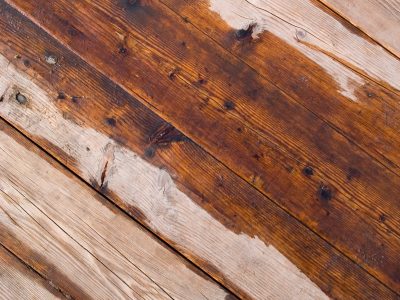
When hardwood absorbs too much water, the boards may expand. This can cause cupping, buckling, warping, discoloration, or gaps between boards after drying. In more serious cases, moisture can spread beneath the flooring and affect the subfloor, creating a hidden mold or structural concern.
Water damage can come from sudden events, such as burst pipes or flooding, but it can also happen slowly from small spills, wet shoes, poor cleaning habits, plumbing leaks, or high indoor humidity.
How to Protect Hardwood Floors From Water Damage
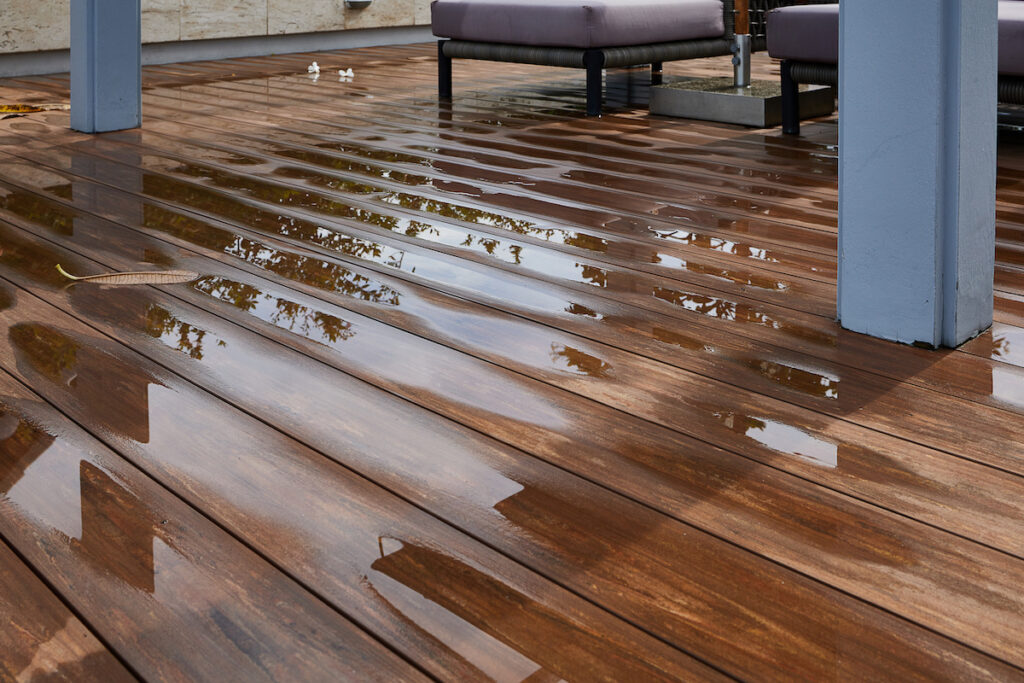
To protect hardwood floors from water damage, focus on prevention, quick cleanup, and routine maintenance. The goal is to keep water from sitting on the surface long enough to absorb into the wood.
Clean Up Spills Immediately
Spills should be wiped up as soon as they happen. Even small amounts of liquid can enter the seams between boards if they sit too long.
Use a soft, dry cloth or towel to absorb the spill instead of spreading it across the floor. After the visible liquid is removed, check the area for dampness, especially along seams, edges, and under nearby furniture. This simple habit is one of the most effective ways to prevent water damage on hardwood floors.
Remove Wet Items From the Floor
Wet rugs, shoes, towels, clothing, pet beds, boxes, and appliances should not sit directly on hardwood flooring. These items can trap moisture against the wood and create damage that is not visible until staining, swelling, or odor appears.
If you have an exterior door that opens into a room with hardwood flooring, place a durable rug or mat near the entrance. This helps collect rainwater, snow, mud, and moisture before they reach the floor. Check the rug regularly, because a soaked rug can become part of the problem if it stays wet underneath.
Use the Right Cleaning Method
Hardwood floors should never be cleaned with a soaking wet mop. Too much water during cleaning can settle into seams and cause long-term moisture problems.
Use a cleaning product made specifically for hardwood floors and follow the product instructions carefully. The mop or cloth should be damp, not wet. After cleaning, the surface should dry quickly without leaving puddles, streaks, or wet spots.
Steam mops are also risky for many hardwood floors because heat and moisture can affect the finish and push vapor into the wood. When in doubt, follow the flooring manufacturer’s care instructions.
Control Humidity Inside the Home
Indoor humidity plays a major role in protecting hardwood floors. When the air is too humid, hardwood may absorb moisture and expand. When the air is too dry, wood can shrink and create gaps.
A balanced indoor environment helps protect hardwood floors from moisture throughout the year. In summer, air conditioning or a dehumidifier can help reduce excess moisture. In winter, a humidifier may help prevent the air from becoming too dry.
If hardwood floors begin to cup, gap, squeak, or change shape seasonally, humidity may be part of the issue. Monitoring indoor humidity can help you catch problems before they become expensive repairs.
Inspect Plumbing and Appliances Near Hardwood Floors
Small leaks can cause major flooring damage when they go unnoticed. Check sinks, dishwashers, refrigerators, washing machines, toilets, and water supply lines near hardwood floors.
Look for dampness, staining, musty odors, soft spots, or changes in the floor finish. A slow leak may not create visible standing water, but it can still allow moisture to spread beneath the flooring. Fixing leaks early is one of the best ways to avoid hardwood floor water damage and subfloor damage.
Maintain the Floor’s Protective Sealant
Sealant helps protect hardwood flooring by creating a barrier between the wood and surface moisture. Over time, that barrier can wear down from foot traffic, cleaning, furniture movement, and daily use.
Wax sealants may need more frequent maintenance, while polyurethane finishes usually last longer. However, no finish lasts forever. If water no longer beads on the surface or the floor looks dull, scratched, or worn, it may be time to have the finish evaluated.
Maintaining the finish does not make hardwood waterproof, but it gives you more time to clean up spills before moisture enters the wood.
Hardwood Floor Water Damage Prevention Table
| Risk | Why It Damages Hardwood | Prevention Tip |
|---|---|---|
| Standing water | Water can seep into seams and swell the boards | Wipe spills immediately and dry the area fully |
| Wet rugs or mats | Moisture becomes trapped against the floor | Shake out, wash, or dry rugs regularly |
| High humidity | Wood absorbs moisture from the air and expands | Use air conditioning or a dehumidifier as needed |
| Low humidity | Wood dries out and may shrink or gap | Use a humidifier during dry seasons |
| Plumbing leaks | Water can spread beneath the floor | Inspect pipes, appliances, and fixtures regularly |
| Worn finish | The surface has less protection from moisture | Refinish or reseal when the protective layer wears down |
What to Do If Hardwood Floors Get Wet
If you have wet hardwood floors, act quickly. Remove standing water, move wet items off the floor, and increase air circulation if it is safe to do so. Avoid using high heat directly on the floor, because rapid drying can sometimes worsen cracking or warping.
For minor spills, drying the surface may be enough. For larger leaks, appliance failures, or flooded hardwood floors, professional moisture detection is important. Water can travel beneath the boards and remain trapped even when the surface looks dry.
PuroClean uses professional drying equipment and moisture monitoring to help reduce hidden water damage and determine whether the flooring can be restored.
Can Hardwood Floors Be Saved After Water Damage?
Hardwood floors can sometimes be saved after water damage, but it depends on how long the water sat, how much moisture entered the wood, and whether the subfloor was affected. Quick drying improves the chance of recovery.
Floors with mild cupping may improve after proper drying, but severe buckling, black staining, mold, or softened materials may require repair or replacement. A professional inspection can determine whether hardwood floor restoration is possible.
FAQs About Hardwood Floor Water Damage
How do I protect hardwood floors from water damage?
Clean spills immediately, remove wet items from the floor, use rugs near exterior doors, control indoor humidity, and keep the floor’s finish in good condition. You should also inspect nearby plumbing and appliances for leaks.
What happens if water sits on hardwood floors?
Water can soak into the seams and cause swelling, cupping, buckling, staining, or mold growth. The longer the water sits, the higher the risk of permanent damage.
Can wet hardwood floors dry on their own?
Small surface spills may dry without damage if cleaned quickly. However, larger water exposure can leave moisture trapped under the boards or in the subfloor. Professional drying is recommended after flooding, leaks, or standing water.
How can I tell if hardwood floor water damage is serious?
Warning signs include cupping, warping, buckling, dark stains, musty odors, soft spots, or visible mold. If these signs appear, the damage may extend below the surface.
When should I call a water damage restoration company?
Call a restoration company if hardwood floors are soaked, water has spread under the flooring, or the floor shows signs of warping, staining, or odor. Fast action can improve the chances of saving the flooring.
Call PuroClean of Lafayette for Water Damage Restoration
Knowing how to protect hardwood floors from water damage can help prevent expensive repairs, but water emergencies can still happen. If your hardwood floors are wet after a leak, flood, or appliance failure, timing matters.
For professional water damage restoration Lafayette IN, call PuroClean of Lafayette at (765) 701-4242. Our licensed and certified technicians respond quickly to contain the damage, dry affected areas, and help protect your home from further problems.
Key Takeaways
- Hardwood floors can absorb moisture through seams, cracks, and worn finish.
- The best way to protect hardwood floors from water damage is to clean spills quickly and prevent standing water.
- Wet rugs, shoes, towels, and appliances should be removed from hardwood floors as soon as possible.
- Indoor humidity control helps reduce seasonal swelling, shrinking, and gaps.
- Plumbing leaks near hardwood flooring should be repaired quickly to prevent hidden damage.
- Severe hardwood floor water damage may require professional drying and moisture detection.
- For water damage restoration Lafayette IN, contact PuroClean of Lafayette at (765) 701-4242.