


Table of Contents
PuroClean of Lafayette recently brought local insurance agents together for two Continuing Education (CE) courses focused on fire damage and biohazard remediation. Held at The Stables Event Center in Lafayette, Indiana, the event combined professional education with practical property restoration training to help insurance professionals better understand what happens after residential or commercial property damage.
The Cinco de Mayo-themed event featured two sessions led by property damage restoration instructor Becky Edgren: Fire Damage in the morning and Basics in Biohazard Remediation in the afternoon.
Continuing Education for Lafayette Insurance Agents
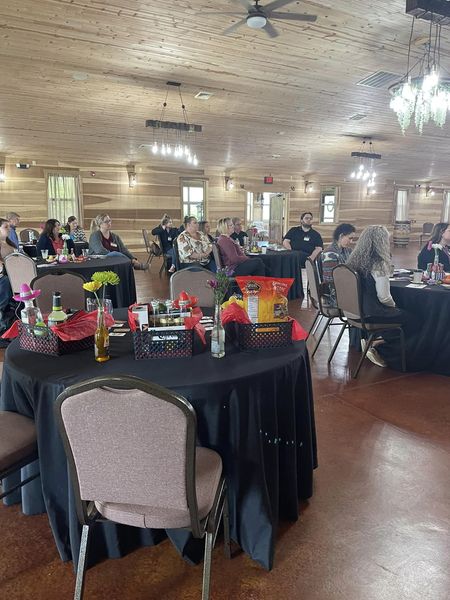
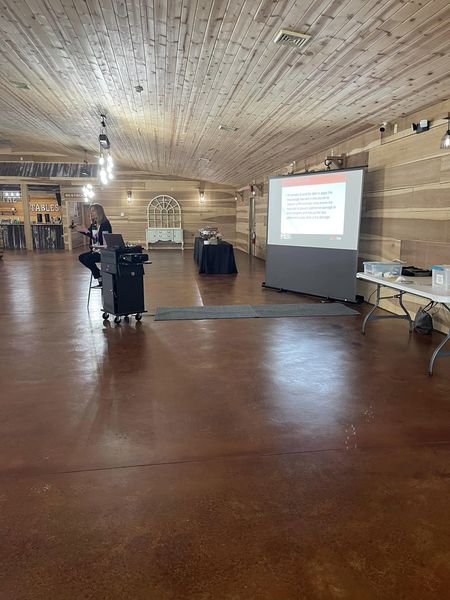
Continuing Education courses help insurance professionals maintain and expand their industry knowledge while learning about issues they may encounter when assisting policyholders.
For insurance agents who regularly handle property claims, education in property damage restoration can provide useful context about how restoration companies assess losses, protect affected properties, and help customers move through the recovery process.
The Lafayette event focused on two very different types of property loss:
| CE Course | Primary Focus | Why It Matters |
|---|---|---|
| Fire Damage | Fire, smoke, soot, damage assessment, and restoration | Helps agents better understand the restoration process following a fire |
| Basics in Biohazard Remediation | Cleaning, sanitizing, PPE, and contaminant removal | Provides insight into the specialized procedures required for biohazard situations |
Both courses gave attendees an opportunity to connect insurance concepts with the practical realities restoration professionals encounter in the field.
What Insurance Agents Learned About Fire Damage Restoration
The morning Fire Damage course covered the fundamentals of responding to a fire-related property loss.
Understanding Different Types of Fire Damage
Not every fire produces the same type of damage. The materials that burn, the temperature of the fire, and the extent of smoke movement can influence how a property must be cleaned and restored.
The course discussed topics including:
- Different types of fires and the damage they can produce
- How smoke and soot can affect areas beyond the immediate fire
- Assessing the extent of property damage
- Coordination between restoration professionals and insurance companies
- The importance of prompt communication and customer service
This type of fire damage restoration training can help insurance professionals better understand why two seemingly similar losses may require different restoration strategies.
Biohazard Remediation Requires Specialized Procedures
During the afternoon session, attendees learned about the fundamentals of biohazard remediation in residential and commercial properties.
Biohazard remediation is the process of safely cleaning, sanitizing, and removing materials affected by potentially hazardous biological contaminants. These situations require more than ordinary cleaning because technicians may encounter substances that create health and safety risks.
The course reviewed important considerations such as appropriate cleaning practices, contaminant removal, sanitization, and the use of specialized personal protective equipment (PPE).
The Occupational Safety and Health Administration (OSHA) provides guidance on personal protective equipment and occupational exposure to potentially hazardous materials. This makes OSHA a useful authority to reference when discussing why proper PPE and safety procedures are essential during certain remediation projects.
Why Property Restoration Training Matters for Insurance Professionals
When a policyholder experiences water, fire, mold, or biohazard damage, insurance professionals and restoration companies often become part of the same recovery process.
Understanding restoration procedures can help agents better explain what customers may experience after filing a property damage claim.
A typical restoration process may involve:
- Initial damage assessment. Restoration professionals inspect the affected property and determine the extent of visible and hidden damage.
- Emergency mitigation. Immediate steps may be taken to prevent additional damage, such as extracting water, securing openings, or containing affected areas.
- Cleaning and restoration. Technicians use procedures appropriate to the type of loss, including structural drying, smoke and soot cleaning, sanitization, or removal of contaminated materials.
- Documentation and communication. Restoration companies document affected areas and completed work while communicating with property owners and, when appropriate, insurance representatives.
- Final restoration. The goal is to return the property as closely as possible to its pre-loss condition.
Industry organizations such as the Institute of Inspection, Cleaning and Restoration Certification (IICRC) develop standards and training resources for professional restoration work, making the organization another useful external authority to reference in content about property damage restoration.
Combining Professional Education With Local Networking
The Lafayette event also gave attendees an opportunity to connect with other local professionals.
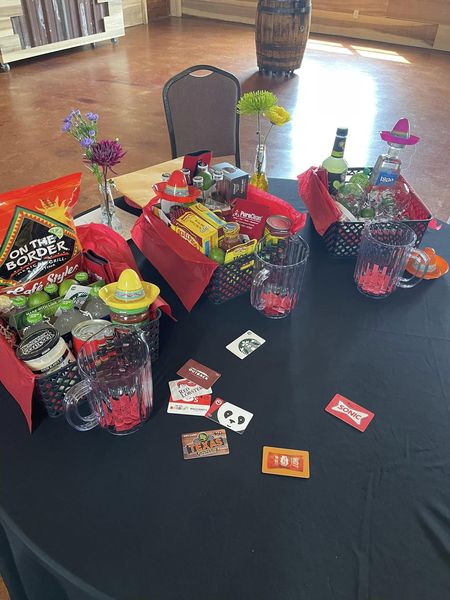
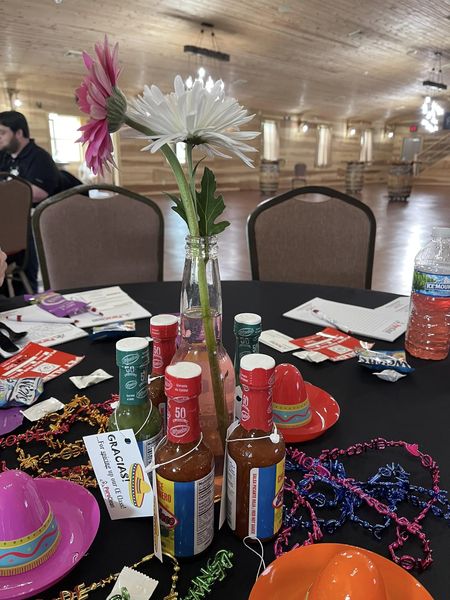
PuroClean’s vendor partner, CRDN of Northern Indiana, and The Stables Event Center supported the Cinco de Mayo theme by providing breakfast and a taco-bar lunch for attendees.
Gift baskets were also awarded during the event. Winners included Paige Zollman of Conrad Agency, Mike Shelton of Mike Shelton State Farm, and Jennifer Wallace of EPIC Insurance Brokers.
Events like these allow local restoration and insurance professionals to build working relationships before an emergency occurs, while also giving attendees access to practical industry education.
Frequently Asked Questions
Q: Why should insurance agents learn about property damage restoration?
A: Understanding restoration procedures can help insurance agents better understand what policyholders experience after a property loss. Training may cover damage assessment, mitigation, cleaning procedures, documentation, safety, and communication during the restoration process.
Q: What is continuing education for insurance agents?
A: Continuing Education, often called CE, consists of professional courses that help licensed insurance professionals maintain and expand their knowledge. Specific CE requirements vary by state and insurance license type.
Q: What does fire damage restoration include?
A: Fire restoration can involve evaluating structural damage, removing smoke and soot residues, controlling odors, cleaning affected materials, and addressing water damage caused by firefighting efforts. The exact process depends on the type and severity of the loss.
Q: What is biohazard remediation?
A: Biohazard remediation involves cleaning, sanitizing, and safely handling areas affected by potentially hazardous biological materials. Trained professionals may use specialized cleaning methods, containment procedures, and PPE depending on the situation.
Q: How can insurance agents work with property restoration companies after a loss?
A: Insurance agents can help policyholders by encouraging prompt damage reporting and connecting them with qualified restoration professionals when needed. Clear communication between the property owner, insurance representative, and restoration company can help keep the recovery process organized and well documented.
Partner With PuroClean of Lafayette
PuroClean of Lafayette values strong relationships with insurance agents and other professionals who help property owners recover after unexpected damage. Continuing education events provide an opportunity to share practical knowledge about restoration while strengthening connections within the Lafayette business community.
When a home or business experiences water, fire, mold, or biohazard damage, PuroClean provides professional property damage restoration services backed by trained technicians and proven restoration practices.
For restoration assistance or information about future educational opportunities, contact PuroClean of Lafayette at (765) 701-4242.
Key Takeaways
- PuroClean of Lafayette hosted two Continuing Education courses for local insurance agents.
- The sessions focused on fire damage and biohazard remediation.
- Attendees received practical property restoration training related to real-world property losses.
- Fire restoration education covered smoke, soot, damage assessment, and customer response.
- Biohazard education addressed cleaning, sanitization, contaminant removal, and PPE.
- OSHA and the IICRC are strong external authorities to reference for safety and restoration best practices.
- Insurance agents can visit PuroClean of Lafayette’s events page for future educational opportunities.
Explore more helpful articles: