


Table of Contents
A powerful tornado can damage a home in minutes, but complete home restoration may take months of assessment, mitigation, demolition, reconstruction, and coordination. After a tornado struck a Benton County home in March 2023, PuroClean helped begin a five-month recovery process that included water damage mitigation, contents restoration, structural evaluation, and preparation for a nearly complete rebuild.
The project demonstrates what can happen when restoration specialists, construction professionals, and local contractors work together after severe storm damage.
A Tornado Causes Extensive Damage in Benton County
On March 31, 2023, severe weather moved through Benton County, Indiana. A tornado touched down northwest of Oxford and traveled through the surrounding rural area with estimated peak winds of approximately 115 mph.
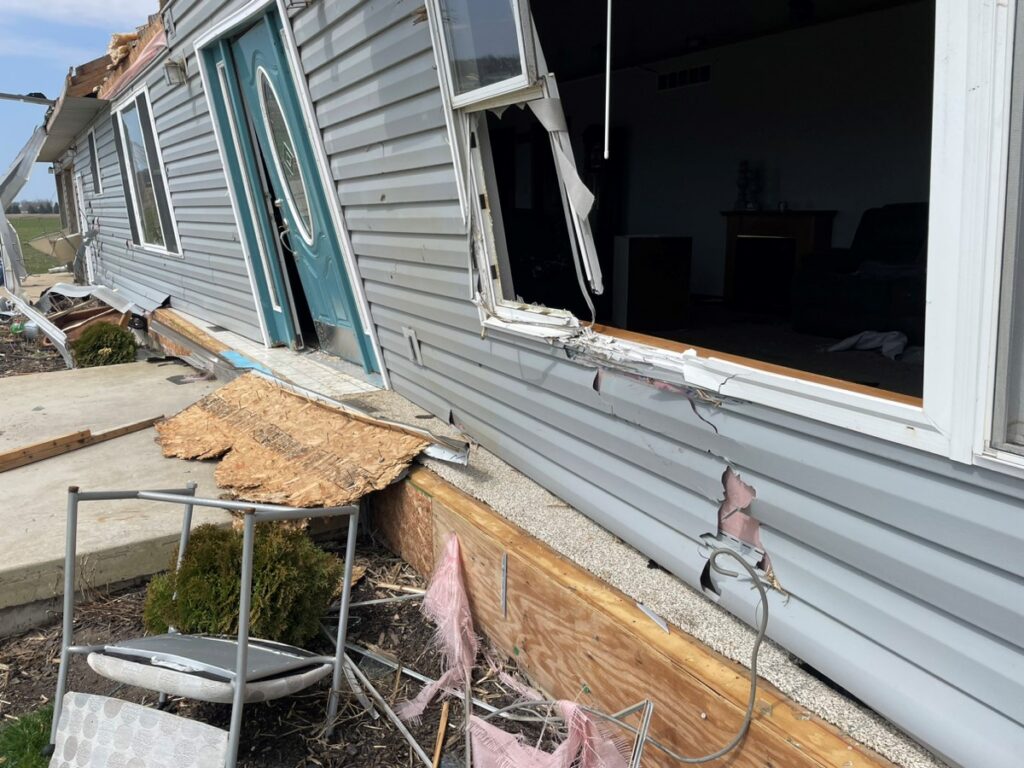
The family’s home was directly in the storm’s path and sustained significant damage to the roof, garage, drywall, and structural components.
Tornado damage can create several problems at once. Depending on the property, restoration professionals may need to address:
- Water intrusion caused by damaged roofing, windows, or exterior walls that allow rain into the structure.
- Structural damage affecting walls, roofing systems, framing, doors, and other building components.
- Contents damage involving furniture, electronics, clothing, and other personal belongings exposed to water or debris.
- Hazardous conditions that may require specialized cleaning or even emergency biohazard cleanup services when contamination is present.
Because storm losses can involve multiple types of damage, the first priority is determining what can safely remain and what must be removed.


The tornado caused heavy damage in several areas of the home, including the roof, garage, and load-bearing walls.
How the Home Restoration Process Began
Home restoration is the process of stabilizing, cleaning, drying, repairing, and rebuilding a damaged property with the goal of returning it as close as possible to its pre-loss condition.
For this Benton County property, PuroClean began with an assessment of the damage before moving into mitigation and contents restoration.
1. Assessing Moisture and Structural Damage
Our team used infrared cameras and professional moisture-detection methods to help identify areas affected by water intrusion.
These inspections helped determine which materials might be salvageable and which required removal. Identifying hidden moisture was especially important because water can travel behind drywall, beneath flooring, and into other areas that may not appear wet from the surface.
2. Protecting and Restoring Personal Belongings
The project also required a pack-out of salvageable belongings.
Items were transported to an off-site facility where they could be evaluated, cleaned, deodorized, and restored when possible. Removing belongings also gave restoration crews better access to damaged parts of the property.
3. Removing Standing Water and Drying the Property
After debris and contents were removed, our team extracted standing water and began the structural drying process.
PuroClean’s IICRC-certified technicians conducted ongoing inspections to monitor moisture levels and drying progress. The Institute of Inspection, Cleaning and Restoration Certification (IICRC) develops recognized standards for professional water damage restoration, making it an important authority for industry restoration practices.
From Damage Mitigation to a Complete Rebuild
Not every severely damaged home can be repaired through drying and localized reconstruction alone.
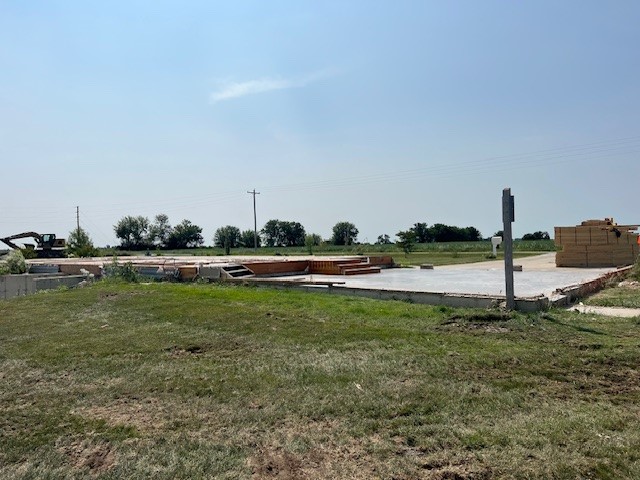
Nearly three months into the project, the extent of the damage led to the home being considered a total loss. However, parts of the original structure could still be preserved, including the foundation.
The project then transitioned from initial restoration and mitigation to demolition and reconstruction.
| Project Stage | Work Performed |
|---|---|
| Damage assessment | Moisture detection and evaluation of damaged materials |
| Mitigation | Water extraction, debris removal, and structural drying |
| Contents restoration | Pack-out, cleaning, deodorization, and restoration of salvageable belongings |
| Demolition | Removal of the severely damaged home while preserving usable components |
| Reconstruction | Framing, roofing, interior work, and rebuilding |
| Completion | Final restoration and return of the home to the family |
This transition illustrates why major disaster recovery often requires several specialized companies rather than a single contractor.

Local Contractors Helped Rebuild the Home
After PuroClean completed the necessary mitigation and prepared the property for construction, Poisel Construction demolished the damaged structure while preserving the foundation and flooring.
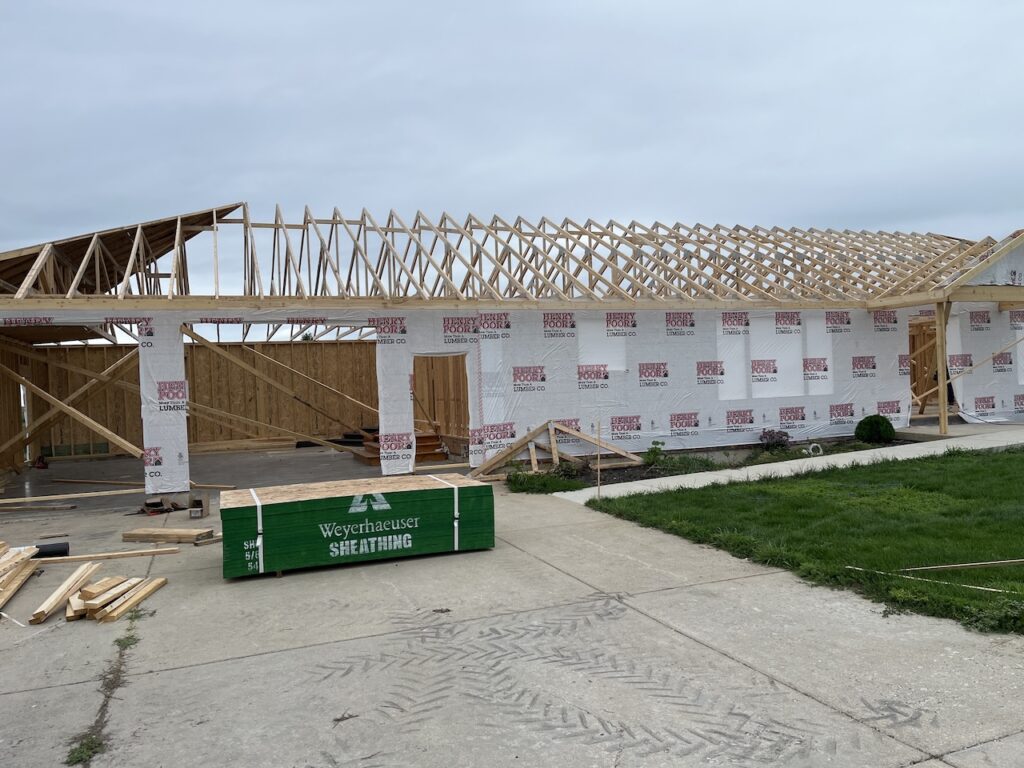
Michael Schwartz Construction handled framing, and Wilkinson Roofing completed roofing work. Several other local contractors and vendors contributed specialized services throughout the project, including:
- Lafayette Mechanical Services
- Henry Poor Lumber Company
- Flooring Express
- Nate’s Drywall
- Wilson Crane
- J&J Seamless Gutters
- Wilson Bros Construction
- Nattinger Overhead Doors
- CRDN Contents Restoration
Construction manager Chris Burton also coordinated major elements of the rebuild and helped keep the extensive project moving forward.
Five months after the restoration process began, and shortly before Christmas, the family was able to move back into their rebuilt home.
Why Professional Restoration Matters After a Tornado
Major tornado damage should not be treated as a standard home repair project. Damaged structures may contain unstable building materials, electrical hazards, contaminated water, broken glass, exposed nails, and other dangers.
The National Weather Service advises people to remain alert for hazards after a tornado and avoid damaged structures until they are considered safe. This makes professional assessment an important early step after a major storm.
For homeowners, the recovery process generally follows this order:
- Make sure the property is safe to enter. Stay clear of damaged electrical systems, unstable structures, and other immediate hazards.
- Document the damage. Take photographs and videos when it can be done safely and contact your insurance provider.
- Prevent additional damage. Emergency mitigation may include covering openings, extracting water, removing debris, or stabilizing affected areas.
- Assess what can be restored. Restoration professionals evaluate building materials and belongings to determine what can be cleaned, dried, or repaired.
- Begin reconstruction when necessary. Extensive structural damage may require demolition and rebuilding after mitigation has been completed.
Frequently Asked Questions
Q: How long does home restoration take after a tornado?
A: The timeline depends on the extent of structural, water, and contents damage. Minor repairs may take weeks, while extensive losses requiring demolition and reconstruction can take several months, as this five-month Benton County project demonstrates.
Q: What should homeowners do first after tornado damage?
A: Safety should come first. Avoid unstable structures, fallen power lines, standing water near electrical sources, and other hazards, then document the damage and contact your insurance provider and qualified restoration professionals.
Q: Can a house be restored after severe tornado damage?
A: Sometimes. Restoration professionals and contractors must determine whether structural components can safely be repaired or whether partial or complete reconstruction is necessary. Even when a house is considered a total loss, some components, such as the foundation, may sometimes be preserved.
Q: What types of damage can a tornado cause inside a home?
A: Tornadoes can cause structural damage, roof failure, broken windows, water intrusion, damaged contents, and debris contamination. Some properties may also require specialized cleaning or emergency biohazard cleanup services depending on the conditions created by the storm.
Home Restoration Help From PuroClean of Lafayette
Severe storm damage can require much more than a few repairs. This Benton County project showed how professional home restoration can progress from emergency assessment and water mitigation to contents recovery, demolition, and ultimately a complete rebuild.
If a tornado, severe storm, fire, or water emergency damages your property in Lafayette or the surrounding area, PuroClean can help assess the damage and begin the recovery process. Learn more about our property damage restoration services or contact PuroClean of Lafayette at (765) 701-4242 for assistance.
Key Takeaways
- A March 2023 tornado caused extensive damage to a Benton County family’s home.
- PuroClean began the restoration with moisture assessment, contents removal, water extraction, and structural drying.
- The extent of the damage ultimately required demolition and a major reconstruction project.
- The original foundation and some flooring were preserved during the rebuild.
- Multiple local contractors worked together during the five-month recovery.
- Professional assessment is important after tornadoes because structural, electrical, water, and contamination hazards may be present.
- The family was able to return to its rebuilt home shortly before Christmas.
Explore more helpful articles: