


Table of Contents
A sewer gas leak can turn your home from comfortable to hazardous in no time. These leaks release toxic gases like methane and hydrogen sulfide, creating foul odors and potential health risks. For Lafayette, IN homeowners—especially in older neighborhoods with aging plumbing systems—knowing how to detect, prevent, and fix a sewer gas leak is vital for safety and comfort.
This guide from PuroClean of Lafayette explains what sewer gas is, how it enters your home, and what steps you can take to stop it—plus when to call in professionals for safe cleanup and restoration.
Understanding Sewer Gas and Its Dangers
Sewer gas is a mixture of gases, including hydrogen sulfide, methane, and ammonia, produced by the decomposition of organic waste in the sewer system. When these gases enter your home, they can cause various problems, from foul odors to serious health risks. Prolonged exposure to sewer gas can lead to headaches, dizziness, respiratory issues, and even poisoning.
What Is Sewer Gas and Why Is It Dangerous?
Sewer gas is a mixture of gases produced by the breakdown of organic waste in sewer systems. The main components include:
- Methane (CH₄): A colorless, odorless gas that’s highly flammable and can become explosive in enclosed spaces. In large amounts, it can also displace oxygen and cause breathing difficulties.
- Hydrogen sulfide (H₂S): Recognized by its strong “rotten egg” smell, this gas is toxic even at low levels. It can cause headaches, dizziness, and respiratory irritation with prolonged exposure.
- Ammonia (NH₃): A sharp, pungent gas that irritates the eyes, skin, and lungs. High concentrations may lead to coughing, throat irritation, or chemical burns.
Even low concentrations can cause:
- Headaches and dizziness. Mild exposure to gases like hydrogen sulfide or methane can quickly lead to headaches, lightheadedness, or a feeling of disorientation. These symptoms often worsen the longer you remain indoors.
- Nausea and eye irritation. The strong odors and chemical compounds in sewer gas can trigger nausea, burning eyes, or watering, particularly in sensitive individuals.
- Fatigue or confusion after prolonged exposure. Breathing in sewer gas over time can reduce oxygen levels, leading to fatigue, difficulty concentrating, or general confusion — symptoms that typically improve once you leave the affected area.
In Lafayette homes, seasonal humidity and fluctuating groundwater can worsen these issues, allowing gases to seep through drains or cracked pipes more easily.
How Sewer Gas Enters Your Home
A sewer gas leak typically results from a problem in the plumbing or ventilation system. Common causes include:
- Dry or damaged plumbing traps – If water evaporates from an unused drain, the gas barrier breaks.
- Blocked or broken vent pipes – Prevent proper air pressure, forcing gases back into living areas.
- Cracked drain lines – Often hidden under floors or in crawl spaces, leaking gas into the structure.
- Improperly sealed cleanouts or floor drains – Allow gas to escape through small gaps.
In older Lafayette neighborhoods—like Downtown, Columbian Park, or Elmwood—aging cast-iron pipes are especially prone to leaks and corrosion.
How to Prevent a Sewer Gas Leak
1. Maintain Plumbing Traps
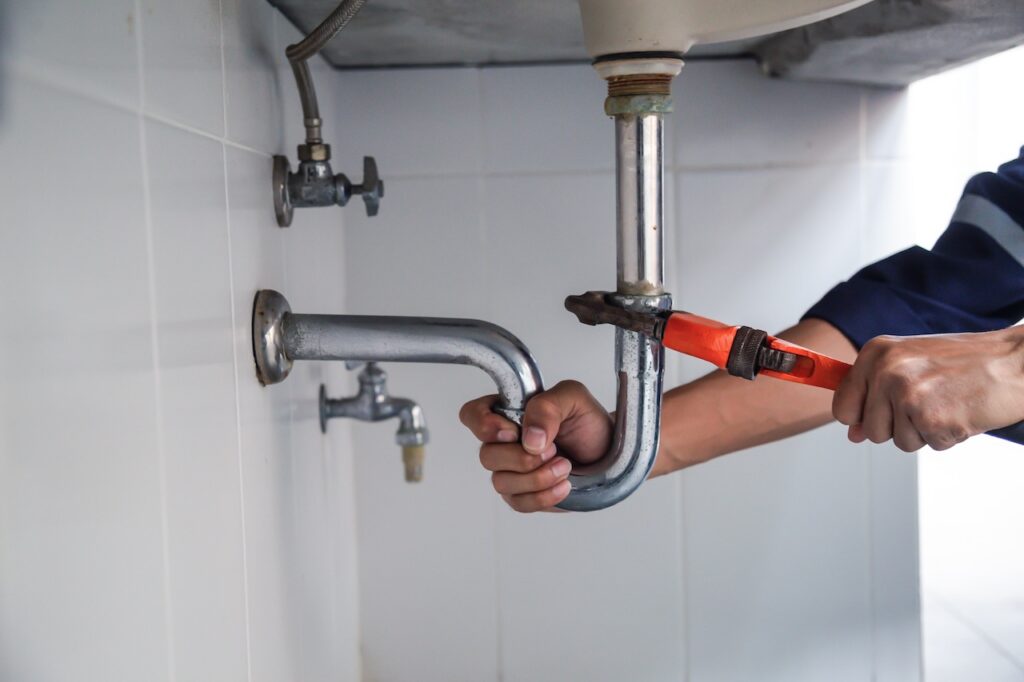
Plumbing traps (P-traps or S-traps) are curved sections of pipe designed to hold a small amount of water that blocks sewer gas from coming through the drain. Prevention tips:
- Run water weekly through unused drains such as basement sinks, floor drains, or guest bathrooms.
- Pour a cup of mineral oil into seldom-used drains—it evaporates slower than water and maintains the seal longer.
- Inspect for leaks around trap joints or connectors. Even minor drips can lower the water level and release gases.
2. Ensure Proper Ventilation

Plumbing vents regulate the air pressure in your home’s plumbing system.
Plumbing vents balance air pressure within your home’s drainage system. When blocked, air can’t move freely, and gases are pushed indoors. Maintenance checklist:
- Inspect roof vents at least twice a year. Remove debris, leaves, or nests that may block airflow.
- Install vent covers to prevent future blockages from birds or small animals.
- Call a professional plumber if you hear gurgling sounds or experience slow drainage—these can signal vent issues.
3. Keep Drains Clean and Flowing
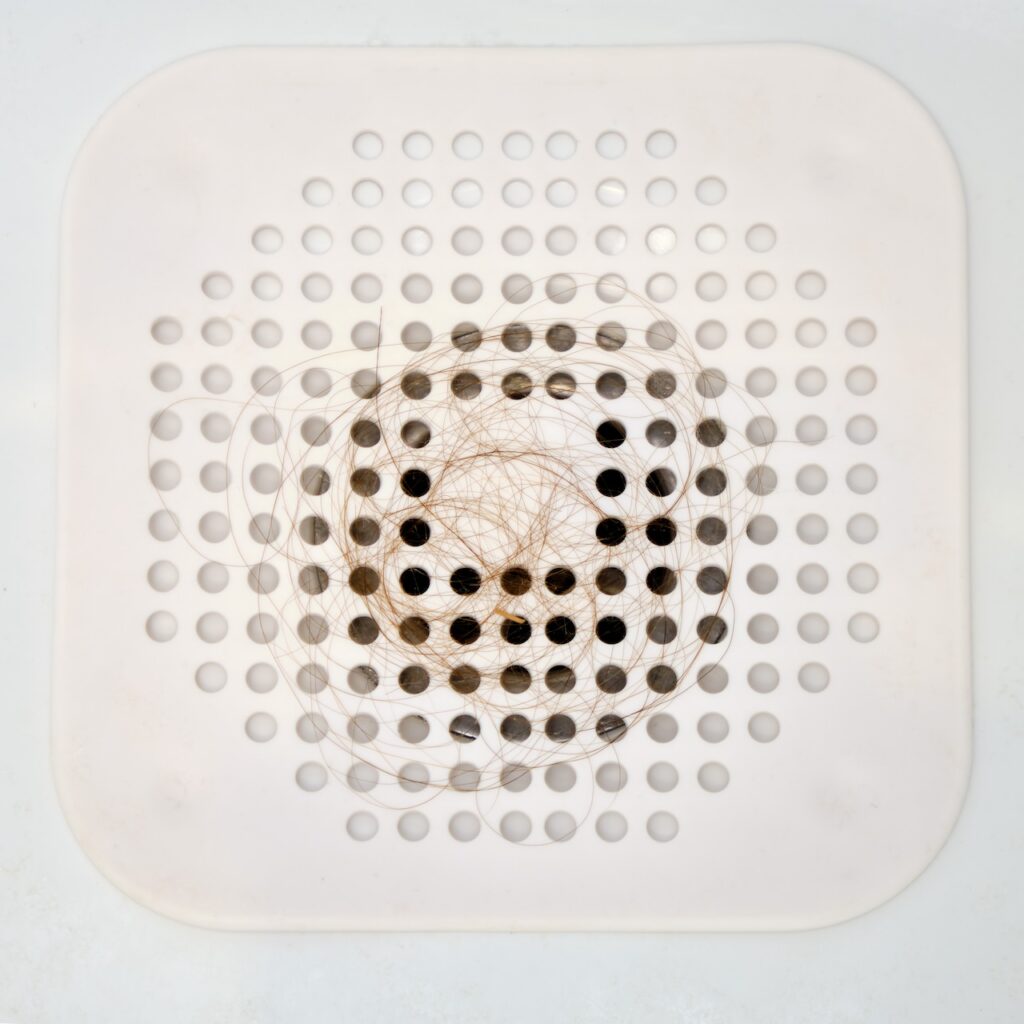
Taking good care of your drains will prevent most gas leaks from happening.
Clogged drains are one of the most common precursors to sewer gas problems. Regular maintenance can reduce the risk significantly. Home maintenance steps:
- Avoid pouring grease, coffee grounds, or food scraps down the sink.
- Use drain strainers in kitchens and showers to catch debris and hair.
- Clean drains naturally by pouring ½ cup baking soda followed by 1 cup vinegar, then flush with hot water after 10 minutes.
| Drain Maintenance Task | Frequency | Benefit |
|---|---|---|
| Run water in unused drains | Weekly | Keeps trap seals intact |
| Clean with baking soda & vinegar | Monthly | Removes buildup |
| Inspect vent pipes | Semi-annually | Prevents gas backup |
| Professional inspection | Annually | Detects hidden leaks |
How to Tell If You Have a Sewer Gas Leak
Recognizing a sewer gas leak early can prevent serious health problems and costly repairs. Look for these telltale signs:
- Persistent “rotten egg” odor. A strong sulfur-like smell, especially from drains or basements, often signals hydrogen sulfide escaping through dry traps or cracked pipes. The odor may come and go but tends to worsen in humid conditions or unused areas.
- Slow drainage or gurgling sounds. If toilets bubble or sinks drain slowly, your plumbing vent may be blocked. This pressure imbalance allows sewer gas to flow back into your home instead of out through the vent system.
- Moisture or damp spots around floor drains. Condensation or small puddles near drains can indicate a leaking or unsealed connection. Left untreated, this moisture can lead to mold growth and worsening odors.
- Headaches, dizziness, or nausea indoors. Feeling unwell inside but better once outside could mean low-level sewer gas exposure. Don’t ignore these symptoms — call for a professional inspection immediately.
If you suspect a leak, ventilate the area immediately by opening windows and avoid using electrical switches (methane is flammable). Then, call a certified restoration company like PuroClean of Lafayette for inspection and remediation.
Contact Us: Keep Sewer Gas Out and Your Home Safe
A sewer gas leak isn’t just unpleasant—it’s a health and safety concern that demands prompt attention. Regular plumbing maintenance, proper ventilation, and early detection can prevent most issues before they escalate.
If you notice a persistent odor or suspect a leak, don’t wait. Contact PuroClean of Lafayette at (765) 701-4242 for professional inspection and restoration. Our team serves Lafayette, West Lafayette, Dayton, and nearby Indiana communities, helping homeowners breathe cleaner, safer air.
FAQs About Sewer Gas Leaks
Q1: Is sewer gas dangerous to breathe?
Yes. Hydrogen sulfide and methane can cause headaches, dizziness, and nausea, and in high levels, can be toxic or explosive.
Q2: How do I test for sewer gas at home?
You can use a hydrogen sulfide detector or call professionals for an air quality test. DIY kits exist but may not detect hidden leaks accurately.
Q3: Will cleaning drains remove the smell permanently?
Only if the smell is due to minor buildup. Persistent odors indicate a deeper issue such as cracked pipes or dry traps.
Q4: How often should plumbing systems be inspected?
At least once a year, especially in older Lafayette homes with cast-iron or clay pipes.
Q5: Can I seal a drain temporarily?
Yes, covering unused drains with duct tape or plastic wrap is a short-term fix—but it doesn’t address the root cause.
Summary
- Sewer gas leaks are caused by dry traps, cracked pipes, or blocked vents.
- Symptoms include foul odors, headaches, and slow drains.
- Maintain traps, clean drains, and inspect vents regularly.
- For serious leaks or sewage backups, call PuroClean of Lafayette for certified cleanup and odor removal.
Read more about this topic: