


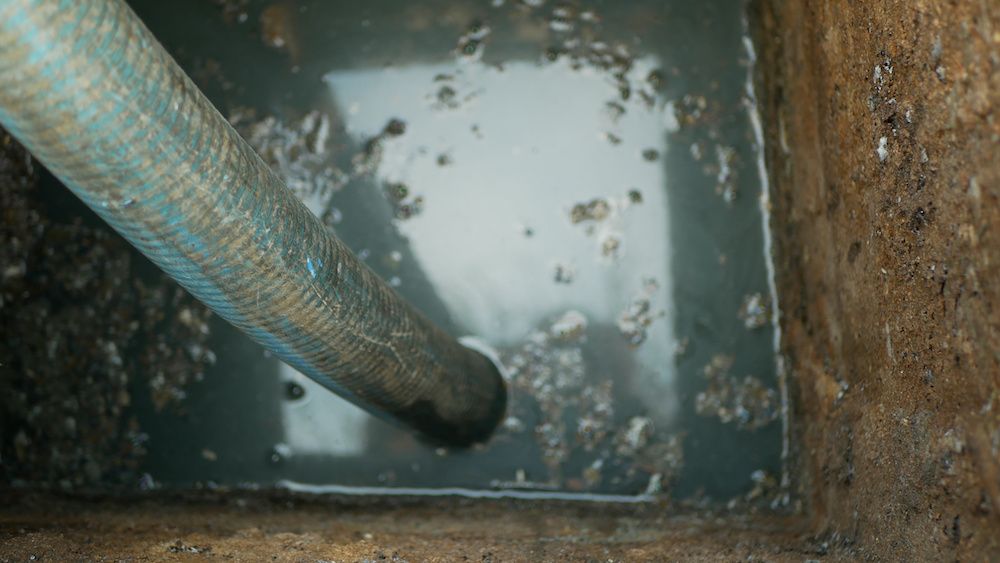
The aftermath of a sewage flood is undeniably one of the most distressing and hazardous situations a property owner can face. Unlike clean water floods, sewage backups bring with them a plethora of health risks and extensive property damage. In such emergencies, prompt and thorough cleanup is essential to mitigate health hazards, prevent further damage, and restore the affected property to a safe and habitable condition.
Health Risks of DIY Sewage Flood Cleanup
Attempting to clean up after a sewage flood without professional assistance can pose significant health risks to both individuals and the surrounding environment. Sewage water contains a cocktail of harmful contaminants, including bacteria, viruses, and other pathogens, that can lead to severe illnesses and long-term health complications if proper precautions are not taken. In this introduction, we’ll explore the various health risks associated with DIY sewage flood cleanup and emphasize the importance of seeking professional help in such hazardous situations.
- Exposure to Pathogens: Sewage water is a breeding ground for harmful bacteria, viruses, and parasites, including E. coli, Salmonella, Hepatitis A virus, and Norovirus. Direct contact with contaminated water or inhalation of airborne particles can lead to gastrointestinal infections, respiratory illnesses, skin rashes, and other health problems.
- Risk of Skin Irritation and Infections: Contact with sewage-contaminated water can cause skin irritation, rashes, and even severe infections. Open wounds or cuts on the skin provide easy entry points for pathogens, increasing the risk of infections such as cellulitis or abscesses. DIY cleanup efforts without proper protective gear put individuals at heightened risk of skin-related health issues.
- Respiratory Problems: Sewage water releases foul-smelling gases such as hydrogen sulfide, methane, and ammonia, which can irritate the respiratory system and cause breathing difficulties. Inadequate ventilation during DIY cleanup activities may result in the inhalation of toxic fumes, leading to respiratory distress, coughing, wheezing, and exacerbation of pre-existing respiratory conditions.
- Exposure to Toxic Chemicals: Sewage water may contain various toxic chemicals and hazardous substances, including pesticides, heavy metals, and industrial pollutants. Mixing of sewage with household chemicals during flooding can further increase the toxicity of the water. DIY cleanup attempts without proper knowledge and protective equipment may result in exposure to these harmful substances, leading to acute poisoning or long-term health effects.
- Risk of Mold Growth: Improper cleanup of sewage-contaminated areas can create favorable conditions for mold growth. Mold spores thrive in damp and humid environments, and sewage floods provide the perfect breeding ground. Prolonged exposure to mold spores can trigger allergic reactions, asthma attacks, and respiratory infections, posing additional health risks to occupants.
- Cross-Contamination: Inadequate cleaning techniques and improper disposal of contaminated materials during DIY cleanup can lead to cross-contamination of unaffected areas within the property. This can spread harmful pathogens and contaminants, increasing the risk of illness among occupants and complicating the cleanup process.

Why Sewage Flood Cleanup Requires Professional Restoration
Water damage is a problem that worsens over time. The longer you postpone addressing standing water, the more harm it can cause to your home. Your carpets, furniture, walls, and possessions can become damaged without prompt and proper intervention.
Moreover, sewage flood restoration presents distinctive challenges and real biohazard risks. Professional restoration technicians have the necessary equipment and adhere to safety protocols and remediation techniques that homeowners might not have and know.
Here’s what professionals do to restore your property after a sewage flood:
- Identify and address the cause of the sewage backup.
- Pump out contaminated water and remove debris.
- Sanitize the area using specialized cleaners and procedures; this helps eliminate bacteria and mold to prevent health risks and preserve the property and belongings.
- Use industrial dehumidifiers and air movers to speed up the drying process.
- Remove and replace damaged drywall and floors if necessary.

Call PuroClean For Your Water Damage Remediation Needs Today!
Water damage in Plant City caused by sewer-related issues can be stressful for residential and commercial owners. Not only is the damage frustrating to deal with, but it also poses a significant hazard to the health and safety of those on the property. That’s why it’s essential to trust the experts at PuroClean to handle these challenges. We work around the clock to provide peace of mind, so don’t hesitate to contact us when you experience these issues. With the right tools and expertise, we’ll remediate your Plant City property and help to prevent future incidents from occurring. Give us a call today at (813) 703 8686.