Water leaks cause huge stress for Florida homeowners. Knowing how to prevent water damage in Lakeland protects your home, your floors, and your family budget. Hidden pipe drips ruin drywall and wood baseboards very quickly. Fast action stops small plumbing leaks from turning into massive restoration projects.
Florida weather brings intense summer heat and sudden tropical downpours. When you understand how to prevent water damage in Lakeland, you spot property risks before storms strike. Routine home checks stop damp indoor air before mold spores can grow. Consistent upkeep keeps indoor living spaces healthy, dry, and safe.
When sudden plumbing failures occur, calling professional water damage restoration specialists ensures that wet building materials dry thoroughly. Certified crews use heavy commercial drying gear to pull trapped water from floors. Fast extraction protects structural wood framing from deep decay.
Taking time to study how to prevent water damage in Lakeland brings great peace of mind. Every room with plumbing fixtures needs periodic visual inspections. Small repairs on aging valves prevent huge water disasters down the road.
Pressurized water lines run inside walls and beneath concrete slab floors. Even a tiny pinhole leak can release hundreds of gallons of water over a weekend. Early detection is the single most effective way to protect your investment.
Top Sources of Residential Water Leaks in Central Florida
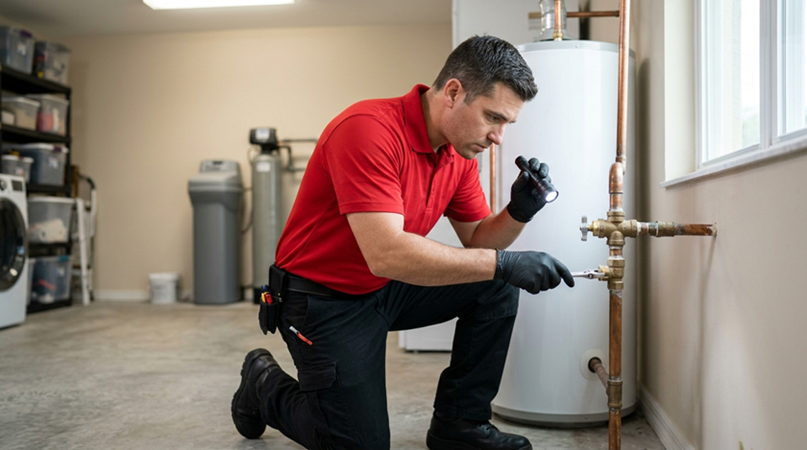
Checking indoor plumbing lines and valves as part of how to prevent water damage in Lakeland.
Indoor plumbing lines stay under steady municipal water pressure day and night. Inspecting flexible supply lines under sinks is a vital part of how to prevent water damage in Lakeland. Flexible plastic lines become brittle after years of heat exposure and suddenly split open.
Washing machine supply hoses cause hundreds of residential floods each year. Upgrading to braided stainless steel hoses is a proven rule in how to prevent water damage in Lakeland. Standard black rubber hoses bulge and burst under summer pressure surges.
Water heater tanks also require close inspection every single month. High mineral levels in local water cause tank bottoms to corrode from the inside out. Spotting rust spots or small puddles around the drain pan lets you replace the tank before it fails.
Air conditioning drain lines clog frequently during long Florida cooling seasons. Algae and slime build up quickly inside the primary drain line. Clearing the condensation pipe with white vinegar is an essential tip for how to prevent water damage in Lakeland.
Roof penetrations around plumbing vents and flashing can allow rainwater to seep into attics. Inspecting attic insulation after heavy summer thunderstorms reveals minor leaks early. Fixing damaged roof boots stops moisture from staining ceiling drywall.
Dishwasher feed lines and refrigerator ice maker tubes also cause quiet indoor leaks. These thin plastic tubes run behind appliances where nobody looks. Checking these small connections twice each year keeps kitchen subfloors dry.
Garbage disposals and drain traps can loosen over time from normal motor vibration. Water drips down the back wall of the cabinet base every time you wash dishes. Setting plastic catch basins under sink traps provides immediate visual warning.
Exterior hose bibs and outdoor faucets can develop slow leaks around the valve packing. Water seeping into exterior stucco travels into wall framing. Replacing worn faucet washers stops water from pooling near foundation walls.
Essential Maintenance Tasks Every Homeowner Should Perform
Consistent home upkeep protects your house from costly moisture intrusion. Making a written monthly schedule for how to prevent water damage in Lakeland helps you catch tiny pipe drips early. A simple fifteen minute walkthrough each month saves thousands of dollars.
Keep roof gutters clean and ensure downspouts extend several feet away from the slab. Clogged gutters overflow and dump gallons of rainwater directly beside foundation footings. Proper grading directs water runoff toward the lawn.
Check exterior caulking around window frames and door thresholds twice each year. Florida sun bakes silicone sealant, causing it to shrink and crack. Sealing gaps stops wind-driven storm rain from soaking wall cavities.
Test your main water shutoff valve twice each year to ensure it turns smoothly. Knowing where this main valve is located is central to how to prevent water damage in Lakeland. Teach every adult in your household how to shut off the main water supply.
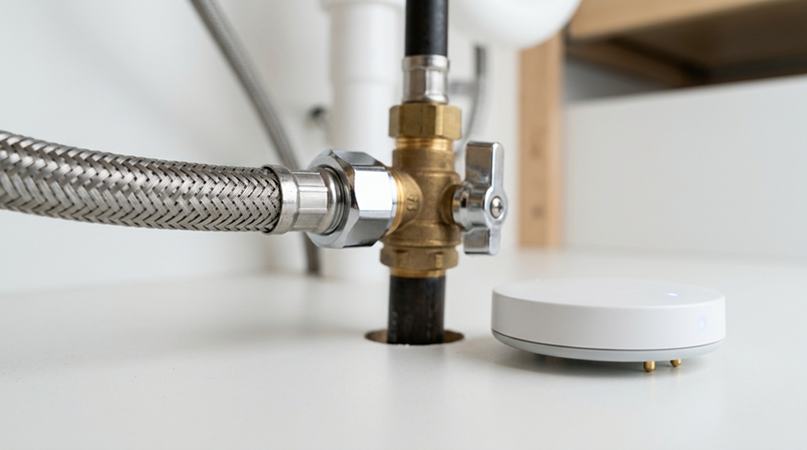
Install battery powered water alarms beneath sinks, water heaters, and behind toilets. These small puck sensors emit a loud beep the second water touches them. Fast alarms give you time to close shutoff valves before water ruins baseboards.
Monitor your monthly municipal utility bill for unexpected jumps in water consumption. An unexplained rise in water use often indicates an underground slab leak. Contacting a licensed plumber immediately stops subfloor erosion.
Inspect tile grout and silicone seals around bathtubs and shower pans. Cracked grout allows shower water to penetrate drywall behind tiles. Resealing wet areas stops hidden mold from thriving inside shower wall framing.
Professional Inspections and how to prevent water damage in Lakeland
Certified technicians using thermal imaging to demonstrate how to prevent water damage in Lakeland.
While regular homeowner checks catch obvious leaks, professional diagnostics find hidden moisture. Certified restoration specialists use electronic moisture meters and thermal cameras. Pro testing provides deep peace of mind.
1. Comprehensive Infrared Thermal Imaging
Specialists use infrared thermal cameras to scan interior walls, ceilings, and floors. Thermal imaging detects subtle temperature differences caused by evaporating moisture behind drywall. This non-invasive inspection method is a proven strategy for how to prevent water damage in Lakeland.
Thermal scans identify plumbing leaks inside wall cavities without cutting inspection holes. Locating trapped moisture early stops mold colonies from forming behind baseboards. Property owners receive clear visual reports of hidden moisture zones.
2. Electronic Moisture Meter Diagnostics
Restoration crews use calibrated pin and pinless moisture meters to check structural materials. Measuring moisture levels in baseboards and drywall helps verify how to prevent water damage in Lakeland. Pinless meters scan large tile floors quickly without scratching surfaces.
When structural materials test damp, rapid drying is critical. According to EPA mold guidelines, wet materials must dry within 24 to 48 hours to prevent mold growth. Commercial dehumidifiers extract gallons of moisture from saturated air.
3. Water Pressure and Plumbing Assessment
Specialists test incoming water pressure at outdoor faucets with a pressure gauge. High municipal water pressure stresses pipe joints and appliance valves. Installing a pressure regulator protects home pipes from sudden pressure spikes.
Crews also inspect copper pipe joints for green oxidation and white mineral crust. Corroded fittings become weak and burst under normal household pressure. Replacing brittle fittings stops catastrophic line failures.
4. Emergency Mitigation Planning
Establishing a written emergency action plan is a highly effective step in how to prevent water damage in Lakeland. Technicians label shutoff valves and identify critical power disconnects. In an emergency, knowing exact shutoff locations cuts response time down to seconds.
Professional mitigation follows strict standards published by the IICRC organization. These scientific drying standards ensure that framing wood reaches safe dry goals. Certified procedures protect indoor air quality.
5. Long-Term Moisture Control and Ventilation
Maintaining proper indoor airflow is essential to how to prevent water damage in Lakeland. Specialists check attic ventilation and bathroom exhaust ducting. Proper airflow prevents warm, humid air from condensing on cooler drywall surfaces.
Technicians also evaluate crawlspace and slab perimeter drainage. Proper exterior slope prevents water from standing against exterior walls. Keeping foundation perimeters dry protects concrete slabs from moisture migration.
Navigating Property Insurance and Preventative Documentation
Understanding your homeowner insurance policy helps you manage property risks. Most insurance policies cover sudden and accidental water discharges. Documenting your maintenance steps is a valuable part of how to prevent water damage in Lakeland.
Insurance policies typically exclude damage caused by gradual, long-term plumbing leaks. Insurers expect property owners to maintain their plumbing lines and roof seals. Keeping receipts for plumbing repairs proves that you practice active home maintenance.
Take clear digital photos of your plumbing fixtures, water heater, and roof once each year. Store these photos in a secure cloud folder for easy access. In the event of a storm claim, clear baseline photos show the prior good condition of your home.
If an unexpected pipe burst occurs, call your restoration team and insurance agent immediately. Fast notification keeps your claim moving smoothly while mitigation starts. Documenting how to prevent water damage in Lakeland efforts demonstrates responsible property care.
Restoration professionals work directly with insurance adjusters by providing daily drying logs. Detailed moisture logs and thermal photos validate necessary extraction work. Clear documentation speeds up claim processing.
Proven Daily Habits for Long-Term Slab and Pipe Protection
Simple daily habits make a tremendous difference in how to prevent water damage in Lakeland. Never leave running washing machines or dishwashers unattended when leaving the house. If a supply hose ruptures while you run errands, water can flood several rooms before you return.
Turn off water supply valves to washing machines and ice makers before leaving on vacation. Shutting off water lines removes pressure while the home sits empty. This simple two-minute habit prevents devastating vacation leaks.
If you ever discover persistent musty odors or damp baseboards, schedule professional mold removal and remediation right away. Early mold remediation removes hidden microbial spores before they spread through air ducts.
Keep your air conditioning thermostat set to 76 degrees or lower during summer months. Running the cooling system circulates air and extracts airborne humidity. Controlled indoor humidity is essential for how to prevent water damage in Lakeland.
Avoid pouring chemical drain cleaners down household plumbing lines. Caustic chemicals generate intense heat that softens PVC joints and corrodes older copper pipes. Using biological enzyme cleaners keeps drains clear without damaging pipe walls.
Check the water meter indicator triangle when all indoor faucets are closed. If the meter dial continues to spin slowly, water is running somewhere in your home. Finding silent toilet flapper leaks or slab leaks saves money on water bills.
Toilet tank fill valves and flapper seals degrade naturally from chlorine and chloramines present in municipal water supplies. A deteriorating flapper allows water to run continuously into the overflow tube, wasting thousands of gallons of water and stressing supply valves. Replacing worn toilet internal components every two years stops tank overflows before floorboards warp.
Under-sink reverse osmosis drinking water systems and refrigerator filtration units utilize small plastic tubing held together by push-to-connect fittings. Over time, household vibration and water pressure fluctuations can loosen plastic collar seals, causing steady drips inside dark cabinet bases. Inspecting filtration line connections quarterly prevents moisture from degrading custom kitchen cabinetry.
Frequently Asked Questions About Home Water Protection
What is the most common cause of hidden leaks in local homes?
In Central Florida, failing flexible supply lines under sinks and clogged air conditioning condensation lines are the top causes. High indoor humidity accelerates rust on metal fittings. Following guidelines on how to prevent water damage in Lakeland helps homeowners identify these vulnerable points early.
How often should I replace washing machine water hoses?
Plumbing manufacturers recommend replacing rubber washing machine hoses every three to five years. Upgrading to braided stainless steel lines provides superior puncture resistance. Regular hose replacement is a central recommendation in how to prevent water damage in Lakeland.
Does homeowners insurance cover slow plumbing drips under bathroom vanities?
Most homeowners insurance policies exclude damage resulting from ongoing, gradual leaks that occur over weeks. Coverage usually applies only to sudden and accidental water events. Practicing how to prevent water damage in Lakeland stops slow drips before they cause uncovered damage.
How does high indoor humidity affect building materials after a minor leak?
High ambient humidity slows down natural evaporation and traps moisture inside drywall and carpet padding. Warm, stagnant moisture creates ideal conditions for rapid mold growth within 48 hours. Knowing how to prevent water damage in Lakeland includes using dehumidifiers to keep humidity low.
Protect Your Property with PuroClean of Lakeland
Do not let hidden plumbing leaks jeopardize your home and family safety. The certified restoration specialists at PuroClean of Lakeland are ready 24/7 to assist you. When you need expert help with how to prevent water damage in Lakeland or emergency drying, call our local office at (813) 703-8686. We respond rapidly with industrial water extraction equipment and certified technicians.
Our experienced team works closely with insurance providers to restore your home to pristine condition. Submit our online contact form to schedule a professional moisture inspection today. Learn how to prevent water damage in Lakeland from local experts who care about your community.