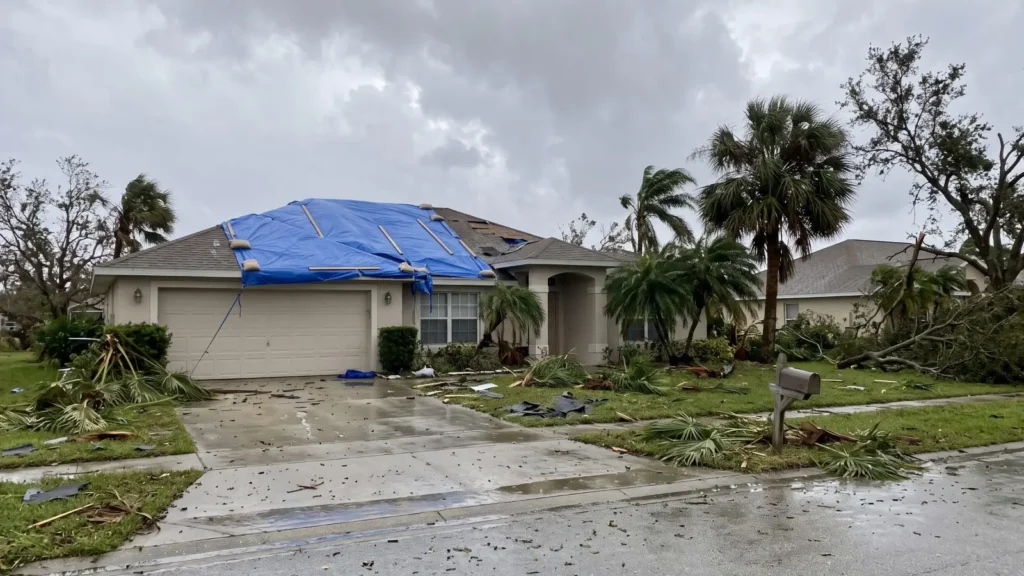
A homeowner off James L. Redman Parkway called us the Monday after a late October weather system had passed through central Florida last fall. The system itself hadn’t been dramatic. A couple of inches of rain over about 36 hours, some wind gusts, nothing that made the regional news. But her master bedroom ceiling had been dripping intermittently since Sunday evening, and by Monday morning she had a visible wet patch about four feet across. The late October water restoration calls Plant City properties produce every year follow this specific pattern. Not the hurricane-landfall emergencies that get major attention, but the lower-key events from late-season systems that catch properties with vulnerabilities that developed through hurricane season but hadn’t been exposed until that specific weather pattern revealed them. Here’s what late October actually does to produce the Plant City water restoration situations we see every fall.
What Late October Weather Actually Does Across Central Florida
Plant City properties face specific late October conditions that drive water restoration situations with different characteristics than earlier hurricane-season events or dry winter patterns.
The specific late October factors:
- Late-season tropical activity continuing through November with systems that may not reach hurricane strength but still produce significant rainfall
- First cooler fronts moving into central Florida from the north, producing temperature differentials that affect building envelopes
- Cumulative hurricane season stress on roofing, drainage, and exterior systems that handled earlier events but may be approaching failure thresholds
- Transition humidity patterns as outdoor conditions begin cooling while indoor humidity levels remain elevated
- Vegetation changes as some trees begin dropping leaves affecting drainage and roof debris patterns
- Sustained rainfall events that produce different damage patterns than brief intense thunderstorms
- HVAC transition patterns as cooling demands reduce and systems operate differently
- Insurance renewal cycles where many Florida property owners face October-November policy decisions
For Plant City specifically, the Hillsborough County location means late October weather patterns include both tropical system remnants moving across the state and cooler frontal systems from the north. The combination produces specific water damage patterns that neither pattern alone would create.
For the James L. Redman Parkway homeowner, her situation traced to roof flashing damage that had developed through earlier hurricane season but hadn’t produced visible symptoms until the late October sustained rainfall exposed it. The system that caused her problem wasn’t the storm that created the vulnerability. It was the specific sustained rainfall pattern that found the vulnerability.
The Roof-Related Water Restoration Pattern
The largest category of late October water restoration calls at Plant City properties traces to roof conditions that developed through hurricane season.
The specific roof-related patterns:
- Flashing damage from earlier wind events that didn’t produce immediate leaks but became problematic during sustained rain
- Shingle lifting or damage that handled brief rain events but failed during longer saturation
- Soffit and fascia issues from accumulated hurricane season stress
- Gutter and downspout damage affecting water management around the roof perimeter
- Vent penetration deterioration at plumbing vents, HVAC roof penetrations, or attic ventilation
- Valley area problems where debris accumulated during earlier storms affects water shedding
- Chimney flashing failure at the roof interface
- Skylight seal issues that developed through heat and UV exposure plus storm stress
For water damage restoration situations traced to roof sources, the sustained-rainfall pattern of late October systems finds vulnerabilities that brief intense thunderstorms don’t expose. Four hours of heavy rain stresses roofs differently than 36 hours of moderate rain.
For Plant City properties with roofs that went through earlier 2026 hurricane season activity, late October is typically when accumulated stress produces failures that weren’t apparent immediately after the earlier events. Property owners who performed post-hurricane roof inspection catch most of these issues before late October reveals them. Property owners who skipped post-hurricane inspection often discover the issues through water damage symptoms rather than through proactive assessment.
The HVAC and Humidity Transition Patterns
The second cluster of late October water restoration calls involves HVAC systems and humidity management conditions that shift as central Florida transitions from peak cooling demand toward moderate conditions.
The specific HVAC-related patterns:
- AC condensate issues developing as cooling demand reduces and systems operate in shoulder-season patterns
- Condensate line clogs from biological growth accumulated through peak summer humidity
- Float switch failures on units where issues went undetected during continuous summer operation
- Air handler drain pan problems from accumulated debris or wear
- Humidity management issues as cooler outdoor temperatures interact with elevated indoor humidity
- Ductwork condensation in attic installations where temperature differentials shift
- Dehumidifier shoulder-season operation on properties where dehumidifiers come into more prominent use
- Window and door seal issues that didn’t matter during consistent summer humidity but produce condensation during transition
For Plant City homes with attic-installed air handlers, which is common across the central Florida market, the late October HVAC transition often reveals issues that peak summer operation masked. Equipment running continuously through summer may have developed drain or component issues that only become apparent when operation patterns change.
For properties where water staining appears on ceilings below attic HVAC equipment during late October, the source is often not a roof issue despite the ceiling symptom. HVAC condensate overflow produces the same ceiling symptoms as roof leaks but requires different response.

The Plumbing System Patterns Fall Weather Exposes
The third pattern of late October water restoration calls involves plumbing system issues that cooler weather and seasonal usage changes expose.
The specific plumbing-related patterns:
- Supply line stress from temperature differentials as cooler nights begin alternating with warm days
- Pipe fitting failures at connections that have been developing slowly
- Water heater issues that may have developed through summer but produce symptoms during fall usage patterns
- Appliance connection failures including washing machines, dishwashers, and refrigerator ice makers
- Toilet seal failures that progressed through summer heavy use
- Shower pan deterioration that produces slow symptoms over extended periods
- Outdoor plumbing including irrigation systems that may have developed issues through summer heavy use
- Pool equipment plumbing for properties with pools where fall usage changes affect plumbing stress
For water mitigation situations traced to plumbing sources, the late October pattern often involves issues that had been developing for weeks or months but only produced symptoms when seasonal patterns shifted.
For Plant City properties specifically, the combination of established agricultural-adjacent residential properties with older plumbing infrastructure and newer developments with varied construction quality produces different plumbing vulnerability patterns across the city. Properties in older downtown areas, Baker Street area, and Reynolds Street area neighborhoods often have older plumbing systems that produce different patterns than newer developments.
What Late October Water Restoration Response Involves
For Plant City properties facing late October water restoration situations, the response approach addresses both the immediate damage and the specific seasonal context driving the situation.
The specific response considerations for late October:
- Thorough source identification since late October events often involve delayed symptom appearance from earlier developing conditions
- Hidden moisture assessment using thermal imaging and moisture meters throughout potentially affected areas
- Roof assessment coordination when exterior sources appear likely
- HVAC system assessment for condensate-related water sources that produce roof-leak-mimicking symptoms
- Insurance coordination for events that may fall under hurricane coverage versus standard water damage coverage depending on specific timing and causation
- Documentation requirements that establish timing relative to earlier hurricane season events for coverage purposes
- Mold risk assessment since central Florida humidity accelerates mold conditions following water events
- Weather monitoring during the drying phase since additional late-season systems may affect project conditions
For Plant City property owners facing late October water damage, response that addresses both the visible symptoms and the underlying seasonal patterns driving the situation produces better outcomes than response focused only on the immediate symptoms. The source identification often reveals conditions that need addressing beyond the specific water damage event.
For related situations where water damage conditions have been present long enough to produce mold development, mold inspection assessment as part of the restoration project addresses the full scope rather than treating the water symptoms alone.
How Plant City Property Owners Can Reduce Late October Water Damage Risk
Beyond understanding the pattern, specific preventive practices meaningfully reduce late October water damage risk for Plant City properties.
The specific preventive practices:
- Post-hurricane season roof inspection completed before late October rainfall patterns begin, ideally by qualified professionals
- Gutter and downspout cleaning before heavy fall rainfall combined with leaf accumulation
- HVAC system assessment including condensate system cleaning before shoulder-season operation reveals developing issues
- Plumbing inspection at any locations showing warning signs or where previous issues have occurred
- Water heater verification of age and condition
- Window and door seal inspection at any locations with historical issues
- Attic access and inspection for signs of developing roof or HVAC issues
- Insurance policy review before late season systems might trigger claims
- Property documentation with current photographs supporting any future claims
For Plant City property owners, these preventive practices typically take a weekend of attention and modest expense. The alternative, dealing with late October water damage situations, consistently costs significantly more both financially and in disruption.
What the Late October Water Restoration Pattern Means for Plant City Properties
The water restoration calls Plant City properties produce in late October trace to specific seasonal conditions interacting with vulnerabilities that developed through earlier hurricane season or that cooler weather exposes. Late-season tropical remnants finding roof issues. HVAC transition revealing summer-developed problems. Cooler temperatures stressing plumbing systems. All of these cluster in the specific weeks from mid-October through mid-November, every year. Plant City property owners who understand this pattern, complete post-hurricane preventive maintenance before late October systems arrive, and respond promptly to any symptoms that do appear consistently see outcomes measured in avoided incidents or managed responses. The James L. Redman Parkway situation got resolved with modest restoration work because the homeowner called within 24 hours of her symptoms appearing. The alternative, waiting through subsequent late-season systems to see if symptoms resolved, would have produced much more substantial damage. For every Plant City property owner recognizing late October as a specific water restoration pattern window, prompt attention during these weeks produces much better outcomes than reactive response after symptoms compound.
Get Late October Water Restoration Response at Your Plant City Property
The team at PuroClean Emergency Restoration Specialists LLC is ready to help. Contact us today for professional water restoration at your Plant City, FL property with the thorough source identification, hidden moisture assessment, and seasonal-pattern experience that late October water damage situations genuinely require.