


24/7 Call or Text 651-329-5436
Mold Remediation Rosemount MN for a Fast-Growing City With Older Roots
Mold remediation Rosemount MN from PuroClean of Lakeville begins with finding the moisture behind the mold, whether it is a slow drain leak, a humid finished basement or an attic that frosts every winter. Our IICRC-certified team contains the area, removes growth and rebuilds. We are based in the Lakeville area and serve the entire south metro, including Rosemount.
See or smell mold in your Rosemount home or business? Call (952) 377-8477 any time. We arrive on-site quickly, and estimates are free.
From Railroad Village to Suburb
Rosemount has deeper roots than many people realize. According to the city’s 2040 Comprehensive Plan community context, the township was named in 1858 after a village in Ireland, the village was platted in 1866 and incorporated in 1875, and two-story brick buildings went up downtown in the 1880s. In 1942 the federal government acquired 11,500 acres for the Gopher Ordnance Works; most of that land later went to the University of Minnesota and is now UMore Park.
That history still shows up in housing. The plan’s housing chapter describes pre-1940s neighborhoods on a grid west of South Robert Trail near downtown, postwar homes from the 1950s through the 1980s farther out and rapid growth from the 1990s on. Between 1999 and 2005 the city added nearly 400 homes a year, and townhouses and multifamily units made up roughly half of that growth.
Newer Homes Still Need Mold Remediation Rosemount MN
The housing chapter notes that most of Rosemount’s housing is relatively new, with a little less than 20 percent older than 35 years at the time of the plan. New does not mean mold-proof. Homes from the late 1990s and 2000s are now 20 to 25 years old, which is when original water heaters, washing machine hoses, sump pumps and shower valves start to fail.
Modern houses are also tighter. Less air leakage saves energy but holds in moisture from cooking, showers and people, and large finished basements give that moisture plenty of cool surfaces to settle on. Townhomes add shared roofs and walls. In our experience, mold remediation Rosemount MN in newer neighborhoods usually traces back to one appliance, one vent or one drainage problem, which makes the fix straightforward once it is found.
Rural Edges and Older Downtown Houses
Not every Rosemount home is in a newer subdivision. The housing chapter also describes rural large-lot homes in the northern part of the city and farmland to the east. Rural houses may rely on private wells and septic systems, have older outbuildings and sit on open land exposed to wind-driven rain and drifting snow.
Downtown, pre-war homes on the original grid have smaller basements and older foundations. Both settings bring their own moisture sources: a pressure tank that sweats in a utility room, snow packed against a foundation, a basement that takes on a little water every spring. Mold remediation Rosemount MN in these homes usually pairs cleanup with simple drainage or ventilation changes. We serve every part of the city, and mold remediation Rosemount MN starts the same way everywhere: by finding the water.
Mold Remediation Rosemount MN After a Sump Pump or Water Heater Failure
In Rosemount’s newer neighborhoods, two failures account for many of the lower-level water losses we see: a sump pump that quits during a storm and a water heater that finally rusts through. Both can put water on carpet and drywall in hours, and if the area is not dried within a day or two, growth may follow.
If this just happened, call for drying first. If it happened weeks ago and you are noticing a smell now, mold remediation Rosemount MN may be needed. Either way, we find out how far the water traveled, remove what cannot be saved and dry the rest. Our repairs and reconstruction team then rebuilds, so mold remediation Rosemount MN ends with a finished room.
Where Mold Starts in Rosemount Homes
Finished basements in 2000s homes
Large lower levels often have carpet on the slab, a bathroom and a sump pit in a storage room. A pump that cycles constantly or a small leak at the basement shower can wet the bottom of drywall for weeks before anyone notices.
Townhome mechanical closets
Water heaters and furnaces in tight closets can leak or sweat. Because the closet is rarely opened, mold on the drywall or subfloor may go unseen.
Older homes near downtown
Pre-war houses have smaller basements, older foundations and less insulation. Seepage, attic frost and ice dams are more common.
Upstairs laundry rooms
Many newer homes put the washer near bedrooms. A slow hose leak soaks the subfloor and ceiling below, a classic hidden-mold spot.
Winter, Thaw and Summer Humidity in Rosemount
Freeze-thaw cycles are hard on buildings. Snow on a roof melts from attic heat, refreezes at the cold overhang and forms a dam that pushes meltwater under shingles and into insulation and wall cavities. The Minnesota Department of Health names ice dams and leaking roofs as common sources of indoor mold and advises sealing attic air leaks and adding insulation to stop them.
Spring snowmelt then saturates the soil around foundations, and July brings sticky, humid days. MDH recommends relative humidity under 60 percent for most of the year and 20 to 40 percent in winter, when windows and cold walls sweat. Good mold remediation Rosemount MN work accounts for all of these seasons, not just the stain you can see today.
Winter Frost in the Attic
In winter, check your attic on a cold morning. Frost on nails or sheathing means warm, moist air is getting up there. When it melts, it drips onto insulation and ceilings and can lead to mold. MDH advises sealing air leaks and adding insulation to stop ice dams. If growth is already there, mold remediation Rosemount MN removes it, and an insulation or roofing contractor can address the leaks.
Keeping Basements Mold-Free
If your basement has needed mold remediation Rosemount MN once, it can need it again unless the conditions change. Fix drainage first, then humidity. Keep stored items on shelves, not the floor. Use plastic bins instead of cardboard. Check the water heater, softener and washer connections, which tend to leak slowly. EPA says condensation on walls or pipes is a sign of high humidity that needs attention.
Mold Around Plumbing Fixtures
Refrigerator ice-maker lines, dishwasher supply hoses, washing machine hoses and water heater connections all fail slowly before they fail fast. A damp spot that comes and goes, swollen cabinet bottoms or warped laminate flooring are early clues. Catching them early can keep mold remediation Rosemount MN to a cabinet base instead of a whole room.
What Mold Looks and Smells Like
You do not need a lab to spot most mold problems. A musty, earthy odor, staining that spreads or returns, fuzzy or speckled growth on drywall or wood, and swollen baseboards are the usual clues. The Minnesota Department of Health advises checking behind and under furniture, stored items, carpet and pad, vinyl flooring and sink cabinets, because growth often starts out of sight.
Mold You Can’t See Yet
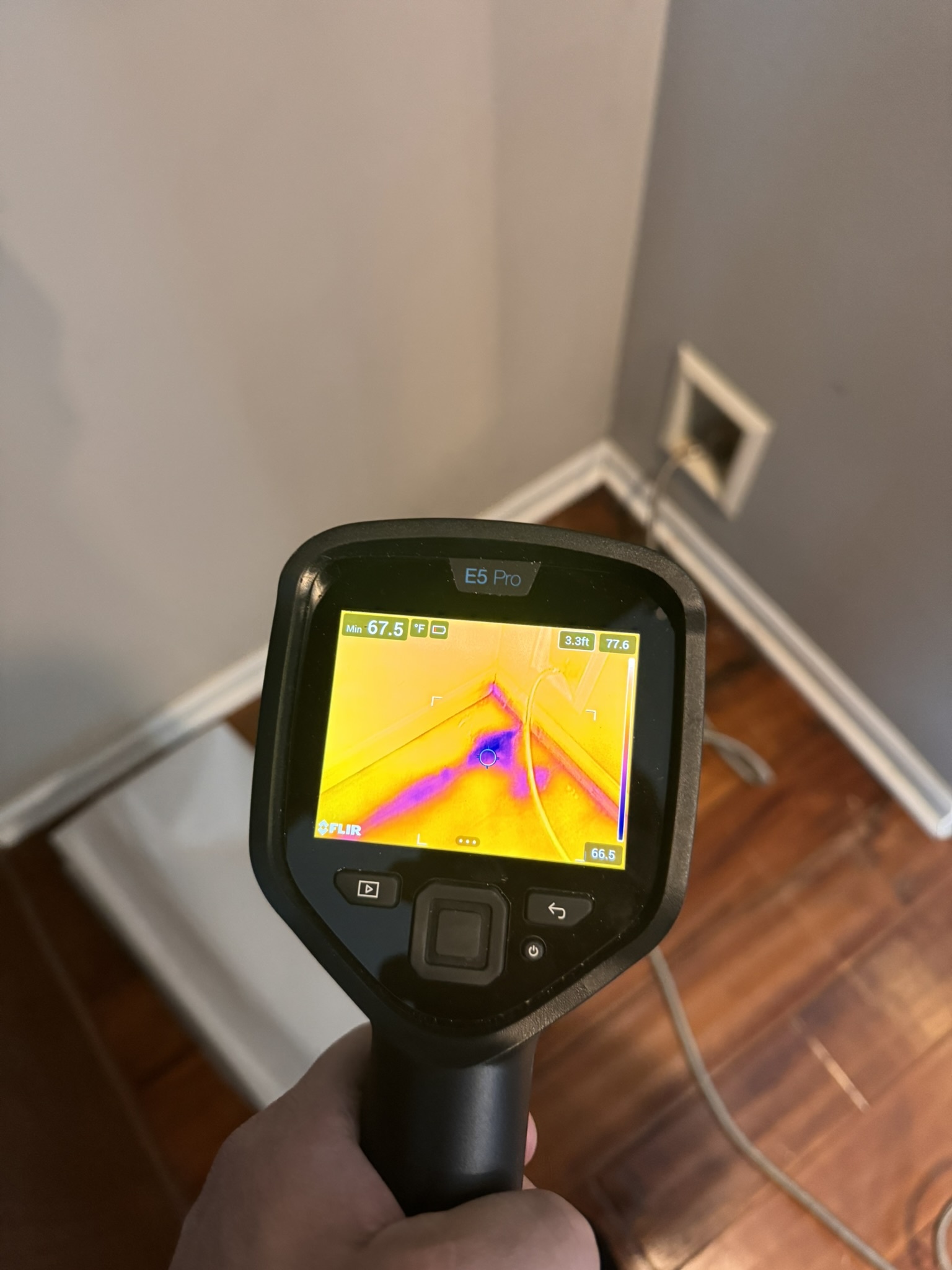
Mold often grows where nobody looks. Behind a dresser on a cold exterior wall, condensation forms where air cannot move. Inside a wall around a sweating cold-water pipe, drywall stays damp for months. Under vinyl flooring or carpet pad, moisture from the slab lingers. EPA notes that investigating hidden mold can release spores if done carelessly, which is why our mold remediation Rosemount MN inspections start with meters and imaging, not a hammer.
Water Damage First, Mold Second
Most mold jobs begin as water jobs that dried too slowly. EPA advises drying water-damaged areas and items within 24 to 48 hours to prevent mold growth. Fans alone rarely reach water trapped inside walls and under flooring. If you have had a leak in the last few days, call us for drying now, and we will check for early growth so mold remediation Rosemount MN stays small or is not needed at all.
The Steps We Follow for Mold Remediation Rosemount MN
Step one: look and measure
Technicians inspect the affected rooms and the spaces around them, then measure moisture in drywall, wood and concrete. We want to know how far the water went, not just where the stain is.
Step two: isolate
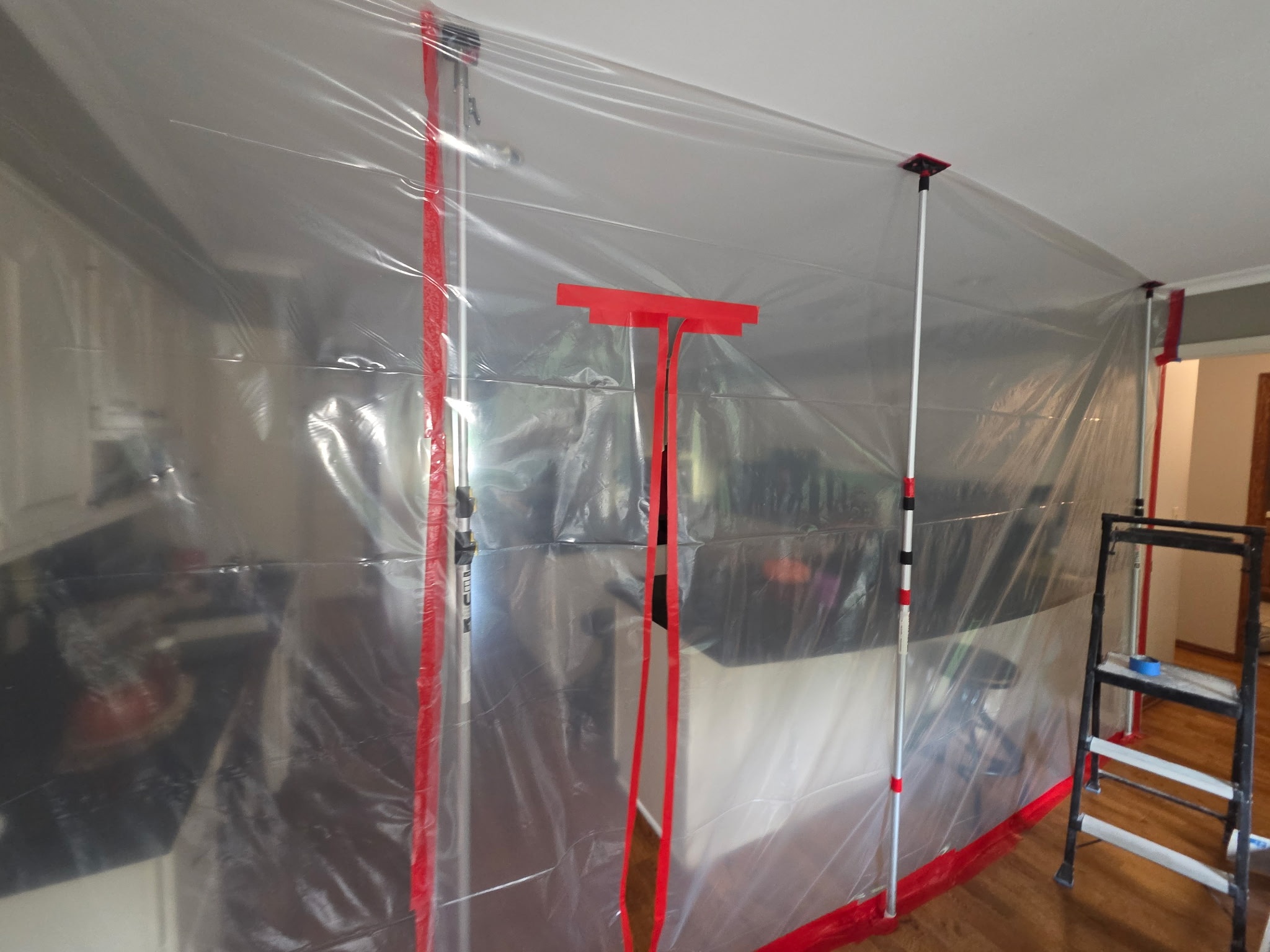
The work area is closed off with plastic and the floor path is protected, which keeps cleanup contained.
Step three: remove and clean
Moldy porous materials are cut out and bagged. Hard surfaces are cleaned with detergent-based methods; EPA says bleach is not recommended as a routine part of mold cleanup.
Step four: dry
Dehumidifiers and air movers bring materials back to normal moisture levels before anything is closed up.
Step five: restore
We handle repairs and reconstruction, from drywall and paint to flooring, and schedule follow-up moisture-monitoring visits where needed.
What Gets Removed and What Gets Cleaned
MDH guidance explains that growth on concrete, metal, tile and solid wood can be cleaned if the material is structurally sound, while porous materials like drywall, carpet, upholstery and insulation are difficult to clean and should be thrown away. We follow that logic during mold remediation Rosemount MN: framing and concrete are usually cleaned, and moldy drywall, pad and insulation are removed and replaced.
Checking That Mold Remediation Rosemount MN Worked
We finish mold remediation Rosemount MN when three things are true: the visible growth is gone, the surfaces around it are clean and the materials are dry by our readings. That matches MDH’s description of a space that should be relatively safe. Just as important, the cause must be fixed, because EPA warns that mold usually returns when the water problem remains. We walk you through the readings before repairs start.
From Inspection to Finished Room
Expect an inspection and free estimate first, then containment and removal, then drying and checks, then repairs. The middle steps may overlap. Bedrooms or kitchens affected by mold remediation Rosemount MN may be off-limits for part of the job, and we will talk through options with you before we start.
Testing Versus Inspection
What most Rosemount property owners need is not a lab report but an inspection that finds the moisture. That is the view of MDH’s guidance on mold testing, which says the two goals of any mold investigation are to locate the growth and determine the source of moisture. EPA guidance says sampling should be designed and interpreted by experienced professionals when it is used, and that it can help confirm an area has been adequately cleaned.
Health-Conscious Mold Remediation Rosemount MN
If you are worried about how mold affects your family, start with a health professional; EPA recommends that before cleanup if you have health concerns. Our part is the building. Mold remediation Rosemount MN removes the growth, the containment keeps the rest of the house clean during the work, and fixing the moisture keeps it from coming back. Tell us about children, older relatives or anyone with asthma so we can plan.
DIY Cleanup Versus Calling a Pro
If the growth is small and on a hard surface, you may not need us. EPA’s mold and moisture guide says areas under about 10 square feet can usually be cleaned by the occupant with detergent and water and then dried. Bigger areas, growth inside walls, mold after contaminated water or any situation involving health concerns are better handled by professionals, and EPA suggests talking with a health professional before cleanup if you have health concerns.
First Steps When You Find Mold
Small steps help while you wait for us. Turn off the water to any leaking fixture. Leave visible growth alone rather than wiping or scrubbing it, because disturbing it puts spores in the air. Close the door to the room, set a fan to blow out an open window if the weather allows, and keep the HVAC system off if the growth is close to it. Photograph everything before it is moved. Then call (952) 377-8477 to set up mold remediation Rosemount MN and a free estimate.
Commercial and Rental Properties in Rosemount
Rosemount’s downtown, retail areas and industrial employers all have roofs, sprinkler systems and HVAC equipment that can leak.
Landlords and property managers call us when a tenant reports a musty unit or a leak shows up between floors. We inspect the affected units, contain and remove damaged materials and document everything for owners and insurers. MDH’s page for renters explains how tenants and landlords should communicate about moisture and mold.
Insurance Questions
Many property owners ask whether insurance will pay. The honest answer is that it depends on your policy and on what caused the moisture, and your insurer decides. We help with documentation, meet or talk with adjusters when needed and can bill insurance directly. You will see our scope before work begins.
Rosemount Moisture Checklist
- Replace washing machine hoses with braided lines and add a drain pan.
- Test the sump pump each spring and consider a battery backup.
- Check the water heater for rust or drips once a year.
- Run bath fans during and after showers.
- Keep basement humidity under 60 percent in summer.
- Ask your association how to report roof or siding leaks.
Other Ways We Help
Our main mold removal and remediation page explains our approach in more detail. Many mold jobs start as water losses, so see our Rosemount water damage restoration page and our water damage restoration service. We also provide fire and smoke damage restoration with smoke and odor removal, including non-fire odors like tobacco, and biohazard cleanup. Browse all residential restoration services and our commercial restoration services.
Why Choose PuroClean of Lakeville for Mold Remediation Rosemount MN
Our technicians are IICRC-certified, and our company is licensed and insured. We answer 24/7, arrive on-site quickly and give free estimates. We handle containment, removal, drying, repairs and reconstruction, and we work with insurance companies. We are based in the Lakeville area and serve communities throughout the south metro, including Rosemount.
Other Communities Near Rosemount
We also serve Farmington, Apple Valley (mold removal), Eagan (mold removal) and Inver Grove Heights. See all cities on our service areas page.
Mold Remediation Rosemount MN FAQ
My home is only 20 years old. Could it need Mold Remediation Rosemount MN service?
Yes. Age is less important than moisture. A leaking hose, a failing sump pump or a bathroom fan that does not vent outside can lead to growth in any house.
Do you work with townhome associations?
Yes. We can inspect, document and coordinate with owners and associations, and we explain which areas were affected.
Can I just spray bleach on it?
EPA says using bleach or another biocide is not recommended as a routine part of mold cleanup, and that the key is removing the growth and fixing the moisture. Painting or caulking over mold is also discouraged because the paint is likely to peel.
Will the mold come back?
EPA says that if you clean up mold but do not fix the water problem, it will most likely return. That is why our process starts with the moisture source and ends with dry readings.
Should I run my furnace if I think the ducts have mold?
EPA advises not running a heating and cooling system you know or suspect is contaminated, because it could spread mold through the building. Call us and we will check the area around the system.
Do you offer free estimates?
Yes. Estimates are free, and we explain what we found before any work begins.
Talk to Us About Mold Remediation Rosemount MN
Call (952) 377-8477 day or night, or contact us online, and we will set up a free estimate.
More Restoration Services in Rosemount
Mold usually starts with a water problem, and a fire can leave smoke, soot and water damage behind. Our team based in the Lakeville area also provides water damage restoration in Rosemount and fire and smoke damage restoration in Rosemount. Call (952) 377-8477 any time, 24/7, for a free estimate.

