


24/7 Call or Text 651-329-5436
Mold Remediation Credit River MN for Wells, Septic and Rural Lots
Mold remediation Credit River MN from PuroClean of Lakeville fits how Credit River homes are built: private wells, septic systems, larger lots and a mix of older and newer houses. Our IICRC-certified team finds the moisture, contains the work, removes growth and rebuilds. We are based in the Lakeville area and serve the entire south metro, Credit River included.
Need help with mold in Credit River? Call (952) 377-8477. We answer 24/7, give free estimates and work with insurance companies.
A New City With Old Roots
According to the state’s incorporation order, Credit River was settled in 1854, organized as a township in 1858 and approved to incorporate as a city, with its first mayor and council elected on May 11, 2021. It borders Prior Lake, Savage, Burnsville and Lakeville, and the Credit River itself flows north toward the Minnesota River.
That long rural history shows in the housing: older farmhouses, homes on acreage from several decades and newer houses on large lots. Each comes with different moisture risks. Older homes may have fieldstone foundations and outbuildings; newer ones have big finished basements. Mold remediation Credit River MN has to start with an understanding of which kind of house it is.
No City Sewer, No City Water
Credit River is unusual for the metro. The City of Credit River says most homes and businesses use individual septic systems and that no buildings are connected to municipal sewer and water. Scott County oversees septic systems, and most homes rely on private wells.
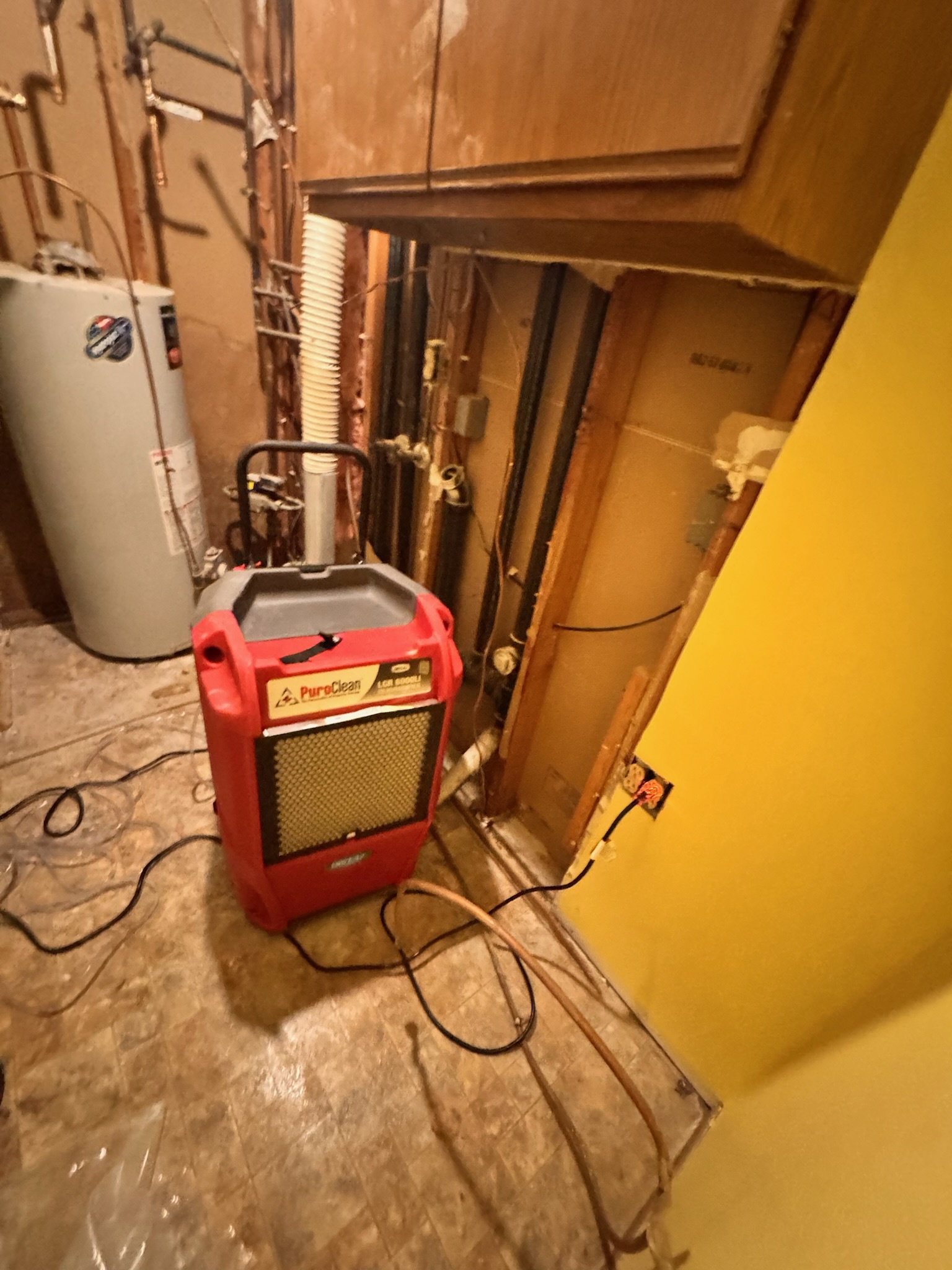
That changes where moisture comes from. Pressure tanks, well pumps, water softeners and iron filters all live in the basement or utility room, and their fittings and tanks can leak or sweat. A septic backup is contaminated water, and EPA recommends a professional experienced with contaminated water for cleanup. Mold remediation Credit River MN in a well-and-septic home often begins in the utility room.
Larger Lots, More Exposure
Homes on open land face wind-driven rain and drifting snow that piles against foundations and garage walls. Long driveways and rural grading can send runoff toward the house. Detached garages and pole buildings store items that can get damp and moldy, then move indoors.
We look at the full property during mold remediation Credit River MN: how water drains past the house, whether window wells fill with snowmelt and how the utility room is laid out. Then we remove damaged materials, clean, dry and rebuild, with free estimates and documentation if you file a claim.
Wells, Water Treatment and Mold Remediation Credit River MN
Because Credit River homes rely on private wells, most basements hold a pressure tank, a well pump control and often a softener, iron filter or reverse osmosis unit. Each has fittings, drains and tanks that can leak or sweat, and the room around them is usually unfinished storage that nobody checks often.
Cold water from a well makes pipes and tanks sweat on humid days. EPA recommends covering cold surfaces such as cold water pipes with insulation to prevent condensation. During mold remediation Credit River MN in a utility room, we look at all of this equipment, note leaks for your plumber or water treatment provider and dry the area before rebuilding. Mold remediation Credit River MN estimates are free.
Where Mold Shows Up in Credit River Homes
Around pressure tanks and softeners
Cold well water makes tanks and pipes sweat in humid weather. Drips collect on the floor and on nearby drywall and stored items.
Basements after a septic backup
Sewage-contaminated materials need professional cleanup and removal of porous materials. We handle this under our biohazard and mold services.
Older farmhouse foundations
Fieldstone and early block foundations let moisture through. Musty cellars and damp floor joists are common.
Finished basements in newer homes
Large lower levels with carpet, bedrooms and baths hide slow leaks behind finished walls.
How Minnesota Weather Feeds Mold in Credit River
Minnesota gives mold two chances a year. In winter, warm indoor air leaks into cold attics, where its moisture freezes on the roof deck or helps build ice dams at the eaves. The Minnesota Department of Health lists leaking roofs and ice dams among the first places it tells homeowners to look for water and mold, and it recommends insulating and sealing air leaks between the attic and the house to prevent them.
Then summer arrives. Warm, humid air drifts into basements, meets cool concrete and condenses. MDH suggests keeping indoor relative humidity at 20 to 40 percent in winter and below 60 percent the rest of the year. In Credit River, most mold remediation Credit River MN projects we see trace back to one of these seasonal patterns, or to a plumbing leak nobody noticed.
When the Attic Is the Problem
Roof and attic problems often show up indoors first: a stain at the top of a wall, peeling ceiling paint or a musty closet on the top floor. EPA lists roof materials above ceiling tiles, from roof leaks or insufficient insulation, as a place mold hides. We check the attic as part of mold remediation Credit River MN whenever ceiling stains or ice dam history suggest it.
Lower Levels: The Most Common Trouble Spot
Basements combine cool surfaces, plumbing and groundwater, which is why they show up in so many mold remediation Credit River MN calls. MDH advises checking foundations, crawl spaces and sump pumps periodically and sloping ground away from the house. A sump pump that runs constantly, a floor drain that backs up or a wall that sweats are all worth a call before growth starts.
Wet Rooms and Mold Remediation Credit River MN
A little mildew on caulk is routine cleaning. Soft drywall around a tub, a stained ceiling below a shower or a musty sink cabinet points to a leak. EPA advises venting moisture-producing appliances like clothes dryers outdoors and keeping air conditioning drip pans clean. When we do mold remediation Credit River MN in a bathroom or laundry room, we find the leak and coordinate the plumbing fix before rebuilding.
How to Tell If You Have a Mold Problem
Mold is not always obvious. Sometimes it is a faint musty smell in a closet, a ring of staining around a window or a ceiling spot under a bathroom. The Minnesota Department of Health recommends looking for water leaks, standing water, water stains and condensation, then searching under carpet, behind wallpaper and inside sink cabinets. Any one of these is a good reason to schedule an inspection.
Finding Hidden Mold in Credit River
Hidden growth shows up as a smell, a cool or damp spot, or a health complaint before it shows up as a stain. EPA lists likely hiding places: the back of drywall and paneling, the upper side of ceiling tiles, under carpet and pad, inside ductwork and around pipes in wall cavities. We trace moisture first and open walls only where the readings point, which keeps mold remediation Credit River MN as small and tidy as it can be.
Why Speed Matters After a Leak
If a pipe, appliance or roof just leaked, think in hours, not weeks. EPA guidance says that in most cases mold will not grow if materials are dried within 24 to 48 hours. Water wicks up drywall and spreads under flooring faster than most people expect. Quick drying protects the structure and may make mold remediation Credit River MN unnecessary.
The Steps We Follow for Mold Remediation Credit River MN
Step one: look and measure
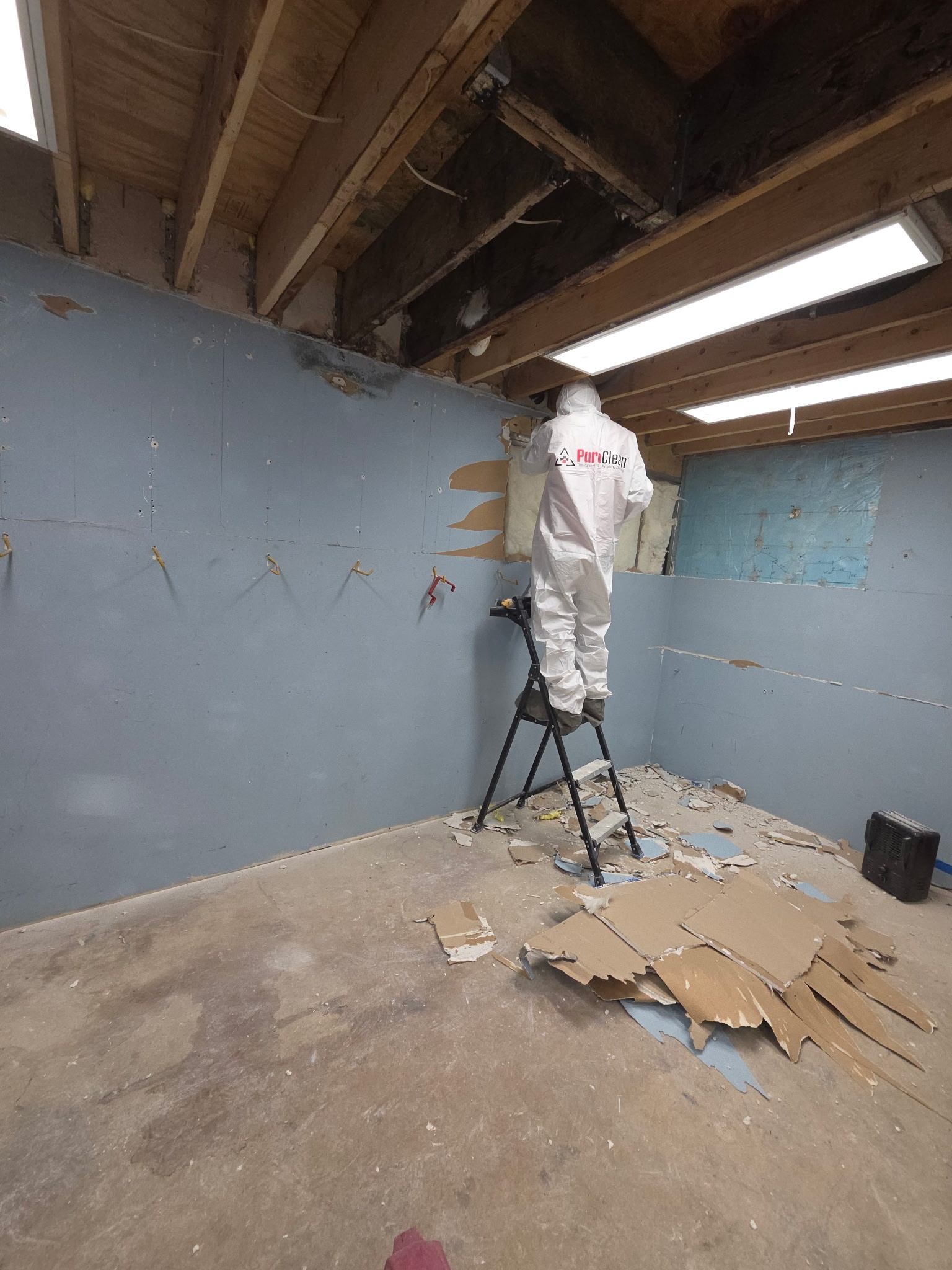
Technicians inspect the affected rooms and the spaces around them, then measure moisture in drywall, wood and concrete. We want to know how far the water went, not just where the stain is.
Step two: isolate
The work area is closed off with plastic and the floor path is protected, which keeps cleanup contained.
Step three: remove and clean
Moldy porous materials are cut out and bagged. Hard surfaces are cleaned with detergent-based methods; EPA says bleach is not recommended as a routine part of mold cleanup.
Step four: dry
Dehumidifiers and air movers bring materials back to normal moisture levels before anything is closed up.
Step five: restore
We handle repairs and reconstruction, from drywall and paint to flooring, and schedule follow-up moisture-monitoring visits where needed.
Deciding What Stays and What Goes
Our rule during mold remediation Credit River MN is simple: clean what can be cleaned, replace what can’t. MDH says sound concrete, metal, tile and solid wood can be cleaned with water and a household cleaner, and that porous materials like drywall, carpet and insulation should be discarded. EPA adds that mold may leave staining even after cleaning, so some finishes may still need replacement for appearance.
Confirming a Clean, Dry Space
A finished mold remediation Credit River MN project should look clean, smell normal and stay dry. MDH says that when all visible growth is removed, nearby areas are cleaned and the space stays dry and odor-free, it should be relatively safe with regard to mold. We verify dryness with meters and revisit if readings need time to come down, then hand the room off for repairs.
How Long Mold Remediation Credit River MN Takes
A small, contained area may be done in a day or two. Larger jobs that need drying and reconstruction take longer. Most families stay home during mold remediation Credit River MN because containment keeps the work separate. We give you a timeline with your free estimate and update it if we find more moisture than expected.
Is a Mold Test Worth It?
A test can sound reassuring, but the Minnesota Department of Health is cautious about it. MDH’s guidance on mold testing says testing should not be the first response to an indoor air concern and that knowing the type of mold does not change how it should be cleaned up. EPA adds that if visible growth is present, sampling is usually unnecessary. When testing could help, for example to verify cleanup, we will say so.
Allergies, Asthma and Mold Remediation Credit River MN
EPA notes that people with asthma who are allergic to mold can have asthma attacks from exposure, and that mold can irritate the eyes, skin, nose, throat and lungs. If anyone in your home has health concerns, EPA suggests talking with a health professional before cleanup. During mold remediation Credit River MN, containment keeps the work area separate, and we can plan the schedule so sensitive family members are away from the noisiest, dustiest steps.
When You Can Clean It Yourself
EPA’s mold and moisture guide draws a practical line at about 10 square feet. Below that, a homeowner can usually clean nonporous surfaces with detergent and water, wearing gloves, goggles and an N-95 respirator. Above it, or after heavy water damage or a sewage backup, EPA points people to its professional remediation guidance. EPA also warns not to run a heating and cooling system you suspect is contaminated, because it can spread mold through the building.
What You Can Do Right Now
If you just discovered mold, resist the urge to tear out the drywall yourself. EPA notes that disturbing hidden mold, such as pulling off wallpaper, can release a large number of spores. Instead, stop any leak you can reach, close off the room, move valuables that are dry to another area and take pictures. If you have health concerns, EPA suggests talking with a health professional. A quick call to (952) 377-8477 gets mold remediation Credit River MN on the schedule.
Commercial and Rental Properties in Credit River
Credit River has home-based businesses, farms and commercial buildings on wells and septic, with the same utility-room risks as homes.
Landlords and property managers call us when a tenant reports a musty unit or a leak shows up between floors. We inspect the affected units, contain and remove damaged materials and document everything for owners and insurers. MDH’s page for renters explains how tenants and landlords should communicate about moisture and mold.
Insurance Questions
Many property owners ask whether insurance will pay. The honest answer is that it depends on your policy and on what caused the moisture, and your insurer decides. We help with documentation, meet or talk with adjusters when needed and can bill insurance directly. You will see our scope before work begins.
Credit River Moisture Checklist
- Insulate cold well-water pipes to reduce condensation, as EPA suggests.
- Inspect the pressure tank, softener and filters for drips.
- Follow Scott County guidance on septic maintenance.
- Keep snow cleared away from foundations and window wells.
- Run a dehumidifier in the utility room in summer.
- Store items in detached garages in sealed bins.
Water, Fire and Biohazard Help
If your mold came from a burst pipe or a wet basement, our Credit River water damage restoration page and our water damage restoration service explain how drying works. Our fire and smoke damage restoration team handles smoke, soot and odor, and biohazard cleanup covers sewage and other hazards. Learn more on our mold removal and remediation page, or browse our residential restoration services and commercial restoration services.
Choosing a Mold Remediation Credit River MN Company
Look for IICRC-certified technicians, proof of license and insurance, a written scope, a plan for the moisture source and someone who can finish repairs. PuroClean of Lakeville checks every box, answers 24/7 and gives free estimates. From our base in the Lakeville area we serve communities throughout the south metro, including Credit River.
Other Communities Near Credit River
We also serve Prior Lake, Savage, Burnsville and Lakeville. See every city on our service areas page.
Mold Remediation Credit River MN FAQ
Why does my utility room smell musty?
Cold well water makes tanks and pipes sweat in humid weather, and small drips go unnoticed. Insulating pipes and running a dehumidifier help. If the smell stays, we can check for growth.
Can you clean up after a septic backup?
Yes. Sewage is contaminated water, and porous materials it touches are removed. We contain the area, clean and dry and handle repairs.
Do you need city water or sewer to do Mold Remediation Credit River MN work?
No. We bring our own equipment and plan around wells and septic systems, and we can protect your septic system by managing how water is removed.
Do you offer free estimates?
Yes. Estimates are free, and we explain what we found before any work begins.
Can mold grow in winter?
Yes. MDH points to condensation on windows and exterior walls and to ice dams as common moisture sources, and both peak in cold weather. Keeping winter humidity between 20 and 40 percent, as MDH suggests, helps.
Can I just spray bleach on it?
EPA says using bleach or another biocide is not recommended as a routine part of mold cleanup, and that the key is removing the growth and fixing the moisture. Painting or caulking over mold is also discouraged because the paint is likely to peel.
How long does Mold Remediation Credit River MN take?
It depends on how much material is affected and how wet the structure is. Small, contained jobs may take a day or two, while larger projects with drying and reconstruction take longer. We give you a timeline with your free estimate.
Schedule Mold Remediation Credit River MN
Call (952) 377-8477 any time or contact us online for a free estimate.
More Restoration Services in Credit River
Mold usually starts with a water problem, and a fire can leave smoke, soot and water damage behind. Our team based in the Lakeville area also provides water damage restoration in Credit River and fire and smoke damage restoration in Credit River. Call (952) 377-8477 any time, 24/7, for a free estimate.

