


24/7 Call or Text 651-329-5436
Mold Remediation Stillwater MN for Lumber-Era Homes and the St. Croix Valley
Mold remediation Stillwater MN from PuroClean of Lakeville takes care with old buildings: stone foundations, plaster walls and old-growth timber that a lot of Stillwater homes and businesses share. Our IICRC-certified team finds the moisture source, contains the area, removes growth and rebuilds. We are based in the Lakeville area, serve the entire south metro and also serve Stillwater.
Mold in Stillwater? Talk to a technician at (952) 377-8477, day or night. We arrive on-site quickly and give free estimates.
The St. Croix and Its Flood Stages
Stillwater is the Washington County seat, and the St. Croix River defines it. The U.S. Geological Survey runs a river gauge near downtown, and the National Weather Service uses it for flood forecasts. NWS lists minor flood stage at 87 feet and records a crest of 89.21 feet on April 24, 2023, above the 89-foot major flood stage and the seventh-highest on record, behind the 94.1-foot record of April 1965.
The same NWS page notes that the Stillwater Riverwalk is inundated at about 77 feet and the lift bridge closes near 86 feet. City council minutes from June 21, 2024 record another emergency declaration as forecasts climbed again. Weeks of high water raise humidity and groundwater near the river, setting up mold remediation Stillwater MN needs in basements long after the water recedes.
Lumber-Era Buildings
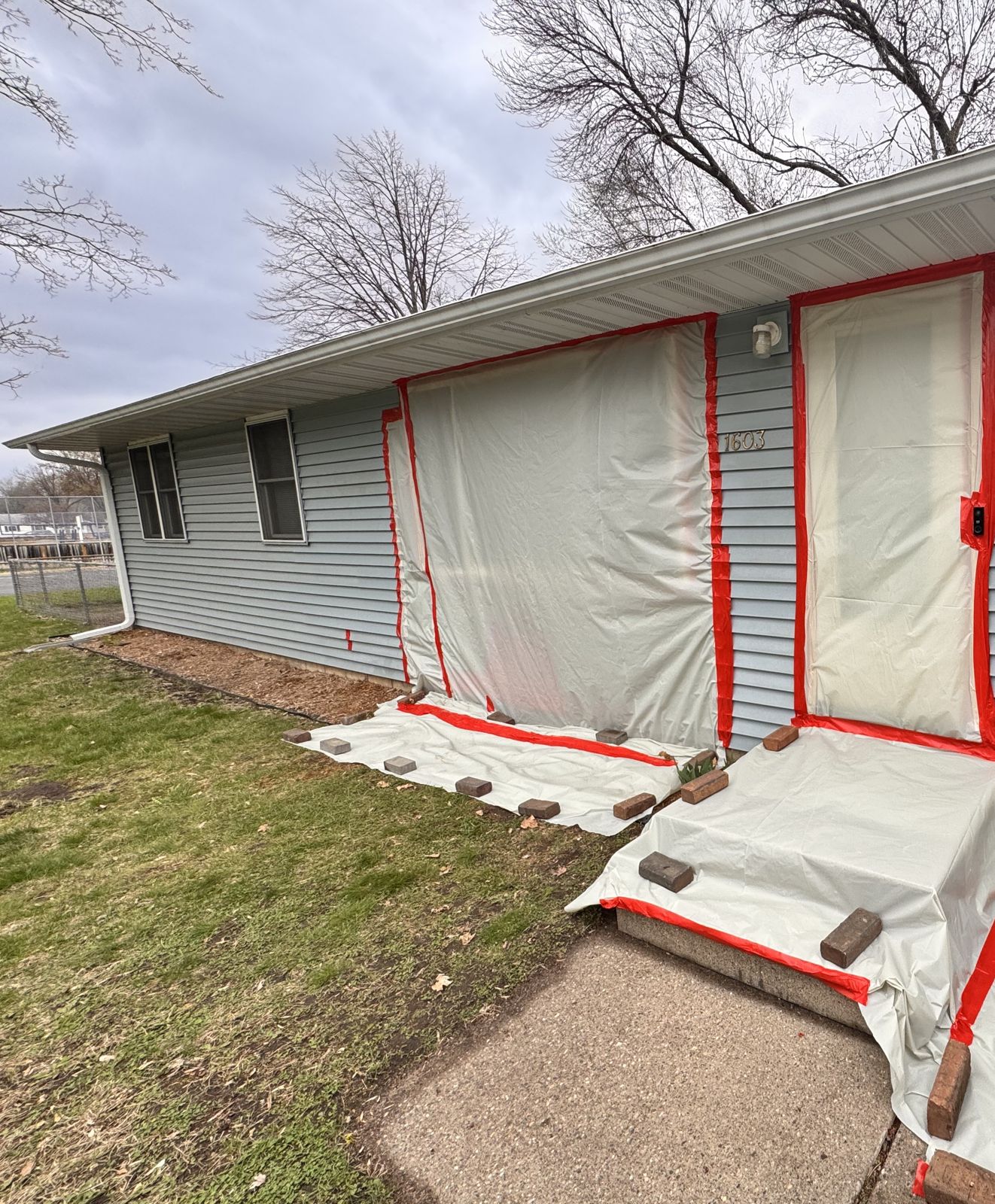
According to the city’s Conservation District Design Guidelines, much of Stillwater’s historic architecture dates to its lumber era, 1843 to 1914, from modest workers’ houses to lumber baron mansions in neighborhoods such as the North Hill and South Hill. Downtown’s brick and stone commercial buildings date to the same period.
These buildings have limestone or rubble foundations, plaster on wood lath, old wood framing and attics that predate modern insulation. Moisture moves slowly through them, and finishes can hide it. Mold remediation Stillwater MN here means careful removal, patient drying and repairs that respect the building.
Hillsides, Bluffs and Runoff
Stillwater climbs steeply from the river to the bluffs, and many homes sit on slopes. Heavy rain runs downhill toward foundations, and retaining walls and terraced yards can hold water against basement walls.
On hillside lots, the uphill foundation wall is often the wettest. Gutters, downspouts and grading matter a great deal. When we handle mold remediation Stillwater MN on a hillside home, we look at where the water comes from outside and recommend simple drainage fixes along with the interior work.
Mold Remediation Stillwater MN for Inns, Shops and Restaurants
Stillwater’s historic downtown and its inns depend on old buildings staying in good shape. Guest bathrooms, commercial kitchens and basements under shops all bring moisture, and many buildings share walls with neighbors.
We plan mold remediation Stillwater MN around guests, customers and hours where possible, contain each work area and document every affected space for owners and insurers. Because downtown buildings sit close to the river, we also check basements after high-water seasons. Mold remediation Stillwater MN estimates are free.
For bed-and-breakfasts and other lodging, a room taken out of service costs money. We keep scopes tight so rooms return to use as soon as they are clean, dry and repaired.
Where Mold Hides in Stillwater Buildings
Stone basements near the river
Old foundations and high groundwater keep basements damp. Storage against walls and wood shelving often grow mold first.
Plaster walls on hillside homes
Water from the uphill side can wick into plaster and lath. Look for bubbling paint and soft spots.
Inns and bed-and-breakfasts
Many guest bathrooms in older buildings mean more chances for hidden leaks and humid ceilings.
Attics in lumber-era homes
Little insulation and many air leaks cause frost and ice dams.
Why Stillwater Homes Get Damp: Minnesota Climate
In this part of Minnesota, mold problems follow the calendar. Winter brings condensation on cold surfaces and ice dams that let meltwater into ceilings and walls. Spring brings thaw, rain and high groundwater, which test sump pumps and foundation walls. Summer brings humid air that settles in lower levels and closets.
The Minnesota Department of Health recommends keeping relative humidity between 20 and 40 percent in winter and below 60 percent the rest of the year, venting bathrooms, kitchens and dryers outdoors and sealing attic air leaks to prevent ice dams. During mold remediation Stillwater MN work we look at each of those, because removing mold without fixing the moisture only buys time.
Attic Mold and Ice Dams
Attic mold usually starts with warm, moist air leaking up from the house through light fixtures, bath fans or gaps around chimneys. In cold weather that moisture frosts on the roof deck, then melts. Ice dams add water from outside. MDH recommends insulating and sealing air leaks between the attic and the house. During mold remediation Stillwater MN in an attic, we remove damaged insulation, clean the sheathing and point out the leak paths to fix.
Keeping Basements Mold-Free
If your basement has needed mold remediation Stillwater MN once, it can need it again unless the conditions change. Fix drainage first, then humidity. Keep stored items on shelves, not the floor. Use plastic bins instead of cardboard. Check the water heater, softener and washer connections, which tend to leak slowly. EPA says condensation on walls or pipes is a sign of high humidity that needs attention.
Wet Rooms and Mold Remediation Stillwater MN
A little mildew on caulk is routine cleaning. Soft drywall around a tub, a stained ceiling below a shower or a musty sink cabinet points to a leak. EPA advises venting moisture-producing appliances like clothes dryers outdoors and keeping air conditioning drip pans clean. When we do mold remediation Stillwater MN in a bathroom or laundry room, we find the leak and coordinate the plumbing fix before rebuilding.
Signs You May Need Mold Remediation Stillwater MN
The Minnesota Department of Health says the most practical way to find a mold problem is to use your eyes and nose. Mold can look cottony, velvety, granular or leathery, and it can be white, gray, brown, black, green or other colors. A musty or earthy smell counts as evidence too. If you see or smell mold, MDH says to assume a problem exists. Also look for water stains, peeling paint, warped trim and condensation on windows or pipes.
Mold You Can’t See Yet
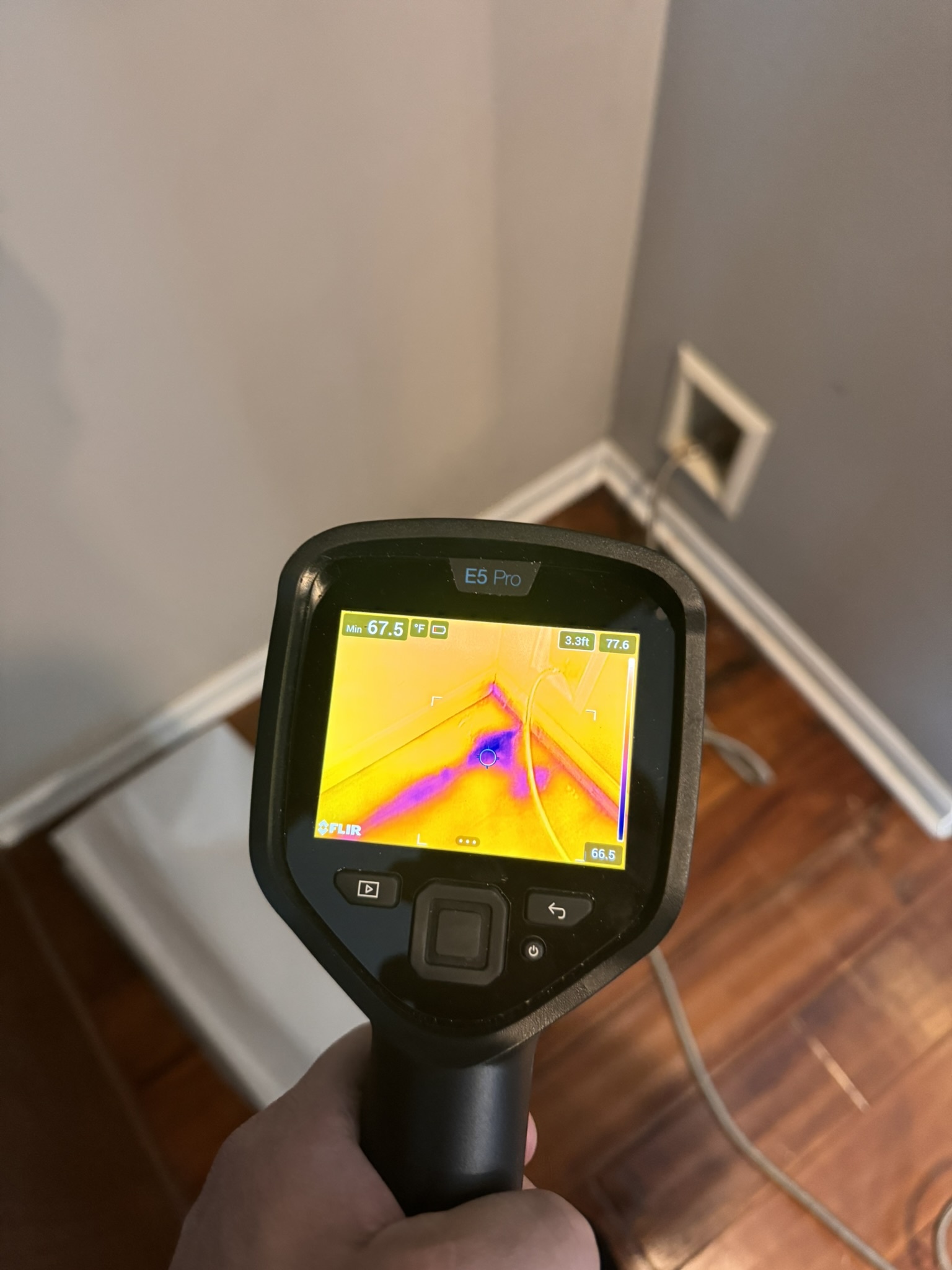
Mold often grows where nobody looks. Behind a dresser on a cold exterior wall, condensation forms where air cannot move. Inside a wall around a sweating cold-water pipe, drywall stays damp for months. Under vinyl flooring or carpet pad, moisture from the slab lingers. EPA notes that investigating hidden mold can release spores if done carelessly, which is why our mold remediation Stillwater MN inspections start with meters and imaging, not a hammer.
Acting Fast After Water Gets In
Timing changes everything. EPA says drying wet materials within 24 to 48 hours usually prevents mold. After that, the odds of growth rise, especially in warm, humid weather. When we respond to a fresh leak, we extract water, open what needs air and set dehumidifiers, which often prevents the need for mold remediation Stillwater MN later. When we respond to an old leak, we plan for removal and cleaning.
Inside a Mold Remediation Stillwater MN Project
Inspection
We start by asking what you have noticed and when, then inspect with moisture meters and thermal imaging. The inspection answers two questions MDH says every mold investigation should answer: where is the growth, and where is the moisture coming from?
Containment
Barriers go up around the affected area and floors are covered, so materials can be removed without spreading dust.
Removal and cleaning
Porous materials with growth are removed. Studs, joists and concrete are cleaned. Our goal is to eliminate any existing mold in the work area.
Drying
The area is dried and checked with meters, because new material installed over damp framing invites the problem back.
Repairs
Our repairs and reconstruction crew rebuilds the space, and we can return for follow-up moisture-monitoring visits.
Porous and Nonporous Materials
The deciding factor is whether mold can be physically cleaned off the surface. On hard materials it can. On drywall paper, insulation and carpet backing it grows into the material, and MDH says those porous items should be thrown away. For valuable or sentimental items, EPA suggests consulting a specialist. During mold remediation Stillwater MN we sort materials with you so nothing is discarded without explanation.
The Finish Line for Mold Remediation Stillwater MN
Before reconstruction, we check that the source is stopped, the framing and subfloor are dry and no visible growth remains in the work area. EPA stresses that if the water problem is not fixed, mold will most likely come back, so the source gets as much attention as the cleanup. If something does not look right a few weeks after mold remediation Stillwater MN, call us and we will come back and check.
Schedule and Disruption
We plan mold remediation Stillwater MN around your household or business. Small jobs can fit into a single visit, while larger ones are scheduled in phases: removal, drying, verification and repairs. You will know what is happening each day, and we keep paths through the home protected and clean.
Is a Mold Test Worth It?
A test can sound reassuring, but the Minnesota Department of Health is cautious about it. MDH’s guidance on mold testing says testing should not be the first response to an indoor air concern and that knowing the type of mold does not change how it should be cleaned up. EPA adds that if visible growth is present, sampling is usually unnecessary. When testing could help, for example to verify cleanup, we will say so.
Health-Conscious Mold Remediation Stillwater MN
If you are worried about how mold affects your family, start with a health professional; EPA recommends that before cleanup if you have health concerns. Our part is the building. Mold remediation Stillwater MN removes the growth, the containment keeps the rest of the house clean during the work, and fixing the moisture keeps it from coming back. Tell us about children, older relatives or anyone with asthma so we can plan.
How Big Is Too Big for DIY?
Size matters. EPA’s mold and moisture guide says patches smaller than about 10 square feet can typically be handled as a do-it-yourself job, using protective gloves, eye protection and an N-95 respirator. Larger areas, extensive water damage and anything touched by sewage call for a professional who follows EPA’s remediation guidance. Whatever the size, EPA is clear that the water problem must be fixed or the mold will likely return.
What to Do Before Our Crew Arrives
- Stop the water if you can: shut off a leaking fixture or the main valve.
- Avoid touching, scraping or dry-brushing the growth, which releases spores.
- Keep children and pets out of the room and close the door.
- Do not run the furnace or air conditioner if growth is near the system, as EPA advises.
- Take photos for your records and your insurer.
- Call (952) 377-8477 to schedule mold remediation Stillwater MN.
Mold Remediation Stillwater MN for Businesses and Landlords
Downtown Stillwater’s shops, restaurants, inns and offices often share walls in historic buildings.
From a single apartment to a warehouse roof leak, commercial jobs need clear scopes and tidy work areas. We serve offices, retail, rental and multi-unit properties and industrial or warehouse buildings. PuroClean is trusted by businesses nationwide, and our local team brings a commitment to excellence to every mold remediation Stillwater MN job.
Documentation for Your Insurer
Good records make claims easier. We photograph the affected area, log moisture readings, note the likely source and write a detailed scope. We work with insurance companies and can bill your insurer directly, though your insurer alone decides what is covered.
Stillwater Prevention Tips
- Check basements after each high-water season.
- Keep gutters and downspouts working on hillside homes.
- Direct runoff away from the uphill foundation wall.
- Run a dehumidifier in river-area basements through summer.
- Seal attic air leaks to reduce ice dams, as MDH recommends.
- Ask the city about any review for designated historic properties before exterior changes.
More PuroClean of Lakeville Services
We are a full restoration company, so one call covers more than mold. See our mold removal and remediation page, our Stillwater water damage restoration page and our water damage restoration service for drying, fire and smoke damage restoration for smoke and soot, and biohazard cleanup for contaminated water and trauma scenes. Property managers can review our commercial restoration services, and homeowners can see all residential restoration services.
What You Can Expect From Us
You can expect a free estimate, a clear explanation of what we found and why, a contained work area and a finished room at the end. Our IICRC-certified team is licensed and insured, we arrive on-site quickly and we work with insurance companies. We are based in the Lakeville area and work throughout the south metro, and we also serve Stillwater.
More Cities We Cover
We also serve Woodbury, St. Paul and Cottage Grove. See every city on our service areas page.
Mold Remediation Stillwater MN FAQ
Does high water on the St. Croix cause mold in homes that stayed dry?
It can raise groundwater and humidity in nearby basements. A moisture check after the river drops is a good idea.
Can you work in historic downtown buildings?
Yes. We contain the work, remove only what is needed and coordinate with owners and tenants.
How long after a flood season should I check my basement?
Check during and soon after the river drops, and again when warm weather arrives. If materials stayed damp for more than a day or two, mold could be growing behind finishes.
Do you serve homes on the bluffs as well as downtown?
Yes. We work throughout Stillwater, from riverfront buildings to hillside homes on the North Hill and South Hill and newer neighborhoods.
Do you offer free estimates?
Yes. Estimates are free, and we explain what we found before any work begins.
Can I just spray bleach on it?
EPA says using bleach or another biocide is not recommended as a routine part of mold cleanup, and that the key is removing the growth and fixing the moisture. Painting or caulking over mold is also discouraged because the paint is likely to peel.
Will the mold come back?
EPA says that if you clean up mold but do not fix the water problem, it will most likely return. That is why our process starts with the moisture source and ends with dry readings.
Is mold a health concern?
EPA says molds can produce allergens and irritants, that inhaling or touching mold may cause allergic reactions in sensitive people, and that mold can trigger asthma attacks in people with asthma who are allergic to mold. If you have health concerns, talk with a health professional. We focus on removing growth and fixing the moisture.
Schedule Mold Remediation Stillwater MN
Call (952) 377-8477 any time or contact us online for a free estimate.
More Restoration Services in Stillwater
Mold usually starts with a water problem, and a fire can leave smoke, soot and water damage behind. Our team based in the Lakeville area also provides water damage restoration in Stillwater and fire and smoke damage restoration in Stillwater. Call (952) 377-8477 any time, 24/7, for a free estimate.

