


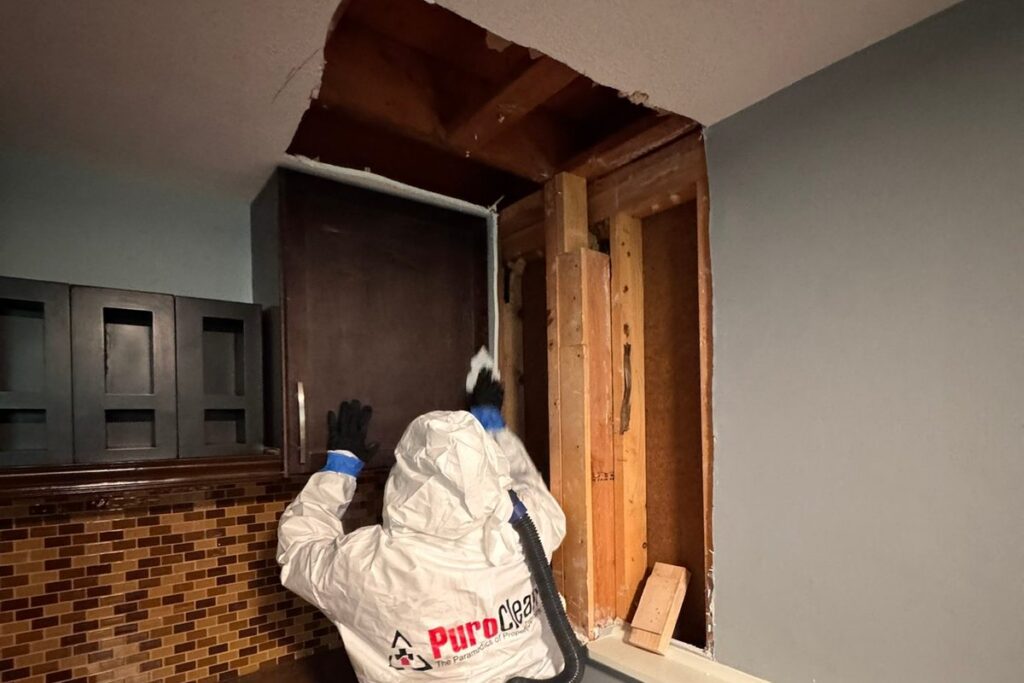
Frozen pipes in Prior Lake are about to become a real risk again. The National Weather Service Twin Cities office expects highs near 60 this Monday, but that mild stretch will not last. The NWS says temperatures should drop below freezing Thursday and Friday mornings, and its Prior Lake forecast calls for a low around 30 Wednesday night, about 26 Thursday night, and about 28 Friday night.
A few nights in the 20s will not create frozen pipes in Prior Lake in every well-heated house. They can freeze a garden hose, an outdoor faucet that was never shut off, an irrigation line, or a pipe in an unheated garage or three-season porch. This dry, mild stretch is a good time to get ahead of the deep cold that always arrives later. Below you will find a free 7-step checklist to prevent frozen pipes in Prior Lake, safe thaw tips, first-hour steps if a pipe bursts, and when to call for help.
Where Frozen Pipes in Prior Lake Homes Usually Start
From lake homes and cabins along the shoreline to newer neighborhoods off County Road 21, the trouble spots behind most frozen pipes in Prior Lake tend to be the same:
- Outdoor faucets (hose bibs), especially with a hose still attached
- Lawn irrigation lines and backflow valves that have not been blown out
- Pipes on exterior walls, like a kitchen sink under a window
- Garages, crawl spaces, and porches that do not get much heat
- The main water line where it comes up through the basement floor near the meter
- Seasonal or rarely used homes, where a furnace problem can go unnoticed for days
If you have a cabin, a walkout, or a three-season porch on the lake, pay extra attention. Those spaces look fine on a mild Monday and then surprise you once overnight lows settle into the 20s. The same pattern shows up in attached garages and unfinished basement corners where cold air sneaks in around rim joists.
Your Free 7-Step Checklist Before Frozen Pipes in Prior Lake Hit
Most of this takes an afternoon and costs very little. Start with step one today. It takes about two minutes. These seven steps are the simplest way to lower the odds of frozen pipes in Prior Lake before Thursday’s colder mornings arrive.
- Disconnect and drain garden hoses. A hose left on the spigot traps water right where it can freeze.
- Shut off and drain outdoor faucets. If you have an inside shutoff valve for the outdoor faucet, close it, then open the outside faucet so the line can drain.
- Winterize the sprinkler system. Follow the manufacturer’s instructions or call your irrigation company.
- Find your main water shutoff and make sure everyone in the house knows where it is. In a burst-pipe emergency, this is the valve you will need fast.
- Insulate exposed pipes in the garage, crawl space, or unfinished basement with foam pipe sleeves, and seal drafts where pipes pass through walls.
- Keep the heat on. The American Red Cross recommends a setting no lower than 55°F if you will be away. If you have a cabin or seasonal place, have someone check on it.
- Open cabinet doors under sinks on exterior walls during the coldest nights so warm room air can reach the pipes, and let a faucet drip slightly if a hard freeze is on the way.
None of these steps replace a licensed plumber when a line is already frozen solid, but they prevent a lot of the common winter calls we see across the south metro. If you only have time for two things today, disconnect the hoses and find the main shutoff.
If a Pipe Freezes or Bursts: Your First-Hour Steps
Even careful homeowners can still deal with frozen pipes in Prior Lake once a real cold snap settles in, especially in garages and along exterior walls. Use this first-hour plan so you protect people first, then the house, then the claim paperwork.
1. Shut off the water
If water is spraying or dripping, close the main shutoff right away. Then open a faucet on the lowest level to relieve pressure. Stopping the flow early keeps frozen pipes in Prior Lake from turning a small break into a whole-floor loss.
2. Stay safe around water and electricity
Do not walk through standing water near outlets, cords, or appliances. If you can reach your electrical panel without stepping in water, shut off power to the wet area. If a ceiling is sagging from trapped water, stay out from under it.
3. Thaw a frozen pipe the safe way
If a faucet gives only a trickle, a pipe may be frozen but not yet broken. The Red Cross advises keeping the faucet open and warming the pipe with a hair dryer, an electric heating pad, or towels soaked in hot water. Never use a torch, a propane or kerosene heater, or any open flame. If you cannot find or reach the frozen section, call a licensed plumber.
4. Document everything
Take photos and video of the broken pipe, the water, and damaged belongings before you clean up. Move what you can to a dry area. Clear photos help your insurer understand what happened after frozen pipes in Prior Lake burst and help a restoration crew see how far water may have traveled.
What Water Damage From Frozen Pipes in Prior Lake Can Look Like
A burst pipe is not only a puddle on the floor. Water follows the easiest path down and out. After frozen pipes in Prior Lake break inside a wall or ceiling, you may see:
- Stains or bubbles in paint and drywall
- Soft or cupped flooring, including wood and laminate
- Wet carpet and pad that feel cold or spongy
- Water in a light fixture or along baseboards
- A musty smell in a closet, cabinet, or basement corner
- Insulation that stayed wet behind a finished wall
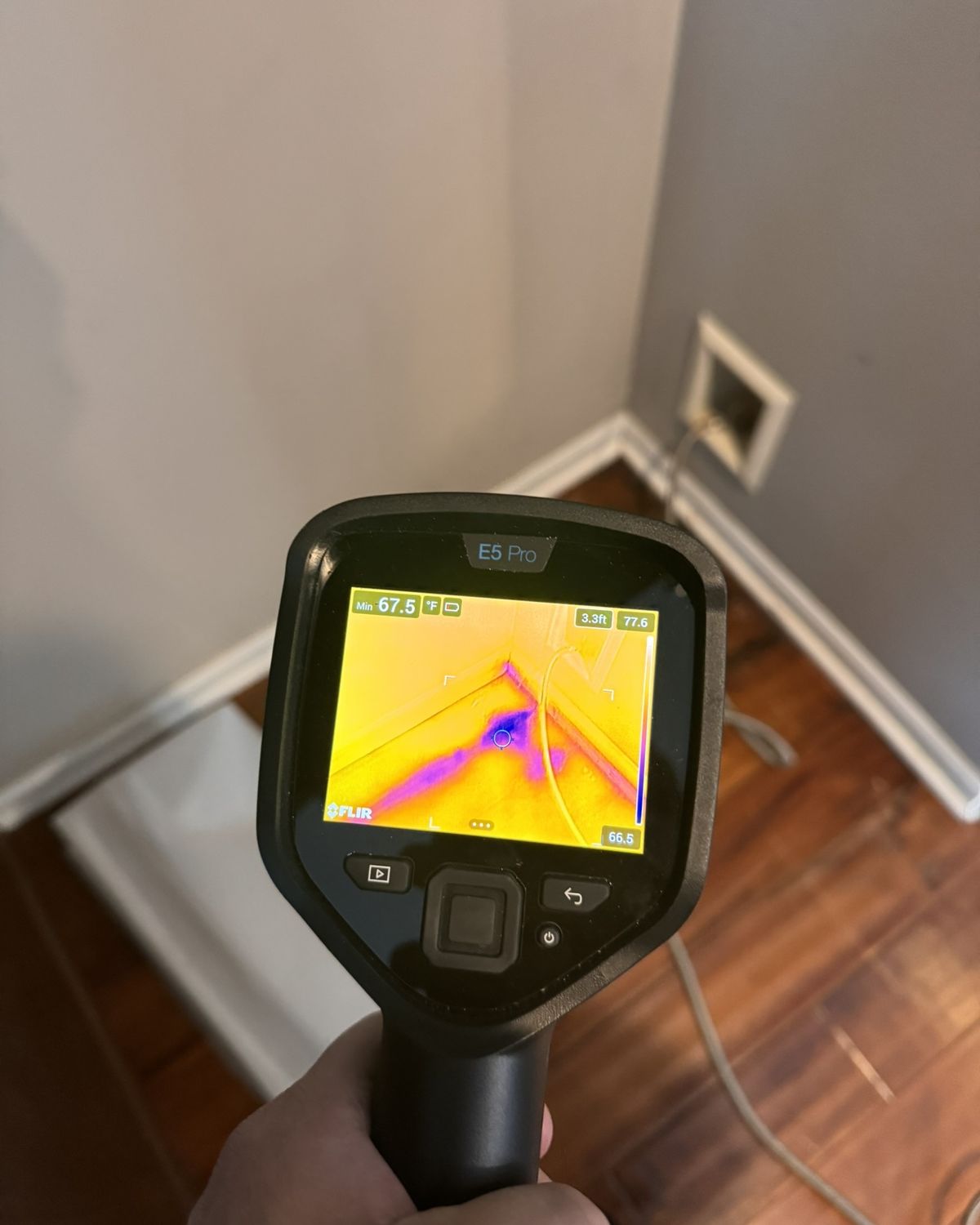
Some of that damage is easy to spot. Some of it is not. That is why moisture meters and thermal cameras matter. They help show where water went after the pipe thawed or broke, including places you cannot see without opening a wall.
When to Call a Water Damage Professional
A burst pipe inside a wall or ceiling often soaks insulation, drywall, and subfloor you cannot see. Call a pro if water reached a ceiling, wall cavity, carpet, or finished basement, or if you cannot tell how far it spread. That advice applies whether you are dealing with frozen pipes in Prior Lake after a short cold snap or after a longer stretch of sub-zero nights later in winter.
Timing matters. The U.S. EPA says that drying wet materials within 24 to 48 hours usually keeps mold from growing (see the EPA’s guide to mold, moisture and your home). Our IICRC-certified team follows industry drying standards, using moisture meters and thermal cameras to find hidden water, extraction equipment to remove it, and air movers and dehumidifiers to dry what is left. We take follow-up readings until materials are dry and keep a documented drying record. When drying is done, we handle repairs and reconstruction too.
Learn more about our water damage restoration in Prior Lake, see our Prior Lake service area page, or read about our full water damage restoration services for homes and businesses across the south metro.
How Professional Drying Works After a Burst
Homeowners often ask what happens after they call. Here is the plain-language version of the process we use when frozen pipes in Prior Lake have already caused a leak or a burst:
- Make the area safe. We confirm the water is shut off and check for electrical and structural concerns before work starts.
- Find the wet areas. Moisture meters and thermal cameras help map where water moved through floors, walls, and ceilings.
- Remove standing water. Extraction equipment pulls water out of carpet, pad, and hard surfaces so drying can start sooner.
- Dry the structure. Air movers and dehumidifiers pull moisture from wet materials. In some cases, a small section of wet drywall or trim needs to be opened so air can reach the cavity.
- Monitor and document. We take follow-up readings, keep a drying record, and share photos and moisture readings you can pass to your adjuster.
- Repair what was damaged. After materials are dry, we can handle reconstruction so you are not left coordinating every trade on your own.
Every home is different. A small kitchen-wall break is not the same job as a finished basement that took on water overnight. The goal is the same either way: stop the water, dry the building the right way, and leave you with a clear record of the work.
Insurance Tips After a Burst Pipe
Policies vary a lot. Many treat a sudden burst differently from a slow, long-term leak, and some have conditions about keeping a home heated. Only your insurance company can tell you what your policy covers. That is true for frozen pipes in Prior Lake and for every other south-metro city we serve. A few tips help either way:
- Call your agent or insurer early and ask how to start a claim.
- Take reasonable steps to stop more damage, like shutting off the water, and keep receipts for emergency supplies.
- Save the broken section of pipe if a plumber removes it, and do not throw out damaged items until they have been photographed or your adjuster says it is okay.
- Ask what documentation your insurer wants, then share the photos and moisture readings from the drying process.
We document the damage with photos and moisture readings you can share with your adjuster, and we can bill your insurance company directly. Coverage decisions are always up to your insurer.
Frozen Pipes in Prior Lake: Common Questions
How cold does it have to get for pipes to freeze?
There is no single number. Outdoor faucets, hoses, and pipes in unheated spaces are at risk once temperatures dip below freezing, while pipes inside a heated home are usually at risk only during longer, harder cold snaps or if the heat goes out. That is why a stretch of upper 20s nights is enough to create frozen pipes in Prior Lake around hose bibs and garages even when the living room feels fine.
My pipe thawed and there is no leak. Am I in the clear?
Keep an eye on it for a few days. A small crack can drip inside a wall without showing right away. Watch for stains, bubbling paint, a musty smell, or a water bill that jumps. If anything looks off, it is smarter to check early than to wait on hidden moisture.
Should I try to thaw the pipe myself?
If you can see the frozen section and reach it safely, the Red Cross method above is the usual DIY approach: open the faucet, warm the pipe gently, and never use an open flame. If the pipe is inside a wall, under a slab, or in a spot you cannot reach, call a licensed plumber. Once water is already in the structure, call a water damage team so drying starts within that 24-to-48-hour window.
Do you only help after a pipe bursts?
No. Prevention tips like the checklist above are for everyone. When frozen pipes in Prior Lake have already leaked or burst, we handle the water extraction, drying, monitoring, and reconstruction so the building is ready for repairs. Plumbing repairs to the broken pipe itself are a plumber’s job; drying and restoring the building after frozen pipes in Prior Lake are ours.
Do you serve Prior Lake?
Yes. PuroClean of Lakeville is based in the Lakeville area and serves the entire Twin Cities south metro, including Prior Lake, Savage, Shakopee, Credit River, Burnsville, and Lakeville, for homes and businesses. See our Prior Lake service area page for more on the communities we cover.
What if the water reached a finished basement?
Finished basements hide water in carpet pad, baseboards, and wall cavities. Even a short burst can leave moisture behind furniture or under a staircase. That is a common follow-on problem after frozen pipes in Prior Lake break on an upper floor and drain downward. Professional drying helps limit secondary damage and mold growth risk while the weather is still swinging between mild days and freezing nights.
A Quick Prior Lake Winter Prep Reminder
This week’s forecast is a classic Minnesota shoulder-season pattern: one more mild day, then mornings cold enough to surprise outdoor plumbing. You do not need a full remodel to get ready. Disconnect hoses, drain outdoor faucets, know where the shutoff is, and keep heat on in spaces with pipes. Those habits prevent most frozen pipes in Prior Lake before the deep cold of December and January, when multi-day arctic air is more common.
If you are heading out of town during a week when frozen pipes in Prior Lake are more likely, ask a neighbor or family member to check the house. A furnace that quits over a long weekend is one of the fastest ways a quiet home ends up with frozen pipes and a major cleanup. A quick walk-through after a cold night — outdoor faucets, garage, and any sink on an exterior wall — is often enough to catch a problem early.
Outdoor Plumbing and Cabins: Extra Care for Frozen Pipes in Prior Lake
Prior Lake has a mix of year-round homes and seasonal places near the water. That mix changes how frozen pipes in Prior Lake show up. A heated house with insulated walls can ride out a few cold mornings. A cabin that sat closed since Labor Day, or a lakeside porch with a sink that only gets used in summer, is a different story.
If you own or look after a seasonal property, walk the plumbing before the colder nights arrive. Confirm the heat is on and set above 55°F. Check that outdoor faucets are drained. Look for any hose still coiled and attached. Those small checks prevent many of the frozen pipes in Prior Lake calls that start with “we only use the place on weekends.”
Irrigation systems deserve their own note. A backflow preventer left full of water on the side of the house can crack in a single hard freeze. Blowing out the lines in fall is standard around here for a reason. If that step got skipped during the mild stretch, make it a priority before Thursday and Friday mornings drop into the 20s.
Why Fast Drying Matters After Frozen Pipes in Prior Lake Break
Water damage is not only about the mess you can see. Wet drywall, pad, and framing stay damp longer than people expect, especially when outdoor air is cold and the furnace is already working hard. That is why the EPA’s 24-to-48-hour drying window comes up so often after frozen pipes in Prior Lake cause a leak.
Moving furniture, pulling wet pad, and getting air movers in place early helps protect cabinets, trim, and flooring. It also gives your insurer a clearer picture of what was damaged by the burst itself versus what got worse because water sat. Our IICRC-certified process is built around that idea: find the moisture, remove the water, dry to a documented standard, then repair.
If you are unsure whether a stain is old or new, or whether a musty closet is from this week’s leak, it is worth a professional moisture check. A quick scan can confirm whether frozen pipes in Prior Lake left water inside a wall or whether the issue is something else entirely.
Burst Pipe in Prior Lake? Call PuroClean of Lakeville 24/7
If frozen pipes in Prior Lake let go this week or anytime this winter, you do not have to sort it out alone. One quick call gets a licensed and insured crew on the way, and we arrive on-site quickly with the latest drying technology. Call (952) 377-8477 any time, 24/7, or request a free estimate online.
Whether you need help with a small leak from outdoor plumbing or a larger loss after a burst inside the home, our team is ready for frozen pipes in Prior Lake and the surrounding south metro. We will focus on stopping the water, drying the structure, documenting the work, and helping you move from emergency to repaired rooms with clear next steps.

