


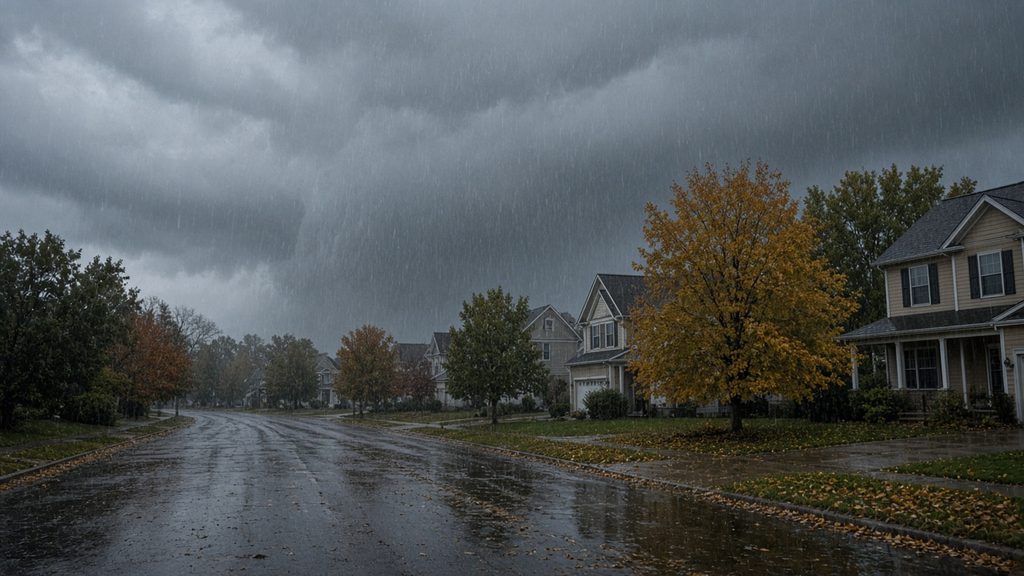
Twin Cities severe weather can swing from spring flooding to summer tornado warnings to a January deep freeze, sometimes all in the same year. For homeowners in Lakeville, Apple Valley, Eagan, Burnsville, Prior Lake, Farmington and Rosemount, being prepared means knowing what each season can do to your house and taking a few steps before it arrives. PuroClean of Lakeville handles water, mold and fire damage across the south metro, and these are the steps we’d recommend to our own families.
What Twin Cities Severe Weather Looks Like Through the Year
1. Heavy Rain and Flooding (Spring Through Fall)
- The risk: in the south metro, flooding usually comes from heavy rain, fast snowmelt on frozen ground, or rising water near the Minnesota River and local lakes and creeks. For most homes, that means water in the basement, not a flooded street.
- Get ready: clear gutters, extend downspouts, test your sump pump and keep valuables off the basement floor. Our guide to preventing flooding in your home walks through each step.
2. Tornadoes
- The risk: tornadoes are the most feared form of Twin Cities severe weather. Minnesota’s tornado season runs mainly from spring through summer, and tornadoes can form with little warning anywhere in the metro.
- Get ready: pick a safe spot in the basement or an interior room without windows, and make sure everyone at home knows to go there as soon as a tornado warning is issued. Minnesota’s annual Severe Weather Awareness Week each spring includes statewide tornado drills, which is a good time to practice.
3. Severe Thunderstorms, Hail and Lightning
- The risk: strong winds, hail and lightning can damage roofs, windows and siding, and open the door to water damage inside. Lightning can also start house fires.
- Get ready: secure patio furniture and grills, trim dead branches near the house, and check your roof and gutters after big storms. Small leaks often show up as ceiling stains days later.
4. Snowstorms, Ice Dams and Frozen Pipes
- The risk: winter is the slow, cold side of Twin Cities severe weather, with heavy snow, ice storms and stretches well below zero. Ice dams push water under shingles, and pipes in exterior walls can freeze and burst.
- Get ready: have your furnace serviced in the fall, insulate exposed pipes, disconnect garden hoses, and keep the heat on (55°F or higher) if you travel. Know where your main water shutoff is.
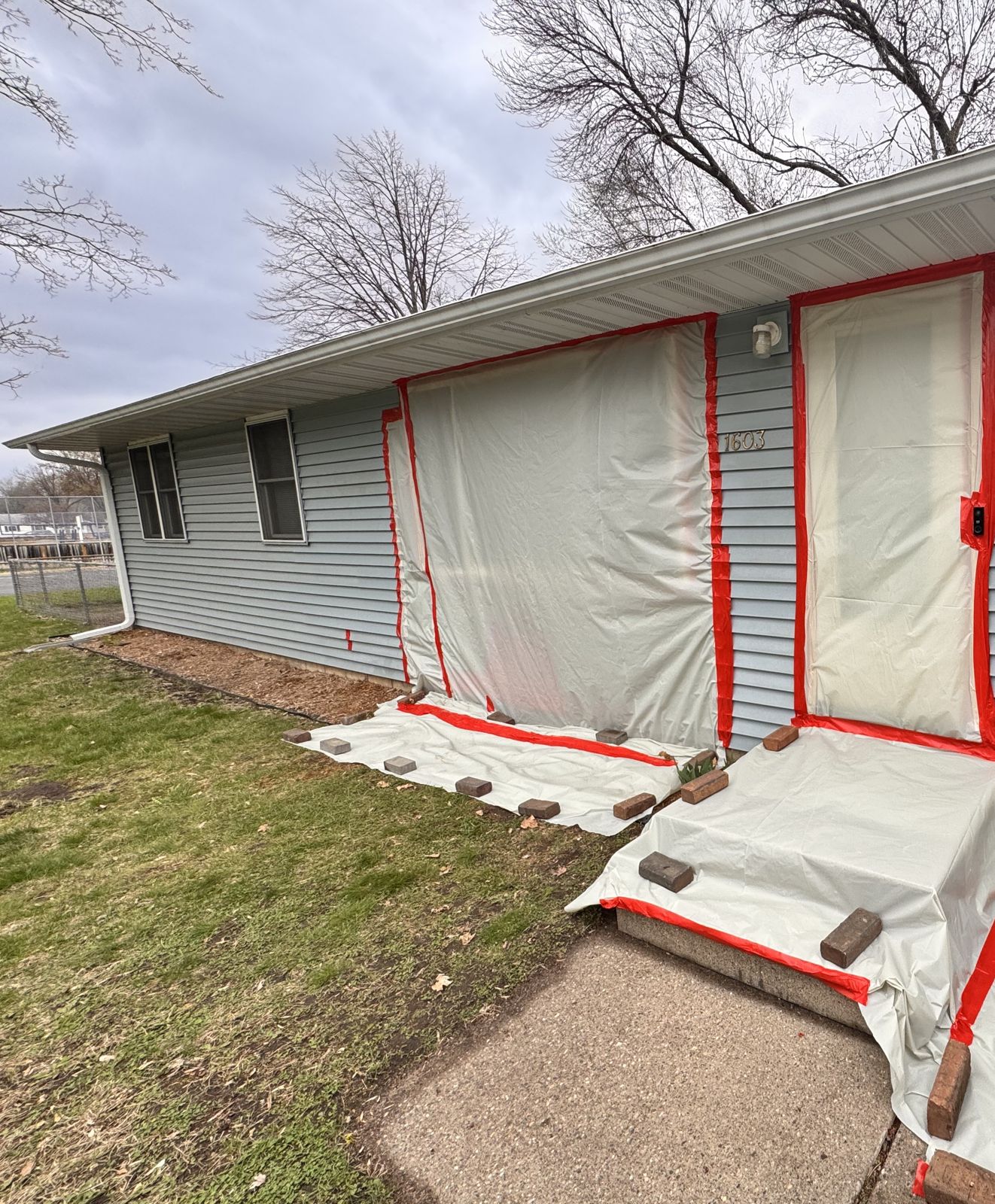
How to Prepare Your Home or Business for Twin Cities Severe Weather
A little planning goes a long way when Twin Cities severe weather is in the forecast. This checklist takes about an hour and works for homes and businesses alike:
- Make an emergency plan. Decide on a safe room, a meeting spot, and who calls whom. Ready.gov has a simple family emergency plan template.
- Turn on weather alerts. Follow the National Weather Service Twin Cities office, enable emergency alerts on your phone, or keep a battery-powered NOAA Weather Radio.
- Inspect your property. Look at your roof, windows, gutters and foundation each spring and fall, and fix small problems before storm season.
- Review your insurance. Ask your agent what your policy covers before the next round of Twin Cities severe weather. Flood and sewer backup coverage are often separate from a standard homeowners policy, and FloodSmart.gov explains flood insurance.
- Document your belongings. A quick video walk-through of each room, saved to the cloud, makes any future claim easier.
- Save our number. Put (952) 377-8477 in your phone so you aren’t searching for help in the middle of a storm.
After the Storm: Why the First 48 Hours Matter
When storm water gets inside after Twin Cities severe weather, time matters. The EPA advises drying water-damaged materials within 24 to 48 hours to prevent mold growth (see the EPA’s guide to mold and moisture). Before you start cleaning up:
- Stay out of standing water near outlets or appliances, and turn off power only if you can reach the panel from a dry spot.
- Take photos of the damage before anything is moved or thrown away.
- Move rugs, electronics and documents out of wet areas.
- Call a restoration professional if water has soaked carpet, drywall or insulation.
A Season-by-Season Storm Prep Checklist
Twin Cities severe weather follows the calendar, so it helps to spread your prep across the year:
- March to April: test the sump pump, move snow away from the foundation, and practice your tornado plan during Severe Weather Awareness Week.
- May to August: keep alerts on, clear gutters after storms, secure outdoor furniture, and check the roof after hail.
- September to November: clean gutters after leaves fall, disconnect hoses, service the furnace and check window wells.
- December to February: watch for ice dams, keep the heat at 55°F or higher when you travel, and know where your water shutoff is.
Small, regular checks like these do more to limit Twin Cities severe weather damage than any single big project.
How PuroClean of Lakeville Can Help After a Storm
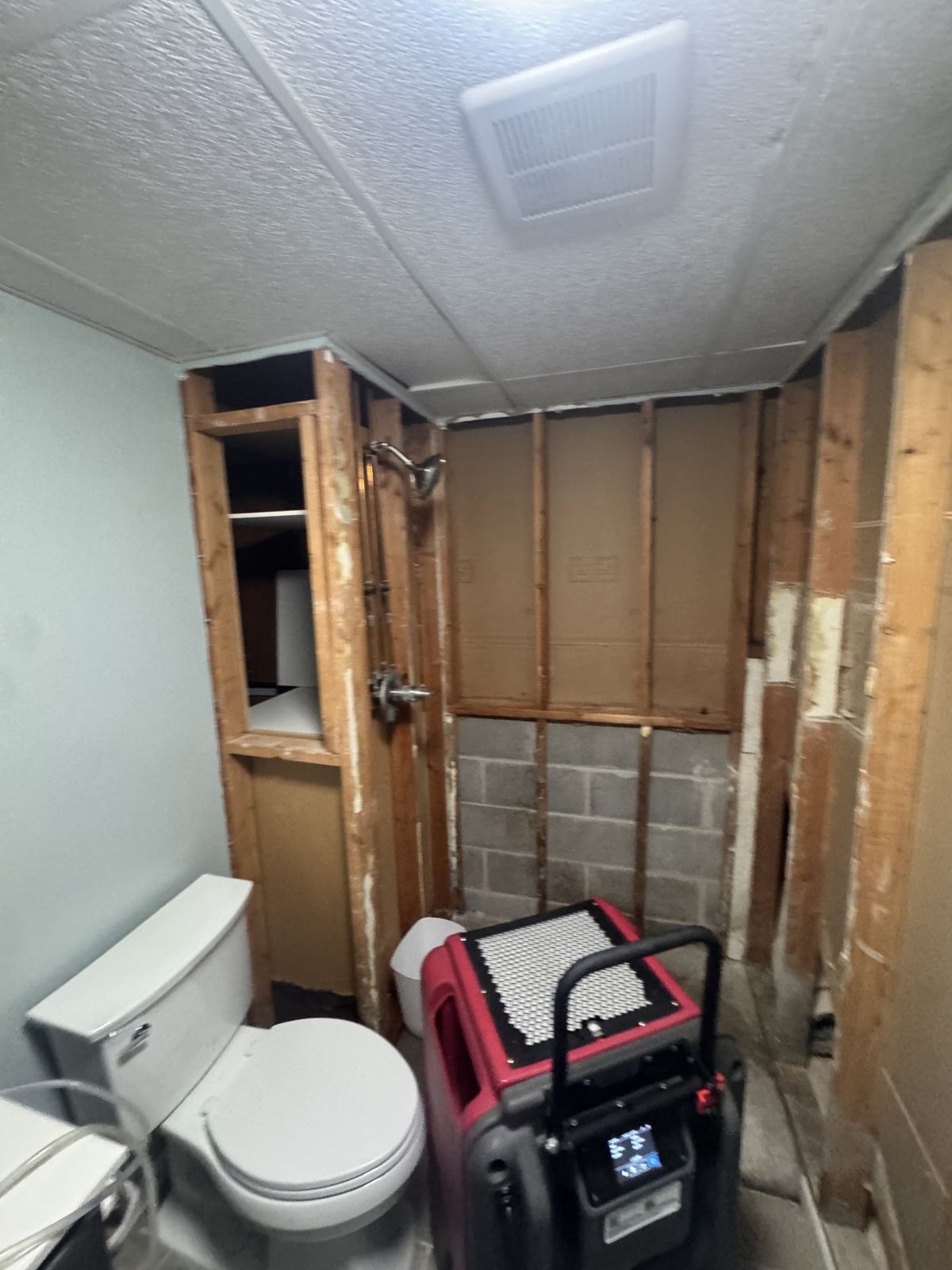
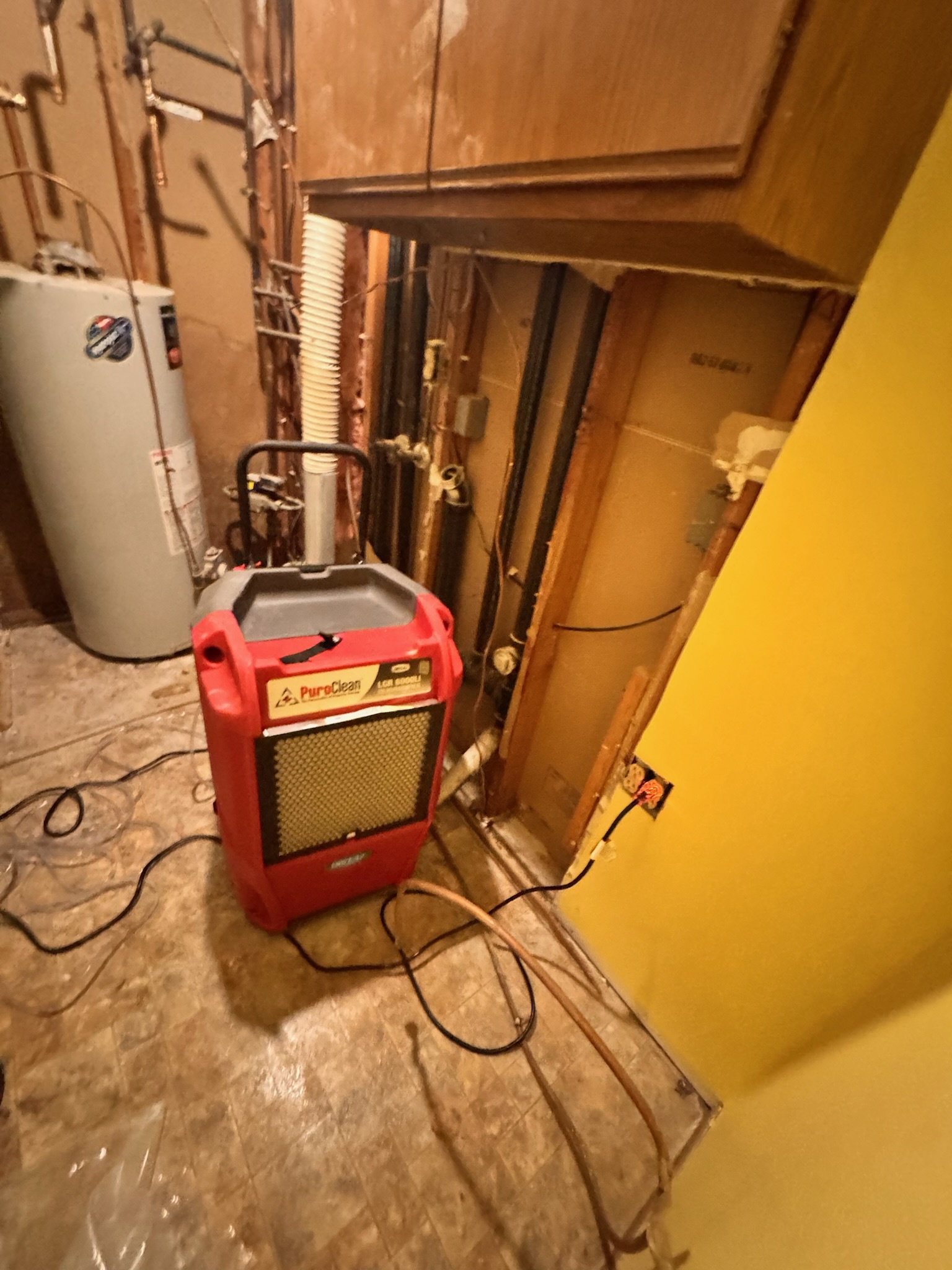
Our IICRC-certified technicians are available 24/7 for damage from Twin Cities severe weather across the south metro, from flooded basements to roof leaks. We can help with:
- Water extraction and drying after flooding, roof leaks, sump pump failures and burst pipes.
- Mold remediation when water wasn’t caught in time.
- Fire and smoke damage restoration, including fires caused by lightning.
- Sewage cleanup when heavy rain causes a sewer backup.
Business owners can find details on our commercial restoration page.
Watches vs. Warnings: Reading Twin Cities Severe Weather Alerts
The National Weather Service Twin Cities office in Chanhassen issues the watches and warnings for Dakota and Scott counties. Knowing the difference during Twin Cities severe weather helps you decide when to watch the sky and when to move.
- Watch: conditions are right for severe weather to develop. Review your plan, charge your phone and know where you will go. Nothing is happening yet.
- Warning: severe weather is happening or about to happen in your area. For a tornado warning, go to your safe spot now. The NWS explains each alert on its tornado watch and warning page.
Outdoor Sirens Are Not Enough on Their Own
In Dakota County, outdoor warning sirens sound a three-minute steady tone for tornado warnings and for severe thunderstorm warnings with winds expected to reach 70 mph or more. They are tested at 1 p.m. on the first Wednesday of each month (see Dakota County’s tornado guidance). Sirens are meant to warn people outdoors. Inside a closed house, especially at night, you may not hear them.
For Twin Cities severe weather at night, a NOAA Weather Radio or the emergency alerts on your phone are the better wake-up call. Make sure alerts are turned on in your phone’s settings, and keep the phone charged and near your bed during storm season.
Build a Basic Emergency Kit
When Twin Cities severe weather knocks out power or keeps you home, a basic kit means you are not running to the store at the worst time. Ready.gov’s emergency kit list recommends starting with:
- Water: one gallon per person per day for several days, for drinking and sanitation.
- At least a several-day supply of non-perishable food, plus a manual can opener.
- A flashlight, extra batteries and a battery-powered or hand-crank radio.
- A first aid kit, a supply of prescription medicines and any medical supplies.
- Phone chargers and a backup battery.
- Copies of important documents, including your insurance policy, in a waterproof bag.
Minnesota adds a winter layer. Keep extra blankets and warm clothing at home, and a winter survival kit in your car with a scraper, boots, a blanket and snacks. Store your kit where you would shelter.
Staying Safe During Power Outages
Power outages are a common side effect of Twin Cities severe weather, whether from summer storms, ice or high winds. They can last hours or days and bring their own risks, and some of them are easy to overlook:
- Use generators outdoors only. Ready.gov says generators, camp stoves and charcoal grills should always be used outdoors and at least 20 feet from windows. Never run one in a garage, even with the door open. Carbon monoxide can build up quickly and you cannot smell it.
- Install CO detectors with battery backup on every level of your home.
- Keep the fridge and freezer closed. According to Ready.gov’s power outage guidance, a refrigerator keeps food cold for about four hours and a full freezer holds its temperature for about 48 hours. Throw out food that reaches 40°F or higher.
- Never heat your home with a gas stove or oven.
Your Sump Pump Needs Power Too
This outage risk is easy to miss. The same Twin Cities severe weather that drops heavy rain can knock out the power that runs your sump pump. Once the pump stops, the pit can fill and overflow within hours. Ask a plumber about a battery backup pump or another backup option, and test it each spring. If you have a generator, plan in advance how you will power the pump safely.
Protecting Your Basement Before the Next Storm
In Lakeville, Apple Valley, Burnsville and Prior Lake, storm water often ends up in the basement. A few checks before Twin Cities severe weather arrives can make a big difference:
- Test the sump pump. Slowly pour a bucket of water into the pit and make sure the pump turns on, empties the pit and shuts off.
- Check the discharge line. It should carry water well away from the foundation. In winter, make sure it is not frozen or blocked by snow.
- Clear window wells and floor drains of leaves and debris.
- Ask about a backwater valve. If your home has had a sewer backup, a plumber can tell you whether a backwater valve makes sense. Our article on the causes of sewage backup explains why backups happen during heavy rain.
- Raise what matters. Store keepsakes, documents and electronics on shelves or in plastic bins, not cardboard boxes on the floor.
For more detail, see our guide to basement flooding in Minnesota.
Winter Storms: Frozen Pipes and Ice Dams
Blizzards and deep cold count as Twin Cities severe weather too, and they cause some of the most expensive water damage we see. A pipe that freezes in an exterior wall can split and then leak for hours once it thaws, often while the family is at work or away.
If You Think a Pipe Is Frozen
- Turn on the faucet. Water flowing through the pipe helps it thaw.
- Warm the pipe with a hair dryer, a space heater kept a safe distance away, or warm towels. Never use an open flame, such as a torch.
- If you cannot find or reach the frozen spot, or the pipe has already split, shut off the main water valve and call a plumber.
The National Weather Service’s winter safety page has more on preparing for extreme cold.
Ice Dams
Ice dams form when heat escaping through the roof melts snow, which then refreezes at the colder eaves. Water backs up behind the ice and can leak into ceilings and walls. Stains on upstairs ceilings or near exterior walls after a thaw are a common sign. Safely removing snow from the lower edge of the roof with a roof rake can help. Ask a roofer about longer-term fixes like attic insulation and ventilation.
Documenting Storm Damage for Insurance
We work with insurance companies on many jobs after Twin Cities severe weather. Your policy and your insurer decide what is covered, but good records make the claim easier for everyone:
- Photograph everything first. Take wide shots of each room and close-ups of damage before anything is moved.
- Take reasonable steps to prevent more damage when it is safe, like moving belongings out of wet areas, and keep receipts for anything you buy.
- Keep damaged items until your adjuster says you can discard them, or photograph them well if they must go.
- Know your flood coverage. Flood insurance is usually a separate policy, and FloodSmart.gov notes that new National Flood Insurance Program policies typically have a 30-day waiting period. Buy it before Twin Cities severe weather season, not during it.
- Watch out for storm chasers. After big storms, the Minnesota Attorney General warns about home repair scams: no written estimate, high-pressure sales and large upfront payments are red flags.
On our jobs, our crews move furniture off wet floors, record moisture readings and make follow-up visits to check moisture levels until things are dry. You can share those readings and photos with your adjuster. Our article on restoration insurance claims covers the process in more detail.
Storm Planning for Businesses
Property managers and business owners in Eagan, Burnsville, Savage and the rest of the south metro have extra people to protect. Before the next round of Twin Cities severe weather:
- Choose a shelter area for employees and customers, and post the route.
- Assign someone to watch for Twin Cities severe weather alerts during business hours.
- Label water, gas and electrical shutoffs and make sure more than one person knows where they are.
- Keep emergency contacts, including (952) 377-8477, where after-hours staff can find them.
Ready.gov’s business preparedness page has free planning tools, and our commercial restoration page explains how we help businesses after a loss.
Checking Your Home After a Storm
Once the storm has passed and officials say it is safe to go out, walk around your home in daylight. Damage from Twin Cities severe weather is not always obvious on day one.
- Outside: look for missing or lifted shingles, dented gutters and vents, cracked siding, broken window seals and branches on the roof. Stay well away from downed power lines and report them to your utility.
- Inside: check ceilings, the tops of exterior walls and around windows for new stains. Look in the attic with a flashlight for wet insulation or daylight through the roof deck.
- Basement: look for damp carpet edges, water near the floor drain and a sump pump that is running more than usual.
Small roof leaks from hail can take days to show up as a ceiling stain. Our article on hail and water damage explains what to look for.
Watch for Mold in the Weeks After the Storm
Any water that soaks into drywall, carpet pad or insulation after Twin Cities severe weather can lead to mold if it is not dried. The EPA advises drying wet materials within 24 to 48 hours. A musty smell, new spots on walls or a damp feel weeks later are signs that something stayed wet. If you notice them, our mold remediation team can inspect the area and measure moisture before anything is torn out.
Frequently Asked Questions
When is severe weather season in the Twin Cities?
Thunderstorms, hail and tornadoes are most common from late spring through summer, but Twin Cities severe weather happens all year. Heavy rain can come in fall, and winter brings blizzards, ice and extreme cold.
What should I do first if storm water gets into my basement?
Stay away from standing water near outlets, take photos, move valuables out of the wet area and call a restoration company to start drying. Then call your insurance agent to report the damage.
How do I find out about weather warnings for my city?
Turn on emergency alerts on your phone and follow the National Weather Service Twin Cities office, which issues watches and warnings for Dakota and Scott counties.
Stay Safe This Storm Season
We serve Lakeville, Apple Valley, Eagan, Burnsville, Prior Lake, Savage, Farmington, Rosemount and nearby south metro communities from our office in Rosemount. If Twin Cities severe weather damages your home or business, call (952) 377-8477 any time, day or night.

