


24/7 Call or Text 651-329-5436
Fire and Smoke Damage Restoration Savage MN for Bluff, Valley and Newer Homes
Fire and smoke damage restoration Savage MN from PuroClean of Lakeville covers everything a fire leaves behind: openings to secure, soot to clean, smoke odor to remove and water to dry. Our IICRC-certified team is licensed and insured and gives free estimates. We are based in the Lakeville area and serve the entire south metro, Savage included. See our main fire and smoke damage restoration page for how we work.
Smoke, soot or water from firefighting in your Savage property? Call (952) 377-8477, day or night. Licensed and insured, with free estimates.
From the Village of Hamilton to a Growing Suburb
Savage grew fast. The Metropolitan Council notes that the town incorporated in 1892 as the village of Hamilton and was renamed for Marion Savage, owner of the racehorse Dan Patch. About 4,000 people lived here in 1980; by 2000 the population had grown to 21,000, helped by Highway 169 and the Bloomington Ferry Bridge.
That means much of the city’s housing went up after 1980. Those homes are now old enough that original wiring devices, appliances, furnaces and water heaters are reaching the end of their service life. The Minnesota State Fire Marshal reports that electrical malfunction was the second-most common known cause of residential fires in 2024, ahead of heating for the second year in a row.
Fire and Smoke Damage Restoration Savage MN in Split-Levels and Walkouts
Savage sits on the Minnesota River bluff, and the city’s 2040 Comprehensive Plan describes a major bluff roughly following McColl Drive, with most of the city draining to the river. On sloped lots, walkout and split-level designs are common.
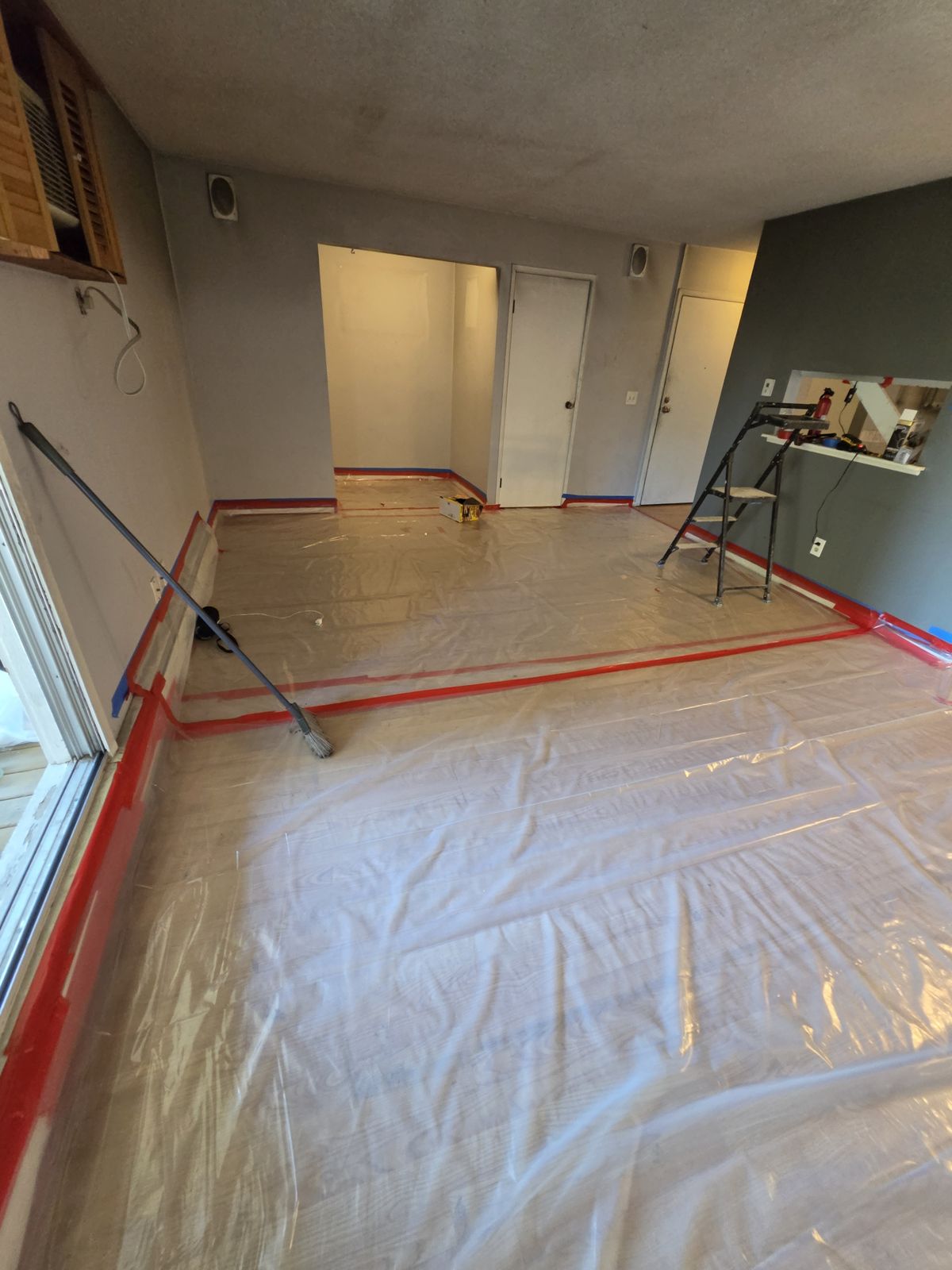
Those layouts matter in a fire. A lower-level fire in a split-level can send smoke up two short stair runs into every level at once. In a walkout, smoke rising from the lower level fills the main floor and the bedrooms above. Fire and smoke damage restoration Savage MN in these homes means checking all levels and the attic, even when the burn damage is in one room.
Firefighting Water on Lower Levels
Water used to fight a fire on the main floor runs down into the level below. In a home with a finished lower level, that can mean wet carpet, drywall and insulation, plus soot-stained water in the ceiling. The U.S. Fire Administration notes that belongings may be soggy with water used to put out a fire.
We treat that water as part of the job from the first visit. Wet materials are extracted and dried, and materials that cannot dry in place are removed. Moisture readings decide when drying is finished. Then soot cleaning, odor removal and repairs can follow, all under one fire and smoke damage restoration Savage MN plan.
A Working River Port
The same Met Council profile describes Savage as a working port city on the Minnesota River for bulk cargo, with corn, grain, aggregates, fertilizer and salt moving through six ports run by five companies. Port, industrial and commercial buildings bring their own fire risks: equipment, stored materials and large open spaces where smoke spreads across high ceilings and stock.
For business owners, we board up, clean structure and contents, remove odor and handle repairs, with documentation for owners and insurers. We plan work in phases where possible so unaffected areas can keep running, and we help restore operations quickly.
Where Smoke and Soot Hide in Savage Homes
Stairwells between levels
Open stairs in split-levels act like chimneys for smoke. Walls and ceilings along the stair path usually carry the heaviest residue outside the fire room.
Lower-level ceilings
Finished ceilings below a fire collect both smoke and firefighting water, and insulation above them can stay wet and smoky.
Furnace and ductwork
A furnace running during the fire pulls smoke into the returns and spreads it through the house.
Garage and storage areas
Stored items in garages and utility rooms absorb smoke and should be sorted before anything is thrown away.
What to Do First After a Fire
Start with safety. USFA’s “After the Fire” guide reminds owners that floors and walls may not be as safe as they look, and that the fire department decides when a building can be entered. Contact your insurer right away and save receipts for anything you spend. A fire and smoke damage restoration Savage MN crew can secure the building and photograph the damage before cleanup starts, which helps with your claim.
Soot, Smoke and Hidden Residue
Not all residue looks the same. Some soot is dry and powdery, some is oily and smeared, and some is a thin film you only notice when you wipe a wall. Each type needs a different cleaning method, and using the wrong one can spread it. We test surfaces before cleaning, then choose the method. The U.S. Fire Administration notes that anything you want to save will need careful cleaning, which is the heart of fire and smoke damage restoration Savage MN.
When Hoses and Sprinklers Leave Water Behind
Firefighters use whatever water it takes, and the U.S. Fire Administration notes that it often leaves belongings soggy. Water runs down through floors, collects in ceilings and soaks the lower level. We remove standing water, open materials that cannot dry in place and set up drying equipment, then confirm with moisture readings. Visit our Savage restoration services page for details, or our Savage mold remediation page if mold shows up later. That drying work is part of fire and smoke damage restoration Savage MN, not a separate project.
Keeping Weather and Intruders Out
Minnesota weather does not wait for an insurance adjuster. An open roof in January lets snow pile into attic insulation; an open window in summer lets rain soak the floor. We board up and tarp to stop that, and we document the openings before covering them. The U.S. Fire Administration recommends securing the home so no one can get in. Securing the building is the first job in fire and smoke damage restoration Savage MN.
Why Smoke Smell Lingers and How We Remove It
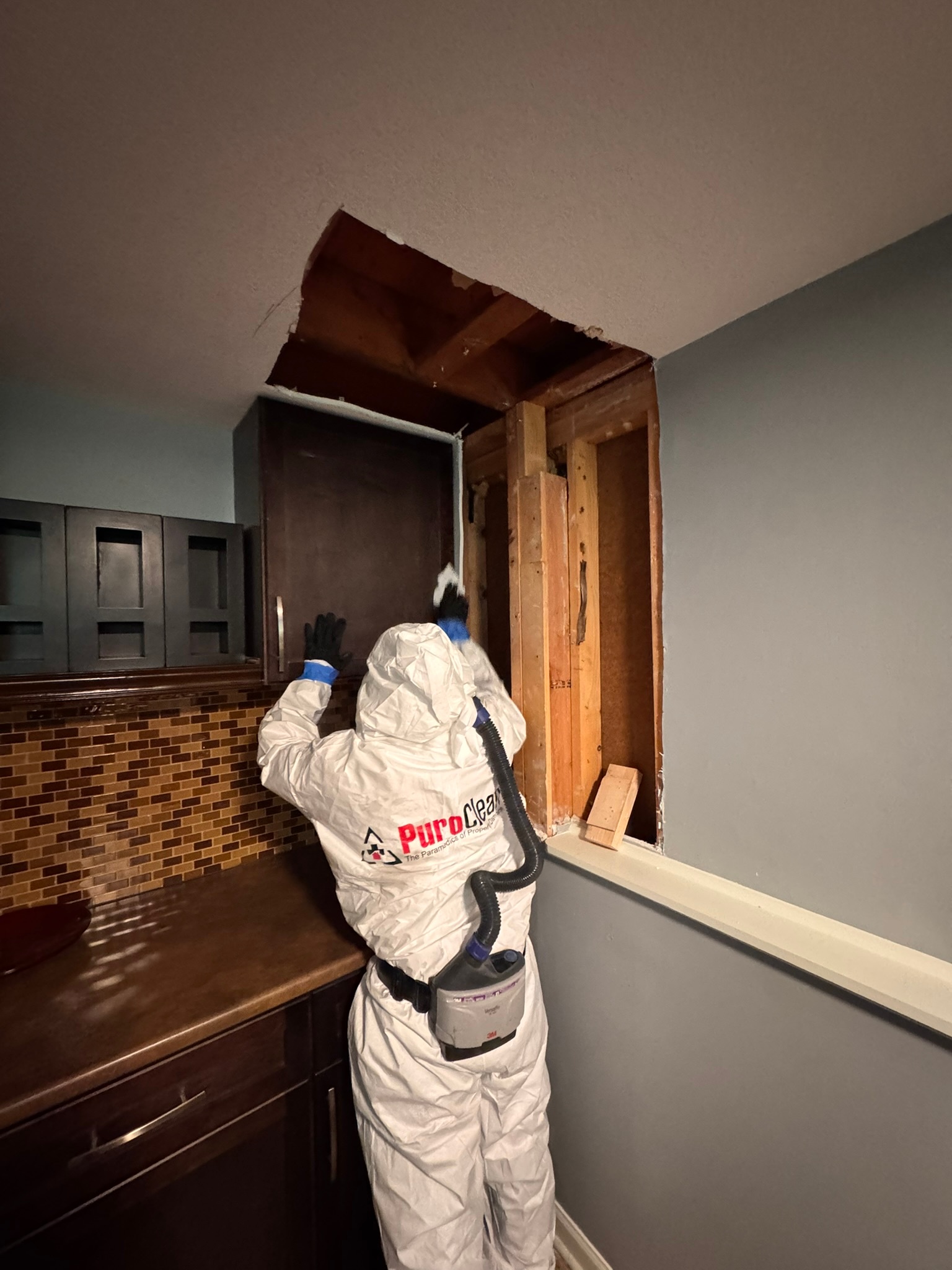
If a house still smells like smoke after a surface cleaning, residue remains somewhere: inside wall cavities, in attic insulation, in carpet pad or in ductwork. We track down those sources first. Then we deodorize with the latest technology, matched to the materials: filtration to capture airborne particles, fogging that reaches into porous surfaces and treatments that break down odor compounds. Odor removal is included in every fire and smoke damage restoration Savage MN scope we write.
Don’t Forget the Furnace and Ducts
Residue in the ducts is one of the main reasons odor returns weeks after cleanup. We look at supply and return lines, registers and the air handler. Filters are replaced, and ducts are cleaned before the system goes back into regular use. Cleaning the HVAC system is a standard step in our fire and smoke damage restoration Savage MN process.
Pack-Outs and Contents Cleaning
Many belongings can be saved. During a pack-out, we inventory items, move salvageable contents out of the damaged area and clean them while the structure is restored. Dishes, hard furniture, many textiles and some electronics can often be restored. Items that cannot be saved are photographed and listed for your insurance company before disposal. Contents work is often the most personal part of fire and smoke damage restoration Savage MN.
The Steps We Follow for Fire and Smoke Damage Restoration Savage MN
Step 1: Inspection
A technician documents the damage with photos and notes, tests soot and checks moisture.
Step 2: Emergency services
Board-up, tarping and water removal happen first.
Step 3: Demolition where needed
Only materials that cannot be cleaned are removed, which keeps repair costs down.
Step 4: Cleaning and odor control
Walls, ceilings, floors, ducts and contents are cleaned, then deodorized with equipment suited to the space.
Step 5: Rebuild
Drywall, insulation, paint and flooring are replaced by our reconstruction crew.
What EPA Says About Smoke Particles
EPA says fine particles are the biggest health threat from smoke and that people with heart or lung disease, older adults and children deserve extra care. We follow that advice on the job: containment, HEPA filtration and protective gear. If anyone in your household has health concerns about smoke exposure, talk with a health care provider. Protective gear and filtration are standard in our fire and smoke damage restoration Savage MN work.
Common Cleanup Mistakes
The most common mistakes we see: painting over smoke stains, using a regular shop vacuum on fine soot, which can blow particles back into the air, washing ceilings with a soaking-wet sponge and throwing out belongings before they are documented. The U.S. Fire Administration recommends keeping receipts and records for your insurer, and photos of damaged items help too. Avoiding these mistakes keeps fire and smoke damage restoration Savage MN simpler and less costly.
Kitchen Fire Cleanup
Many fire calls start on a stovetop. The Minnesota State Fire Marshal reports cooking as the leading known cause of residential fires, 38 percent of the total in 2024. NFPA notes that ranges and cooktops account for over half of home cooking fires. Even when the fire department finds only a small fire, smoke from burned food can spread through the house and settle into fabrics. Smoke from food is often what fire and smoke damage restoration Savage MN spends the most time on.
When Wiring and Appliances Start Fires
Overloaded cords, damaged outlets and aging appliances can all start fires. In Minnesota, electrical malfunction ranked second among known causes of residential fires in 2024, according to the Minnesota State Fire Marshal. Burning plastic leaves a dark, oily soot. Before fire and smoke damage restoration Savage MN begins in an electrical fire area, the circuit should be checked and made safe by a licensed electrician.
Space Heaters, Furnaces and Fireplaces
Fireplace and chimney fires are a small share of heating fires, but NFPA says they cause nearly one-fifth of the property damage from heating fires. Wood stoves and fireplaces need yearly inspection and cleaning, as the U.S. Fire Administration recommends. A chimney fire can push smoke and soot through an entire house even when flames stay in the flue. After a chimney fire, fire and smoke damage restoration Savage MN focuses on the rooms the soot reached.
Holidays, Candles and Decorations
Candles cause a small share of home fires but a high rate of injuries, according to NFPA. Over a third of candle fires start in bedrooms. NFPA advises blowing out candles before leaving a room or going to sleep and considering flameless candles. Candle soot is also a common reason for fire and smoke damage restoration Savage MN even without a fire, because it darkens walls and ceilings over time.
When Smoke Comes From Far Away
Smoke from wildfires hundreds of miles away has become a regular part of Minnesota summers. The Minnesota Pollution Control Agency counted a record 52 air quality alert days in 2023. During alerts, EPA recommends keeping windows closed, setting the HVAC system to recirculate and using a high-efficiency filter such as MERV 13 if the system can take it. If odor or ash lingers after an event, cleaning the ducts and soft surfaces can help. When that happens, we handle it like light fire and smoke damage restoration Savage MN.
Test Your Alarms
Press the test button once a month. NFPA says a chirp every 30 or 60 seconds means a low battery, and chirping after a new battery means the alarm has reached the end of its life. Minnesota law requires CO alarms within 10 feet of sleeping rooms, and the State Fire Marshal recommends replacing those every five to seven years. We can point out missing alarms during fire and smoke damage restoration Savage MN walk-throughs.
For Offices, Stores and Rental Properties
Savage has river ports, industrial employers and warehouses, plus offices, shops and apartments.
Our commercial fire and smoke damage restoration Savage MN covers offices, retail, rental and multi-unit buildings and industrial or warehouse space. We plan containment so unaffected areas stay open when possible and keep property managers updated with photos and readings.
Fire Claims and Documentation
Good records make a fire claim easier. We photograph every affected room, inventory contents and keep notes on what was removed and why. We bill insurance directly when your insurer allows it. Coverage is always the insurer’s decision, and we never promise what a policy will pay for. Documentation is built into our fire and smoke damage restoration Savage MN process.
Paperwork That Helps
Keep a folder for everything: the fire report number, receipts and correspondence with your insurer, as the U.S. Fire Administration recommends. We add our own records of the fire and smoke damage restoration Savage MN work so your claim has a complete picture.
Fire Prevention Tips for Savage Households
- Have aging electrical outlets, switches or panels checked by a licensed electrician.
- Test smoke alarms monthly, including the lower level (NFPA).
- Keep a 3-foot clear zone around space heaters (USFA).
- Clear snow from furnace and dryer vents (State Fire Marshal).
- Never leave a stovetop unattended while frying.
- After a fire, call your insurer first, then us.
Typical Timelines
Board-up and water removal usually happen first. Soot cleaning and deodorization follow, then repairs and reconstruction. The total time depends on damage, materials and approvals. We explain each stage at the start and keep you posted, so you know what to expect. Clear stages make fire and smoke damage restoration Savage MN easier to plan around.
Getting Back to Normal
Returning home is the goal of every job. Contents come back from cleaning and storage, rooms are repainted and flooring is replaced. We confirm the work with you in a walk-through, and we answer questions about anything that was replaced or cleaned during fire and smoke damage restoration Savage MN.
More Ways We Help Savage Property Owners
Along with fire and smoke work, our team provides water damage restoration, mold removal and remediation, biohazard cleanup and commercial restoration services. Our residential restoration services page lists everything we do for homes. Each service works alongside fire and smoke damage restoration Savage MN when needed.
Our Commitment
Our commitment to excellence shows in the details: documented readings, labeled contents and clean work areas. We are licensed, insured and IICRC-certified, and we work throughout Minnesota. We apply that commitment to every fire and smoke damage restoration Savage MN project.
More Cities We Cover
We also serve Burnsville, Prior Lake, Shakopee and Credit River. See every city on our service areas page.
Fire and Smoke Damage Restoration Savage MN FAQ
My Savage home had a small electrical fire. Do I need professional cleanup?
Possibly. Electrical fires often burn plastics and wiring insulation, which leave residue and odor that can spread beyond the outlet or panel. We can assess how far smoke traveled and give you a free estimate.
Do you clean smoke from finished lower levels?
Yes. We clean walls, ceilings and contents, dry any firefighting water and remove odor from carpet, pad and insulation as needed.
Will painting over smoke stains fix the smell?
No. Odor comes from residue in the materials. Paint can bleed through and the smell can return. The residue has to be cleaned or removed first, and sealing comes after.
Do you offer free estimates?
Yes. Every estimate is free, and we explain the scope in plain language before work starts.
Do you provide emergency board-up?
Yes. We answer 24/7 and arrive on-site quickly to board up openings and tarp roofs once the fire department releases the building.
Do you work with my insurance company?
Yes. We work with insurance companies, document the damage and can bill your insurer directly. Your insurer decides what is covered.
Get Help Now
Call (952) 377-8477, 24/7, or send us a message. Estimates are free. We provide fire and smoke damage restoration Savage MN around the clock.

