


A burst supply line at 2 a.m. does not wait for business hours, and neither does water damage. When people search for emergency water extraction Las Vegas services, they are usually standing in wet carpet, hearing drywall drip, or wondering how far the water has already traveled behind the walls. In that moment, speed matters, but so does doing the job correctly.
Water extraction is the first critical step in reducing damage after a flood, appliance leak, roof intrusion, or plumbing failure. Removing visible water quickly helps, but the real challenge is stopping moisture from settling into flooring, baseboards, cabinets, insulation, and structural materials. If the response is delayed or incomplete, what starts as a manageable cleanup can turn into warped materials, odors, mold growth, and a much more expensive restoration.
Why emergency water extraction in Las Vegas needs a fast response
Las Vegas is known for dry conditions, but indoor water damage can still escalate quickly. A slab leak, overflowing toilet, broken water heater, or failed sprinkler line can release a surprising amount of water in a short time. In commercial properties, even a small water loss can interrupt operations, affect tenant spaces, or create safety hazards for staff and customers.
Fast extraction limits how long water sits on surfaces and how deeply it penetrates porous materials. Carpet padding, drywall, wood flooring, and cabinetry begin absorbing water almost immediately. The longer those materials stay saturated, the lower the odds of saving them. Early action can make the difference between drying in place and a larger demolition project.
There is also a health and sanitation question. Not all water losses are the same. Clean water from a supply line is different from gray water from an appliance discharge or black water from sewage backup. If contaminated water is involved, extraction must be paired with proper containment, disposal, cleaning, and the use of EPA-registered disinfectants where appropriate. That is not a situation for guesswork.
What professional water extraction actually includes
Many property owners assume extraction means vacuuming up standing water and setting out a few fans. Professional restoration is more precise than that. The process begins with inspection and moisture mapping to identify where water traveled and what materials are affected. Moisture meters, thermal imaging, and other diagnostic tools help locate hidden wet areas that are not obvious from the surface.
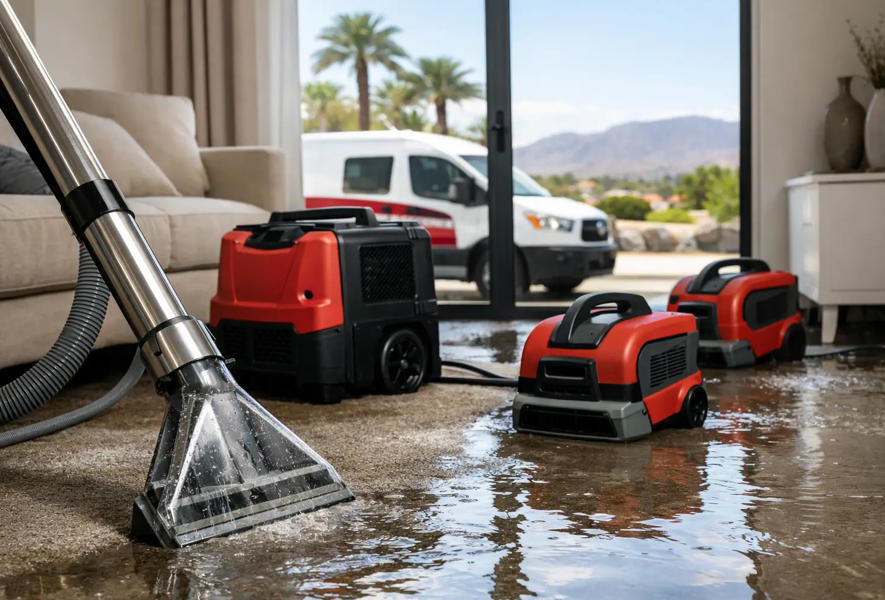
Next comes water removal using commercial-grade extraction equipment. Depending on the loss, that may include truck-mounted extractors, portable extraction units, submersible pumps, and specialty tools for carpet, hardwood, and tight spaces. The goal is to remove as much liquid water as possible before drying begins.
After extraction, the focus shifts to controlled structural drying. Air movers help circulate air across wet surfaces, while dehumidifiers pull moisture from the air and affected materials. In some situations, technicians may use cavity drying methods for wall voids, under cabinets, or within flooring systems. This step matters because water damage does not end when the puddles are gone.
Cleaning and sanitation may follow, especially in losses involving contaminated water. Odor control can also be necessary if moisture has sat long enough to affect soft materials or enclosed spaces. The right response depends on the source of the water, how long it has been present, and what building materials were exposed.
Emergency water extraction Las Vegas property owners should expect
If you need emergency water extraction Las Vegas technicians should be able to do more than arrive quickly. They should explain what type of water loss you are dealing with, what materials are likely salvageable, and what the next 24 to 72 hours will look like.
A dependable response usually includes an initial assessment, immediate mitigation to stop ongoing damage, and a documented drying plan. That plan should be adjusted as moisture readings change. Some jobs dry quickly. Others require removal of compromised materials or more targeted drying strategies in concealed spaces. It depends on the source of loss, the category of water, and how soon mitigation began.
Communication matters just as much as equipment. During a water emergency, homeowners and managers need clear answers. Has the leak been contained? Can the flooring be saved? Is the affected area safe to occupy? Will insurance documentation be provided? A strong restoration partner helps reduce uncertainty while moving the project forward.
Common mistakes that make water damage worse
One of the biggest mistakes is waiting to see if materials will dry on their own. Surface drying can be misleading. Carpet may feel less wet after a few hours, while the pad underneath remains saturated. Drywall can look intact while moisture continues to wick upward behind paint and baseboards.
Another common issue is using household fans without a proper drying strategy. Air movement alone can spread humidity through the property and make conditions worse if dehumidification is not handled correctly. This is especially true in enclosed rooms, commercial suites, or areas with limited ventilation.
People also underestimate how often water reaches hidden spaces. Cabinets, toe kicks, wall cavities, and subfloors can retain moisture long after visible water is removed. If those areas are not tested and addressed, lingering dampness can lead to odors, material breakdown, and mold.
Finally, not every water loss should be approached as a standard cleanup. If the source involves sewage, toilet overflow with contamination, or other unsanitary conditions, the response must include protective protocols and disinfection procedures. Safety comes first.
What to do before the restoration team arrives
If it is safe to do so, shut off the water source or electricity to affected areas as needed. Move valuables, documents, electronics, and small furniture out of the wet zone. If water is coming from overhead, avoid standing under sagging ceilings or entering rooms where fixtures and electrical hazards may be present.
Take photos if you can do so safely. Documentation can help with insurance and establish the condition of the property before mitigation begins. Avoid using a regular household vacuum to remove water, and do not walk through contaminated water without proper protection.
Most importantly, call for professional help early. The first few hours matter more than many people realize. Rapid extraction and drying are often what protect the rest of the structure from becoming part of the loss.
Residential and commercial needs are not always the same
In homes, the priorities are often protecting flooring, walls, personal belongings, and indoor air quality while keeping disruption as low as possible. Families need to know what areas are usable, whether materials can be restored, and how long drying will take.
Commercial properties bring different pressures. Property managers may be coordinating tenant concerns, after-hours access, and insurance requirements. Business owners may be balancing cleanup with inventory protection, employee safety, and downtime. In those cases, emergency extraction is not just about water removal. It is about preserving operations and limiting interruption.
That is why experience matters. A trained restoration team can tailor the response to the property type, moisture conditions, and urgency of the situation. PuroClean of East Las Vegas approaches water losses with that reality in mind, combining rapid response, advanced drying equipment, and a guided recovery process that helps customers move from immediate crisis to stable next steps.
The value of a guided recovery process
Good restoration service does not end with equipment placement. The best outcomes usually come from a process that includes inspection, extraction, drying, monitoring, documentation, and clear communication throughout. That structure helps property owners understand what is happening and why certain decisions are being made.
There can be trade-offs. In some cases, opening a wall or removing a section of flooring early can prevent a broader loss later. In others, targeted drying may save materials that seemed beyond recovery at first glance. An experienced team knows when to preserve, when to remove, and how to explain that decision clearly.
Water emergencies are stressful because they disrupt normal life fast. The right response should reduce that stress, not add to it. If your property is taking on water, the priority is not just getting it dry on the surface. It is making sure the damage is identified, contained, and handled thoroughly enough that you can move forward with confidence.
#purocleanofeastlasvegas #waterdamage