


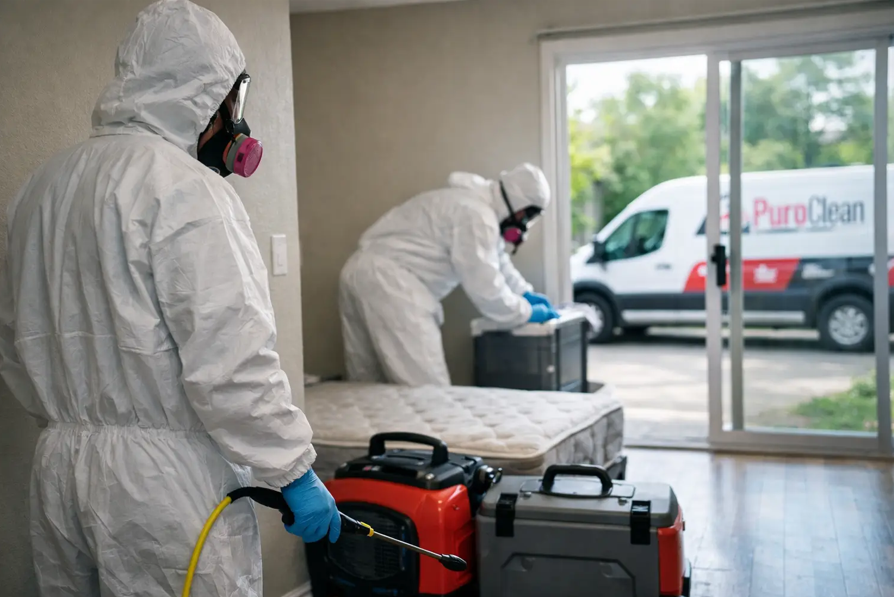
A suspected fentanyl contamination event can put a rental property on hold without warning. Fentanyl cleanup for rental properties is not routine janitorial work or a task to hand to a maintenance team. Landlords and property managers need a controlled, documented response that protects residents, staff, the property itself, and the ability to return the unit to service with confidence.
The right next step depends on the condition of the space, the materials involved, and whether contamination is confirmed. What should not depend on circumstances is the priority: prevent anyone from disturbing potential residue, secure the area, and bring in qualified remediation professionals to assess the risk.
Why Fentanyl Cleanup for Rental Properties Is Different
Fentanyl residue may be present after drug use, drug processing, a law enforcement event, an overdose, or the discovery of drug-related materials. The residue can settle on frequently touched surfaces, flooring, furniture, walls, and contents. It can also be carried into adjoining rooms through foot traffic or affected by air movement from an operating HVAC system.
A unit can look clean and still require remediation. Visible powders, burnt foil, baggies, pills, smoking devices, or other drug paraphernalia are clear reasons to stop work, but their absence does not prove a property is free of contamination. Cleaning based only on appearance creates unnecessary risk for incoming tenants and can leave a landlord without the documentation needed to show that the situation was handled responsibly.
There is also a meaningful distinction between disinfecting a room and removing drug contamination. EPA-registered disinfectants are valuable for addressing biological hazards when they are used according to their label directions. They do not automatically make fentanyl residue safe or replace a remediation plan that addresses contamination on surfaces and in materials.
What to Do When Contamination Is Suspected
The first hours matter. Do not sweep, vacuum, wipe down surfaces, shake out fabrics, or attempt to collect suspicious materials. Those actions can spread residue and make the cleanup scope more difficult to define. Keep prospective tenants, current residents, maintenance staff, vendors, and pets away from the affected area.
If there is an immediate medical emergency, call 911. If law enforcement or emergency responders are involved, wait until the scene has been released before beginning restoration work. Once access is permitted, limit entry to essential personnel and document the condition of the unit with photographs and written notes, while avoiding close handling of suspicious items.
For occupied properties, management should communicate clearly without disclosing more private information than necessary. Residents need practical direction: which areas are restricted, whether temporary accommodations are needed, and when they can expect another update. A calm, factual message helps prevent confusion while respecting the people involved.
Start With a Professional Assessment
A qualified remediation provider begins by evaluating the property and developing a site-specific work plan. That assessment should consider the source event, the rooms involved, visible evidence, surface types, porous materials, contents, ventilation pathways, and the potential for contamination beyond the original location.
When appropriate, a sampling plan may be used to establish the extent of contamination and support post-remediation verification. Testing and clearance standards can vary based on the situation, the laboratory method, insurer requirements, property ownership policies, and applicable local or state guidance. A professional team should explain what is being tested, why it is being tested, and what the results mean before work begins.
This step is worth taking seriously. Removing a small area of carpet may be enough in one unit, while another property may require cleaning or removal of drywall, insulation, furnishings, duct components, or other affected materials. The goal is not to perform the most demolition. It is to identify the actual scope and remediate it correctly.
How Professional Remediation Protects the Property
Professional cleanup usually begins with controlled access and containment. Technicians use appropriate personal protective equipment and work practices designed to avoid tracking contamination into unaffected areas. Depending on the conditions, they may isolate the work zone and use specialized equipment to manage dust and debris during removal.
Nonporous surfaces may be cleaned through a defined process that removes residue rather than simply masking it. Porous or difficult-to-clean materials may need to be removed and disposed of when they cannot be reliably restored. Carpeting, padding, upholstered furniture, unsealed wood, ceiling tiles, insulation, and heavily affected drywall each require an individual evaluation.
HVAC systems deserve special attention. If the system was operating during the contamination event or work was performed near supply and return vents, the cleanup plan may need to account for registers, ductwork, filters, and equipment components. Turning on the air conditioning before the area has been assessed can complicate the situation by moving dust through the property.
After cleaning and material removal, the remediation team should complete detailed documentation of the work performed. This may include photographs, work records, disposal information, and results from any post-remediation sampling or clearance process. For rental owners, that paperwork can be as valuable as the physical cleanup because it creates a clear record of the response.
The Landlord’s Balancing Act: Speed, Safety, and Documentation
Vacancy days are expensive, especially in a multi-unit property. It is understandable to want a unit turned quickly after an incident. But rushing back to market before the property has been properly assessed can create a more costly problem later, including tenant complaints, repeat cleanup, property damage, or disputes over habitability.
The most effective approach is to begin the professional assessment quickly, then make decisions based on evidence. If a limited area is affected, the turnaround may be relatively contained. If contamination extends into porous building materials or HVAC components, a broader scope may be necessary. Clear expectations at the beginning help owners plan for both the cost and the timeline.
Insurance may also be part of the process. Coverage depends on the policy and the cause of loss, so property owners should notify their carrier promptly and retain all records. A remediation company experienced in property-loss documentation can help organize estimates, photos, and work details so the claim process has a stronger foundation.
Questions to Ask a Fentanyl Cleanup Provider
Before authorizing work, ask how the provider will identify the scope, protect unaffected areas, handle contaminated materials, and document the completed remediation. Ask whether they use trained biohazard technicians, what personal protective equipment and containment procedures they employ, and whether a third-party laboratory or post-remediation verification is appropriate for the property.
It is also reasonable to ask for a straightforward explanation of what can be cleaned, what may need removal, and what could affect the schedule. A dependable provider will not promise that every material can be saved before evaluating it. They will explain the trade-offs and give you a plan that puts occupant safety ahead of a cosmetic quick fix.
A Safer Path Back to Occupancy
A rental property should return to the market only after the remediation scope is complete and the owner has the appropriate documentation for the situation. Reoccupancy should be based on the cleanup plan and any applicable verification requirements, not on whether the room smells fresh or looks visibly clean.
For landlords and property managers in Las Vegas, Henderson, North Las Vegas, and Boulder City, PuroClean of East Las Vegas can provide a prompt, professional response when a suspected fentanyl event disrupts a property. The practical goal is to remove uncertainty from a difficult situation, protect the people who depend on the building, and help you move forward with a clean, well-documented path to reoccupancy.
#purocleanofeastlasvegas #fentanyl