


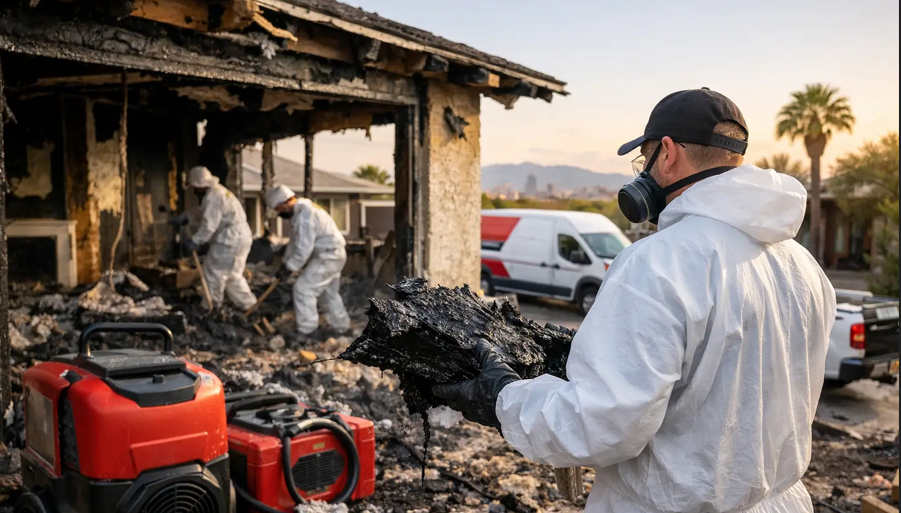
The flames may be out, but the damage does not stop when the fire department leaves. Smoke can settle into cabinets, insulation, upholstery, air ducts, and wall cavities. Water used to extinguish the fire can begin soaking flooring and drywall within minutes. When you need fire cleanup North Las Vegas property owners can rely on, the first priority is preventing a difficult loss from becoming a larger one.
A professional restoration response addresses the full picture: fire residue, smoke odor, water damage, damaged materials, the safety of the structure, and the health & safety of occupants. The right actions in the first hours can protect recoverable belongings, reduce corrosion and staining, and create a clearer path through the insurance process.
Start With Safety and Property Stabilization
Do not re-enter a fire-damaged property until local officials say it is safe. Even a small kitchen or garage fire can leave behind weakened materials, exposed electrical hazards, sharp debris, and airborne particles that should not be breathed in. If the property is safe to enter, avoid switching on the HVAC system, running ceiling fans, or using household vacuums. These actions can spread soot through unaffected areas or push it deeper into fabrics and ventilation components.
If windows, doors, or roofing have been damaged, the property may need emergency board-up or temporary roof protection. This is not simply about security. Keeping out wind, rain, pests, and unauthorized entry helps prevent additional damage while the restoration plan is being developed.
Water is often the second emergency after a fire. Standing water, wet carpet, saturated drywall, and damp cabinets can create conditions for mold growth if they are not addressed quickly. Restoration technicians assess moisture levels in visible areas and hidden spaces, then use professional extraction and drying equipment to remove water without causing unnecessary demolition.
Why Smoke Damage Requires More Than Surface Cleaning
Smoke is not one uniform substance. The residue left after a slow, smoldering fire differs from the oily soot created by a high-heat kitchen fire or a fire involving synthetic materials. Each type can respond differently to cleaning methods. Using the wrong product or scrubbing aggressively can smear soot, drive it into porous surfaces, or permanently damage paint, finishes, and textiles.
A proper fire cleanup in North Las Vegas begins with identifying where residue traveled and what materials were affected. Technicians inspect ceilings, walls, cabinetry, flooring, contents, air pathways, and concealed cavities. In a dry climate, it can be tempting to assume smoke odor will fade on its own. It may become less noticeable, but odor-causing particles can remain inside insulation, wood framing, fabric, and HVAC components unless they are removed or properly sealed.
Professional cleaning may include specialized dry-soot removal, wet cleaning methods for durable surfaces, HEPA vacuuming, detailed contents cleaning, and odor control. The appropriate approach depends on the source of the fire, the affected materials, and the extent of contamination.
Odor Removal Is a Process, Not a Cover-Up
Fragrance products and consumer odor sprays can temporarily mask the smell of smoke, but they do not remove the residue producing it. Effective deodorization begins after source removal and cleaning. Depending on the damage, restoration professionals may use controlled odor treatment methods, air filtration, and sealing of materials that cannot be fully cleaned.
This distinction matters for homes as well as commercial properties. A lingering smoke odor can affect comfort, tenant satisfaction, employee morale, and a customer’s perception of a business. More importantly, it can signal that smoke particles are still present in the building.
What a Professional Fire Cleanup Process Looks Like
Every loss is different, but the recovery process should be organized and clearly explained. After emergency stabilization, the work typically begins with a detailed inspection. Restoration teams document affected rooms, materials, moisture conditions, and contents. This documentation helps establish a scope of work and can support communication with an insurance carrier.
Next comes mitigation: removing water, securing the structure, separating salvageable contents from unsalvageable debris, and preventing smoke residue from spreading into clean areas. Containment may be used when cleaning or demolition work could disturb dust and soot.
Cleaning and restoration follow. Some materials can be cleaned in place, while others need to be removed for off-site contents restoration or replacement. Drywall, insulation, carpeting, and cabinetry are evaluated based on contamination, water exposure, and whether they can be returned to a safe, acceptable condition. The goal is not to remove every item automatically. It is to make sound decisions that protect health, property value, and the overall recovery timeline.
After cleaning, deodorization, and final verification help ensure the property is ready for repairs or reconstruction. For a business, this may include coordinating work around access needs, inventory concerns, or a phased reopening plan. For a homeowner, it may mean explaining what is happening room by room so there are no surprises.
What You Can Do Before Help Arrives
After receiving clearance to access the property, document the damage with photos and video before moving items whenever possible. Save receipts for emergency expenses and keep a written record of conversations with your insurer, property manager, or restoration provider.
You can also remove clean, undamaged belongings from affected areas if it is safe to do so. Avoid handling soot-covered items without protective gloves, and do not wash smoke-damaged clothing with unaffected laundry. Smoke residue can transfer easily and may require specialty cleaning.
Do not throw away damaged contents too quickly. Insurance carriers may need to inspect certain items, and restoration professionals can help determine what is cleanable. Electronics, documents, furniture, and sentimental belongings may have restoration options that are not obvious at first glance.
Working Through the Insurance Portion of a Fire Loss
Insurance decisions vary by policy, carrier, coverage limits, and the cause of the loss. A restoration company does not determine coverage, but organized documentation and clear communication can make the claims process less confusing. Ask for an explanation of the proposed work, what materials are being removed, and why a particular cleaning or drying method is recommended.
Property managers and commercial owners may also need to consider tenant communication, code requirements, business interruption, and operational continuity. The fastest repair is not always the best decision if hidden smoke or moisture damage has not been addressed. Taking time for a thorough assessment can prevent costly rework later.
PuroClean of East Las Vegas provides 24/7 emergency restoration support for property owners facing fire, smoke, and water damage. Trained technicians can help stabilize the property, document conditions, and explain the next steps with the urgency and care a fire loss demands.
The Goal Is a Safe, Usable Property Again
Fire recovery can feel overwhelming because the damage is visible, hidden, and personal all at once. A clear plan gives you back some control: secure the property, address water and soot quickly, protect salvageable belongings, and make repair decisions based on a professional assessment rather than the first thing you can see.
The right fire cleanup response is not about rushing through the work. It is about acting quickly where time matters, cleaning carefully where materials can be saved, and helping you move toward a property that feels safe and usable again.
#purocleaneastlasvegas #health #safety