


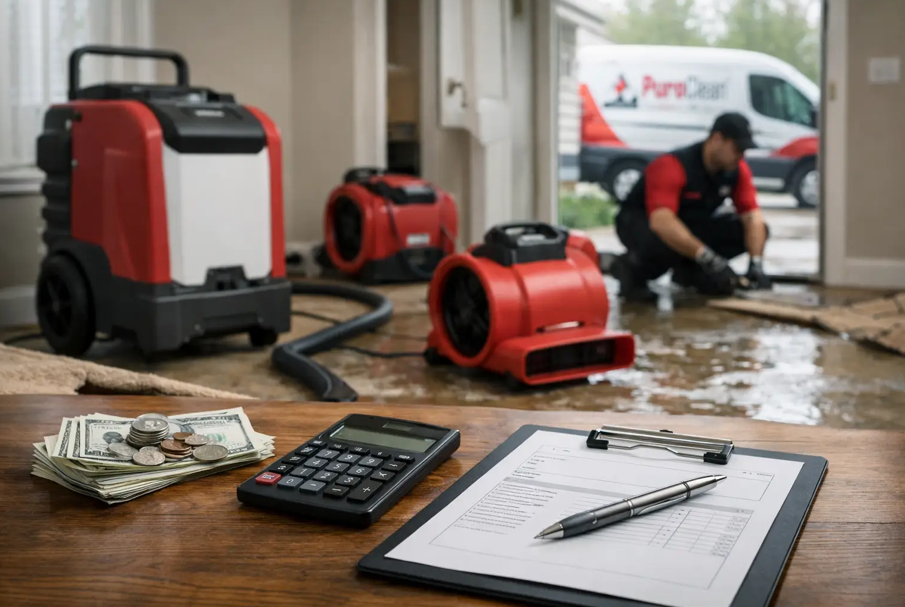
A burst supply line behind a wall can soak insulation, flooring, and cabinets before anyone notices. By the time the leak is found, the water damage restoration cost is no longer just about removing water from the floor. It may also include demolition, structural drying, disinfection, odor control, and repairs that keep hidden moisture from turning into mold or long-term structural damage.
That is why pricing can vary so much from one property to the next. Two homes can both have water on the floor and still require very different restoration plans. The real cost depends on how far the water traveled, how long it sat, what materials were affected, and whether the source was clean water, gray water, or sewage.
What affects water damage restoration cost
The biggest pricing factor is the scope of the loss. A small overflow contained to a bathroom tile floor is very different from a second-story leak that saturates drywall, insulation, wood framing, and the ceiling below. Restoration professionals do not just remove visible water. They inspect for trapped moisture inside building materials, under flooring, behind baseboards, and in wall cavities.
The category of water also matters. Clean water from a broken supply line is typically less complicated to address than gray water from an appliance discharge or black water from a sewage backup. Once contamination is involved, the work usually requires more controlled removal, broader demolition, deeper cleaning, and disinfecting with EPA-registered products. That changes both labor and equipment needs.
Material type is another major variable. Non-porous surfaces are usually faster to clean and dry than carpet padding, laminate, engineered wood, insulation, or wet drywall. Hardwood floors may sometimes be saved with specialized drying systems, but not in every case. Cabinets can be especially tricky because moisture can move into toe kicks, backing, and wall cavities with little visible evidence.
Time also affects cost. Water damage gets more expensive when response is delayed. What starts as extraction and drying can become demolition, mold remediation, and reconstruction if moisture remains in place for too long. Fast action does not guarantee a small invoice, but it often prevents a much larger one.
Typical cost ranges and why they vary
Many property owners want a simple number, but the honest answer is that water damage restoration cost can range from a few hundred dollars for a minor, limited cleanup to several thousand for a larger event. Severe losses involving multiple rooms, contaminated water, specialty drying, and reconstruction can rise much higher.
A small, clean-water incident caught early may involve moisture mapping, extraction, a few air movers, and one or more dehumidifiers. That tends to be on the lower end. A larger loss with wet drywall, saturated insulation, affected subfloors, and damaged contents will require more labor hours, more equipment, and more days on site.
Commercial properties can be even more variable. A retail suite, office, medical facility, or warehouse may need after-hours mitigation, containment, sanitation protocols, content manipulation, and documentation for insurance or operational continuity. In those situations, cost is tied not only to physical damage but also to how quickly the space must be stabilized to reduce downtime.
What you are actually paying for
Homeowners sometimes assume restoration pricing is just about fans and water removal. In reality, professional mitigation is a controlled process designed to stop ongoing damage and verify that the structure is dry enough to move into repairs.
Inspection is the first step. Technicians assess the source of loss, identify the water category, map affected areas, and use moisture meters and thermal imaging to locate hidden wet materials. This part matters because water often spreads beyond what you can see.
Next comes extraction. Standing water is removed with commercial equipment that works far faster and more thoroughly than household tools. After that, crews may remove unsalvageable materials such as wet pad, damaged drywall, or contaminated contents if they cannot be safely restored.
Drying and dehumidification usually make up a large part of the job. Air movers, low-grain refrigerant dehumidifiers, wall drying systems, and floor drying mats may be used depending on the structure. Daily monitoring is also part of the process. Equipment is not set and forgotten. Moisture readings guide adjustments until drying goals are met.
Cleaning and disinfecting may also be required, especially when water is contaminated or when materials were exposed long enough to create odor or microbial concerns. If contents were affected, there may be separate charges for moving, cleaning, inventory, pack-out, or storage.
If reconstruction is needed after mitigation, that is often a separate phase. Replacing drywall, reinstalling baseboards, rebuilding cabinets, painting, or replacing flooring can add significantly to the total project cost.
Why water category changes the price
Not all water losses are treated the same, and this is one of the most important pricing distinctions.
Category 1 water comes from a sanitary source such as a broken supply line. If addressed immediately, cleanup is usually more straightforward. Category 2 water may contain chemicals or biological contaminants, such as overflow from certain appliances or fixtures. Category 3 water, including sewage backups and floodwater, is considered grossly contaminated and requires a much higher level of protective work.
As contamination increases, restoration becomes less about drying alone and more about safe removal, disinfection, disposal, and protecting occupants from health risks. Porous materials exposed to sewage often cannot be saved. That means more demolition, more cleaning, and more replacement costs.
The hidden cost of waiting
In Las Vegas, people sometimes assume dry outdoor air will solve indoor water damage on its own. Unfortunately, that is not how trapped moisture behaves inside walls, under flooring, or around cabinetry. Indoor materials can hold moisture long after the surface feels dry.
Waiting can lead to warped flooring, swollen trim, deteriorated drywall, stained ceilings, electrical concerns, and microbial growth. It can also complicate insurance documentation. The longer the damage sits, the harder it can be to separate the original event from secondary damage that developed afterward.
A prompt professional response helps limit spread, document conditions, and create a drying plan before damage compounds. That is often the difference between a controlled mitigation project and a much broader restoration claim.
Insurance, out-of-pocket costs, and what to expect
Insurance may cover sudden and accidental water losses, but coverage depends on the cause of the damage and the details of the policy. A burst pipe may be covered, while long-term leaks, deferred maintenance, or certain flooding events may not be. Deductibles also affect out-of-pocket cost.
This is where documentation matters. A professional restoration company should record moisture readings, affected materials, photos, equipment usage, and daily progress. That information supports the claim and helps explain why certain services were necessary.
It is also important to understand that mitigation and repairs are not always billed the same way. Emergency water removal, drying, and sanitation may be one phase. Rebuilding what had to be removed may come later. Asking for a clear scope early on helps reduce surprises.
For property managers and business owners, there may also be indirect costs to consider, including tenant disruption, temporary closure, inventory loss, or delays in reopening. Those are not always part of the restoration invoice, but they matter when evaluating the real impact of a water event.
How to keep restoration costs from climbing
The most effective cost control is speed. Shut off the water source if possible, protect people from electrical hazards, and call for professional mitigation right away. Do not assume visible drying means the structure is dry. Hidden moisture is where expensive problems start.
Clear communication also makes a difference. Ask what materials are wet, what can be saved, how long drying is expected to take, and whether reconstruction is likely. A trustworthy restoration team should explain the plan in plain language and document each stage.
If the loss affects a larger home, rental unit, office, or commercial space, choose a company that has the equipment and trained technicians to scale the response. Underpowered drying can extend the timeline and increase the chance of secondary damage. In emergency situations, that experience matters as much as the price.
When customers in East Las Vegas and surrounding communities face sudden property damage, they are not just asking what the job costs. They are asking how to stop the situation from getting worse, how to protect their property, and how to get clear guidance during a stressful event. That is why the right response is not only about lowering the bill. It is about making sure the work is done quickly, safely, and thoroughly enough that you are not paying for the same water twice.