


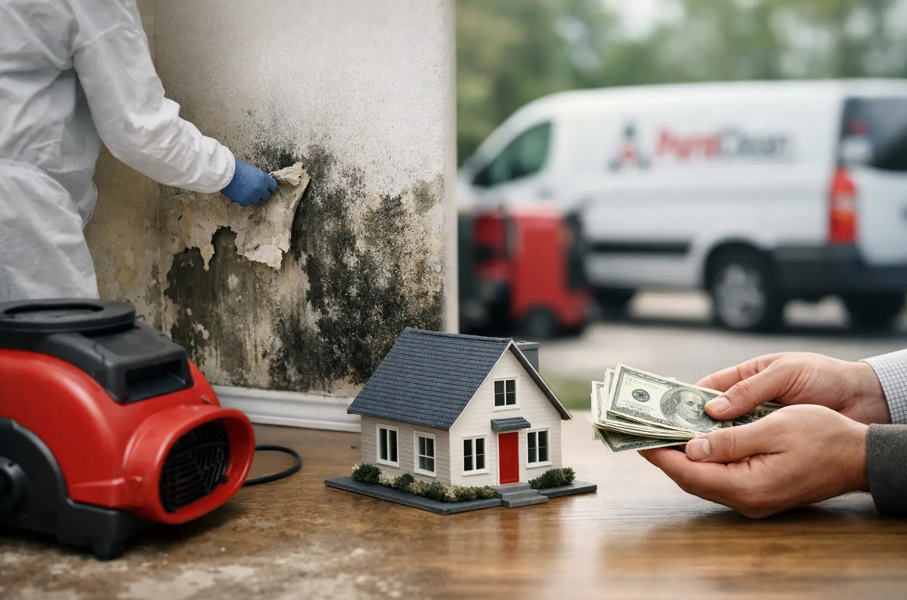
A small patch of mold on a bathroom ceiling can turn into a much larger problem once the wall is opened and the source is found. That is usually when people stop asking how to clean it and start asking who pays for mold remediation. The answer depends on where the mold came from, how quickly the damage was addressed, and who is responsible for the property.
For homeowners, landlords, tenants, and business owners, mold costs are rarely one-size-fits-all. Insurance may help in some situations, but not all. A landlord may be responsible in one rental dispute, while a tenant may share some of the liability in another. If the mold appeared after a sudden water event, coverage may look very different than if it developed slowly over months. The details matter.
Who pays for mold remediation depends on the cause
Mold is not usually the original problem. Moisture is. Remediation costs often follow responsibility for the water source, because mold grows when water intrusion, humidity, leaks, or poor drying conditions are left unresolved.
If mold develops after a sudden and accidental event, such as a burst supply line, appliance overflow, or storm-related intrusion, the party or policy responsible for that water damage may also cover some or all of the remediation. If mold results from long-term neglect, deferred maintenance, or repeated moisture issues that were never corrected, the property owner often ends up paying out of pocket.
That is why documentation is so important. In a mold claim or dispute, adjusters, landlords, property managers, and restoration professionals will want to know when the moisture started, what caused it, and what actions were taken to stop further damage.
When homeowners’ insurance may pay
Homeowners insurance sometimes pays for mold remediation, but only under specific conditions. In many cases, the deciding factor is whether the mold came from a covered peril.
If a covered water loss caused the mold, the policy may cover inspection, removal of affected materials, containment, cleaning, and repairs up to the policy limits. For example, if a washing machine supply line fails and water damages drywall, insulation, and flooring, mold that forms as a direct result may be part of the claim.
The problem is that many policies limit mold coverage or exclude it unless the cause meets strict requirements. Some insurers offer mold endorsements with separate limits. Others may pay only a small amount, even if the remediation scope is much larger than expected.
Claims are often denied when mold is tied to maintenance issues. A slow plumbing leak under a sink, long-term roof seepage, chronic HVAC condensation, or poor ventilation in a bathroom may be viewed as preventable rather than sudden. In those cases, the homeowner may be responsible for both the remediation and the underlying repairs.
If you suspect mold after a water loss, timing matters. Delays can complicate coverage. Insurers may question whether the damage worsened because action was not taken quickly enough to dry the structure and prevent microbial growth.
Common insurance situations
A sudden pipe break is more likely to be covered than a leak that has been dripping behind a wall for six months. Mold after firefighting water may be treated differently from mold caused by high indoor humidity. A roof leak from a wind event may trigger coverage, while deterioration from an aging roof may not.
This is where professional assessment helps. A documented inspection can help establish the extent of contamination, identify likely moisture sources, and support a clearer claim narrative.
When the homeowner pays out of pocket
A homeowner usually pays when mold is linked to ongoing maintenance problems, ignored warning signs, or conditions outside policy coverage. That can include old plumbing leaks, poor drainage around the property, unaddressed caulking failures, crawl space moisture, or repeated condensation problems.
The out-of-pocket cost may include more than surface cleaning. Proper remediation can involve containment barriers, negative air pressure, removal of drywall or insulation, HEPA vacuuming, antimicrobial application where appropriate, air filtration, moisture mapping, and post-remediation verification depending on the situation. If structural materials are saturated or contaminated, the project can become more involved very quickly.
This is one reason DIY treatment often falls short. Painting over visible staining or spraying a retail product on the surface does not resolve hidden growth or the underlying moisture source. If the moisture remains, the mold usually returns.
Who pays for mold remediation in a rental property?
In rental housing, responsibility depends on the lease, local law, maintenance history, and the source of the moisture. In general, landlords are responsible for keeping rental properties habitable and addressing building conditions that contribute to mold, especially when the issue comes from plumbing leaks, roof problems, structural defects, or failed ventilation systems.
If the mold was caused by a maintenance issue the landlord knew about or should have addressed, the landlord is often responsible for remediation and repairs. This includes situations where a tenant reported water intrusion and no meaningful action was taken.
Tenants may be responsible if their actions directly caused the problem. A common example is failing to report a leak promptly, using the property in a way that creates excessive moisture, or turning off climate control in a way that contributes to humidity buildup. Even then, the facts matter. Mold disputes in rentals can become complicated when both property conditions and tenant behavior play a role.
For property managers and landlords, the safest course is a fast response. Delays increase damage, raise costs, and create greater exposure to habitability complaints.
What tenants should do
Tenants should report water problems and visible mold in writing as soon as they notice them. Photos, dates, and copies of maintenance requests help create a record. Waiting too long can make both the damage and the dispute worse.
What landlords should do
Landlords should investigate moisture complaints quickly, document findings, and use qualified remediation professionals when contamination extends beyond a minor surface issue. A rushed cleanup without correcting the moisture source usually leads to recurring problems.
What happens during a home sale?
Mold discovered during a real estate transaction raises a different payment question. Sometimes the seller pays to remediate before closing. Sometimes the buyer accepts the property as is and assumes the cost in exchange for a credit or price reduction. Sometimes the deal stalls until the extent of the damage is verified.
Who pays often comes down to contract terms, disclosure obligations, and timing. If the seller knew about prior water intrusion or concealed damage, the financial responsibility may shift quickly. If the mold is found during inspection and was not previously known, both sides may negotiate.
For buyers, the key issue is not just visible mold. It is whether the moisture problem is active, whether structural materials are affected, and whether professional remediation has already been completed properly.
Commercial properties and business claims
Commercial mold claims can be even more complex because leases often split maintenance responsibilities between landlord and tenant. A roof leak in a shopping center, a plumbing failure in a suite, or HVAC-related condensation in an office can trigger questions about build-out ownership, maintenance duties, and business interruption.
Business owners should not assume the lease makes the answer obvious. The lease may assign some responsibilities for interior conditions to the tenant while reserving structural obligations to the property owner. Insurance adds another layer, especially if tenant improvements, inventory, electronics, or operations are affected.
In commercial settings, fast containment matters for another reason – downtime. A delayed response can affect indoor air quality, employee safety concerns, inventory condition, and the ability to keep operating.
How to improve the chances of coverage or reimbursement
The strongest mold-related claims usually have one thing in common: clear records. Whether you are dealing with an insurer, landlord, tenant, buyer, or seller, documentation supports your position.
Keep photos of the affected areas, save repair invoices, note when the problem was first noticed, and keep copies of any communication about leaks or water intrusion. If emergency drying or remediation was performed, retain the scope of work, moisture readings, and any testing or clearance documentation.
A professional restoration company can help identify what materials are affected, whether contamination appears localized or widespread, and what steps are needed to return the property to a safe, dry condition. In more complex losses, that level of detail can make the financial side easier to sort out.
The real question is not just who pays
The practical answer to who pays for mold remediation is often insurance, the property owner, a landlord, a tenant, a seller, or some negotiated combination of those parties. But the more urgent question is who is acting now to stop the moisture and limit further damage.
Mold problems rarely get cheaper with time. What starts behind a cabinet, inside a wall cavity, or above a ceiling can spread far beyond the visible area if moisture remains active. When the source is found early and the response is documented properly, there is a much better chance of protecting both your property and your options for recovery.
If you are facing a mold issue after a leak, flood, or unexplained moisture problem, get it inspected before assumptions turn into bigger repairs. A clear diagnosis is often the first step toward figuring out both the remediation plan and who should ultimately pay for it.
#purocleanofeastlasvegas #purocleanofthebigisland