


Basement sewage flooding is one of the most unpleasant and hazardous problems a homeowner can experience. Unlike typical water leaks, sewage backups involve contaminated water that contains bacteria, viruses, and harmful waste, making cleanup more complex and dangerous. When sewage enters a basement, it can quickly damage flooring, drywall, personal belongings, and even the structural components of the home.
Understanding why basement sewage flooding happens and how to prevent it can help homeowners reduce the risk of costly damage and protect their health.
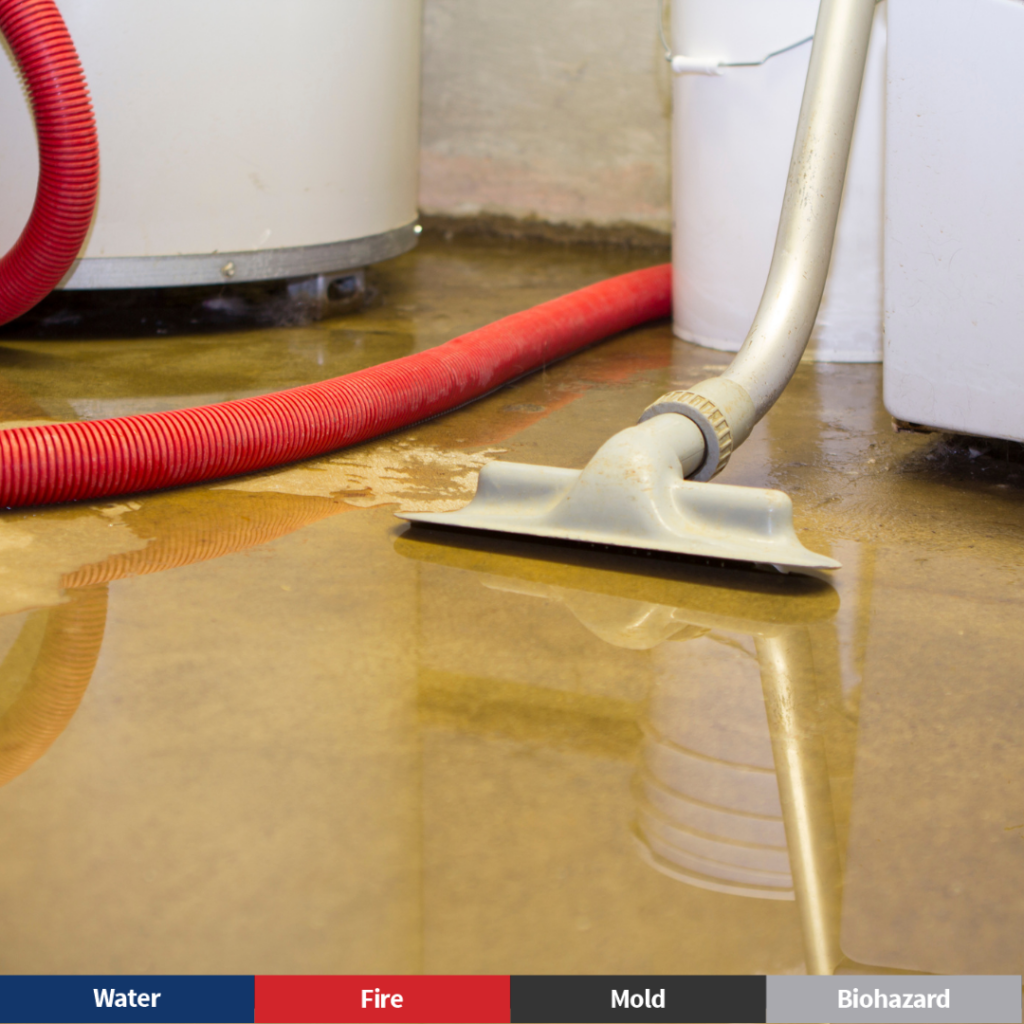
Table of Contents
Why Basement Sewage Flooding Happens
Most homes are designed with plumbing systems that carry wastewater away from the property through underground sewer lines. However, when something interferes with this flow, sewage can reverse direction and back up into the lowest drains in the home—usually the basement.
Several common issues can lead to basement sewage flooding.
Sewer Line Blockages
One of the most common causes is a blockage in the sewer line. Items like grease, wipes, paper towels, and hygiene products can build up inside pipes and restrict wastewater flow. When the blockage becomes severe, sewage may begin to back up into floor drains or basement plumbing fixtures.
Heavy Rain and Municipal Sewer Overload
During intense storms, municipal sewer systems can become overwhelmed with stormwater. When this happens, the excess water may force sewage back into residential plumbing systems, especially in homes with basement drains.
Tree Root Intrusion
Tree roots naturally seek out moisture and can grow into underground sewer pipes through small cracks. As the roots expand, they can partially or completely block the pipe, eventually causing sewage backups.
Aging or Damaged Sewer Lines
Older homes often have aging sewer pipes made from clay or cast iron. Over time, these materials can crack, corrode, or collapse, allowing debris to accumulate and disrupt the flow of wastewater.
Sump Pump Failure
Basements that rely on sump pumps to remove groundwater may experience flooding if the pump fails during heavy rain or power outages. When excess water accumulates, it can contribute to sewage backup conditions.
Warning Signs of a Sewage Problem
Basement sewage flooding rarely happens without warning. Many homeowners notice early signs that the sewer system is struggling.
Common warning signs include:
- Slow draining sinks or toilets
- Gurgling sounds coming from drains
- Sewage odors in the basement
- Water backing up from floor drains
- Multiple plumbing fixtures clogging at the same time
If you notice these symptoms, it may indicate a developing sewer problem that should be addressed quickly.
Why Sewage Flooding Is Dangerous
Sewage water is classified as Category 3 “black water,” meaning it contains harmful contaminants that can pose serious health risks.
Exposure to sewage can cause:
- Gastrointestinal illness
- Skin infections
- Respiratory irritation
- Allergic reactions
Sewage water can also soak into porous materials like carpet, wood flooring, and drywall, allowing bacteria and mold to spread quickly throughout the basement.
Because of these risks, sewage flooding should always be handled carefully and often requires professional cleanup and sanitation.
How to Prevent Basement Sewage Flooding
While not all sewage backups can be avoided, homeowners can take several preventative steps to reduce the risk.
Install a Backwater Valve
A backwater valve is one of the most effective ways to prevent sewage from flowing back into your home during municipal sewer overload. This device allows wastewater to leave your home but blocks it from returning.
Be Careful What Goes Down the Drain
Avoid flushing or washing materials that can clog pipes, including:
- Wet wipes
- Paper towels
- Grease or cooking oil
- Hygiene products
Only toilet paper and human waste should be flushed.
Schedule Regular Sewer Line Inspections
Routine plumbing inspections can detect problems such as tree root intrusion or pipe damage before they lead to major backups.
Maintain Your Sump Pump
If your basement relies on a sump pump, test it regularly to ensure it works properly. Installing a battery backup system can also help protect your home during power outages.
Improve Drainage Around Your Home
Proper grading and drainage systems around your property help direct rainwater away from your foundation, reducing pressure on the sewer system during storms.
Final Thoughts
Basement sewage flooding is more than just a messy inconvenience—it’s a serious issue that can damage your home and create health hazards. By understanding the common causes and taking preventative measures, homeowners can significantly reduce the risk of sewage backups.
Regular plumbing maintenance, proper drain usage, and protective systems like backwater valves and sump pumps can go a long way toward keeping your basement dry and safe.