


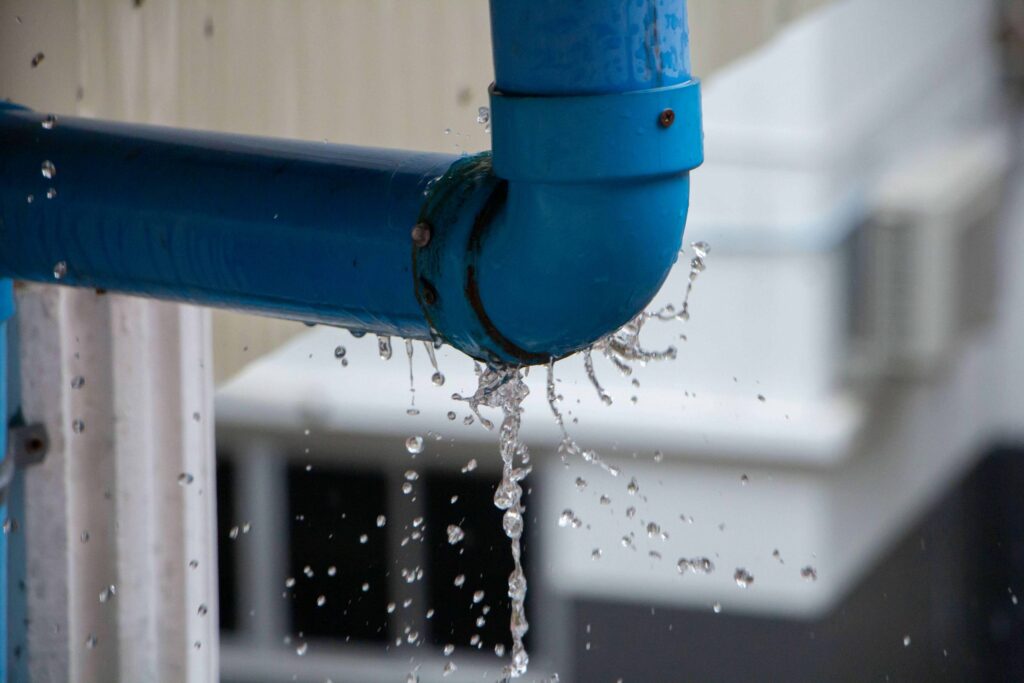
Pipe Burst emergencies are becoming increasingly common in Layton, especially earlier in the winter season than homeowners expect. As temperatures drop quickly and unpredictably across Davis County, homes that were once safe from freeze-related plumbing failures are now experiencing costly water damage long before the coldest months arrive.
At PuroClean of Layton, we’ve seen firsthand how early-winter freezes can cause sudden plumbing failures, structural flooding, and thousands of dollars in restoration costs. This 2025 guide explains why Layton homes are now at higher risk for early-winter Pipe Burst incidents, how to identify warning signs, and what steps every homeowner should take to prevent disaster.
Table of Contents
Pipe Burst: Why Layton Homes Face Higher Early-Winter Risks
A Pipe Burst occurs when water inside a plumbing line freezes, expands, and exerts extreme pressure, causing the pipe to crack or rupture. According to the Federal Emergency Management Agency (FEMA), even a small pipe crack can release up to 250 gallons of water per day, leading to severe property damage (FEMA).
What’s alarming is that early-season cold snaps, happening weeks earlier than in past years, are catching Layton homeowners off guard. Many plumbing systems are unprepared for sudden temperature drops, causing an increase in freeze-related Pipe Burst incidents across the Wasatch Front.
The National Weather Service (NOAA) forecasts indicate that early-winter 2025 will bring sharper temperature swings, below-average nighttime lows, and cold fronts arriving faster than usual (NOAA). These conditions dramatically increase the risk of early freezing in both old and new homes.
PuroClean Insight: When temperatures fall below 20°F, even well-insulated pipes can freeze if airflow or water circulation is restricted.
1. Rapid Temperature Drops Are Outpacing Home Insulation
One of the leading causes of Pipe Burst in Layton is sudden early-season temperature drops. While Utah winters have always been cold, the speed at which temperatures now fall is unprecedented.
The American Red Cross confirms that pipes freeze most often during rapid temperature dips, especially when the drop happens before homeowners have winterized their plumbing systems (Red Cross).
Layton homes, especially older ones built before modern insulation standards, are highly vulnerable when:
- Cold fronts arrive suddenly during October or November
- Homeowners haven’t yet opened cabinet doors or insulated pipes
- Overnight lows fall faster than forecasted
Pro Tip from PuroClean of Layton: Monitor early-winter temperatures closely. When a cold snap is predicted, implement freeze-prevention measures before temperatures drop.
2. Exposed Pipes in Basements, Crawlspaces, and Unfinished Areas
Many Layton homes were built with exposed plumbing lines running through uninsulated basements, garages, attics, or crawlspaces. These pipes are among the first to freeze, and the first to cause a Pipe Burst.
The National Association of Home Builders (NAHB) notes that pipes in unheated areas freeze four times faster than pipes in insulated interior walls (NAHB).
Areas at highest risk include:
- Garages with exterior-facing walls
- Unfinished basements
- Crawlspaces with open vents
- Attics without sufficient warm air circulation
- Utility rooms located near exterior walls
PuroClean Tip: Wrap exposed pipes with foam insulation sleeves or heat tape approved for indoor plumbing. This small investment prevents thousands in water damage.
3. Early-Winter Freeze Before Homeowners Turn On Heating Systems
A major reason for early-season Pipe Burst emergencies is timing. Many Layton residents delay turning on their furnace until later in the season to save on heating costs.
But the Environmental Protection Agency (EPA) warns that inadequate indoor heating can cause pipes along exterior walls to freeze even when daytime temperatures feel mild (EPA).
When heating systems remain off or set too low:
- Pipes in bathrooms and kitchens freeze first
- Interior wall cavities grow cold
- Air circulation decreases
- Water flow slows, increasing freeze risk
Expert Note: Keep your thermostat at 55°F or higher, even when away from home.
4. Aging Plumbing Materials and Deteriorating Insulation
Older Layton neighborhoods, particularly areas with homes more than 30 years old, often contain aging copper or galvanized steel pipes. These materials are more susceptible to bursting under freeze pressure.
The Institute of Inspection, Cleaning and Restoration Certification (IICRC) explains that metal pipes become brittle as they age, making them more vulnerable to freeze-related fractures (IICRC).
Signs that old pipes may burst early in the winter include:
- Reduced water pressure
- Frequent leaks during fall months
- Corrosion or discoloration
- Knocking or rattling noises in walls
PuroClean Recommendation: Have older plumbing inspected in early fall to identify vulnerabilities before temperatures plummet.
5. Poor Outdoor Faucet Preparation (A Major Cause of Pipe Burst)
Outdoor hose bibs are one of the most frequent causes of Pipe Burst incidents. When homeowners forget to disconnect garden hoses before winter, water becomes trapped inside pipes. As cold temperatures arrive, that water freezes and expands, causing interior pipes to rupture.
The American Red Cross warns that failing to disconnect hoses is a top contributor to early-season pipe freezes (Red Cross).
To prevent this:
- Disconnect hoses by mid-October
- Install freeze-resistant outdoor faucets
- Shut off interior valves to outdoor spigots
- Drain exterior lines fully
PuroClean Tip: If ice forms inside an exterior faucet, indoor pipes behind it are at immediate risk.
6. Early-Season Snowmelt and Refreeze Cycles Cause Pipe Stress
Layton’s winter climate often experiences freeze-thaw cycles early in the season, mornings below freezing with afternoons warm enough to melt snow.
The National Weather Service (NOAA) explains that repeated freeze-thaw cycles are a top cause of infrastructure failure, including plumbing (NOAA).
When pipes repeatedly freeze and thaw:
- Expansion weakens pipe joints
- Pressure builds inside the plumbing
- Small cracks expand
- A Pipe Burst becomes inevitable
Expert Insight: Pay attention to pipes near windows, basement walls, and garages, areas that heat and cool unevenly.
7. Increased Energy Efficiency Creates Hidden Cold Zones
Newer Layton homes are built with energy efficiency in mind. While this lowers heating bills, it has an unintended consequence: airtight construction restricts airflow, leaving certain areas colder than others.
The EPA warns that reduced ventilation can trap cold air in wall cavities, increasing freeze risk (EPA).
Frozen Pipes occur more often when:
- Cabinet doors remain closed
- Air doesn’t circulate behind appliances
- Wall cavities don’t receive furnace heat
- Crawlspaces are sealed but unheated
PuroClean Tip: Keep cabinet doors open during severe cold to allow warm air to reach plumbing under sinks.
Warning Signs Your Home Is at Risk of Pipe Burst
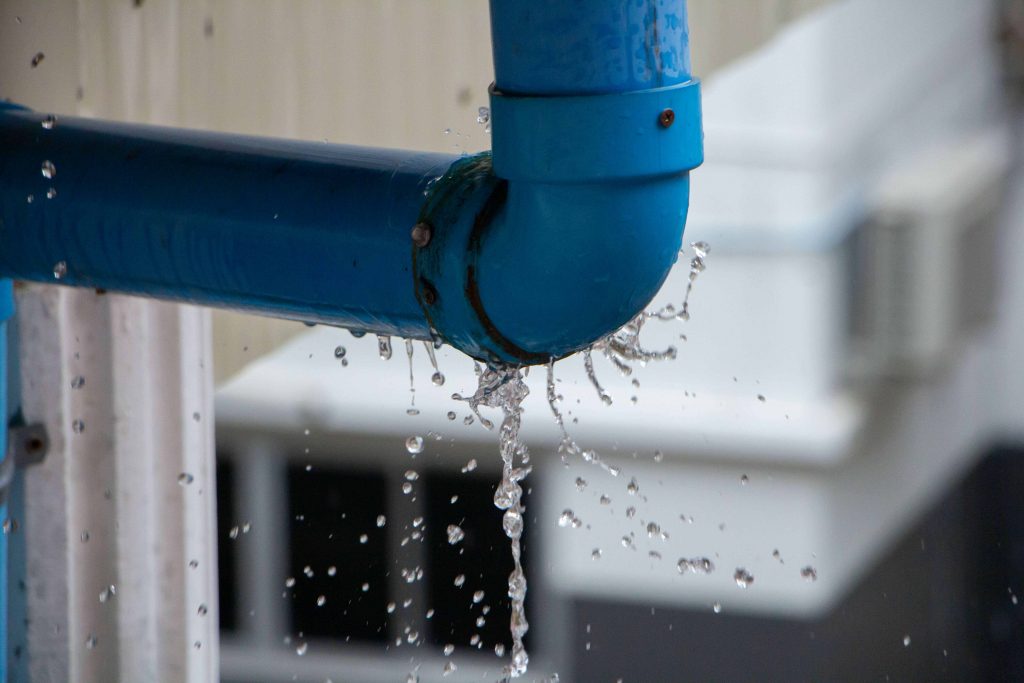
Spotting danger early can prevent hundreds of gallons of water from flooding your home. Look for:
- Sudden drops in water pressure
- Frost on visible pipes
- Strange odors from faucets (indicating frozen blockages)
- Gurgling noises in plumbing
- Extremely cold indoor walls near plumbing lines
If you experience any of these signs, your pipes may already be frozen, or seconds away from bursting.
What To Do If Your Pipes Freeze or Burst
- Turn off the main water valve immediately.
- Shut off electricity to affected areas if water is near outlets.
- Open faucets to relieve pressure.
- Use gentle heat, like a hairdryer, to thaw exposed pipes.
- Never use open flames.
- Call PuroClean of Layton at (801) 513-2232 for emergency water damage mitigation.
- Call a licensed plumber to repair the pipe safely.
PuroClean Immediate Action: Our technicians extract water, dry structures, prevent mold, and coordinate with insurance providers to streamline your claim.
The Cost of a Pipe Burst in Layton Homes
A Pipe Burst can cause:
- Structural damage
- Mold growth in 24–48 hours
- Damaged flooring and drywall
- Ruined insulation
- Electrical hazards
The Insurance Information Institute (III) reports the average water damage claim exceeds $11,098, making frozen pipe bursts one of the most expensive winter home emergencies (III).
Preventive steps always cost far less than restoring a flooded home.
How PuroClean of Layton Helps Prevent and Restore Pipe Burst Damage
As early-winter threats rise, homeowners need a partner who understands Layton’s climate, plumbing risks, and restoration needs.
PuroClean of Layton provides:
- 24/7 emergency water extraction
- Structural drying and dehumidification
- Thermal imaging and moisture detection
- Mold prevention and remediation
- HVAC and crawlspace drying
- Assistance with insurance documentation
Local Expertise: We know the most vulnerable neighborhoods, common pipe layouts, and specific weather patterns affecting Layton homes.
How to Prevent Pipe Burst in Layton (Homeowner Checklist)
- Insulate exposed pipes in attics, basements, and garages
- Disconnect hoses and drain outdoor spigots
- Seal cracks around doors, windows, and foundations
- Keep thermostats at 55°F or higher
- Open cabinet doors under sinks during cold spells
- Install smart water leak detectors
- Allow faucets to drip during sub-20°F weather
PuroClean Safety Reminder: Prevention is your strongest defense. Winterize early, preferably before mid-October.
FAQs About Pipe Burst in Layton
1. What temperature causes pipes to burst?
According to the American Red Cross, pipes begin freezing at 20°F or lower.
2. How long does it take a frozen pipe to burst?
Anywhere from minutes to hours, depending on water pressure and pipe location.
3. Will insurance cover a Pipe Burst?
The NAIC states that most policies cover sudden water damage but not neglect or long-term freezing (NAIC).
4. What is the fastest way to thaw pipes?
Apply gentle heat like a space heater or hairdryer. Never use an open flame.
5. How do I stop pipes from freezing when I’m away?
Shut off the water, drain pipes, or keep the thermostat at 55°F minimum.
Stay Ahead of Early-Winter Pipe Burst Risks
This year, early-winter freezes are hitting Layton harder and earlier than ever. Understanding the risks, and taking action now, can prevent thousands in water damage and protect your home from catastrophic plumbing failures.
PuroClean of Layton stands ready 24/7 to respond to frozen pipe emergencies, thawing, water extraction, drying, and full restoration. When disaster strikes, our certified experts restore your home quickly, safely, and professionally.
If you suspect a Pipe Burst or frozen pipe, call PuroClean of Layton immediately at (801) 513-2232.