 PuroClean of Layton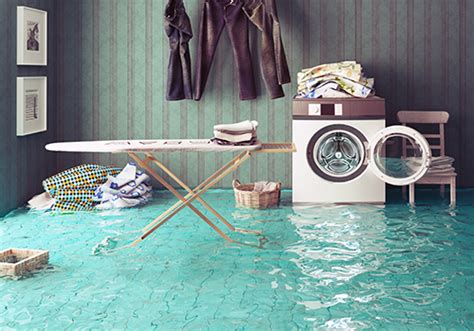
Appliance water damage is one of the most overlooked risks facing Layton homeowners each spring. While attention is often focused on roof leaks or flooding, many of the most costly water damage incidents originate from inside the home, specifically from everyday appliances like washing machines, dishwashers, water heaters, and refrigerators.
During winter, appliances work harder due to increased usage and temperature stress. Hoses become brittle, seals weaken, and internal components experience wear. However, these issues often remain hidden until spring, when changing temperatures and increased water usage expose vulnerabilities.
By the time leaks become visible, significant damage may already have occurred behind walls, under flooring, or inside cabinets. In this 2026 guide, PuroClean of Layton explains why appliance water damage becomes more common in spring, the appliances most at risk, and how homeowners can prevent costly repairs.
Table of Contents
Appliance Water Damage: Why Spring Is a Critical Risk Period
Appliance water damage becomes more common in spring because winter stress on plumbing systems and appliances begins to reveal itself. During colder months, materials contract, water lines experience pressure changes, and appliances often operate more frequently.
The Insurance Information Institute explains that water damage from plumbing and appliances is one of the most common homeowners’ insurance claims. Many of these incidents occur after seasonal transitions rather than during peak winter.
Additionally, the U.S. Environmental Protection Agency (EPA) notes that hidden moisture from leaks can lead to mold growth within 24–48 hours. This makes early detection of appliance water damage essential.
Spring is when small leaks that began in winter often become visible, and more damaging.
7 Appliances Most Likely to Cause Water Damage in Spring
1. Washing Machines: High Pressure, High Risk
Washing machines are one of the leading causes of appliance water damage. During winter, hoses can become brittle due to temperature fluctuations.
The U.S. Consumer Product Safety Commission warns that washing machine hoses can fail suddenly, releasing large volumes of water in a short time.
A burst hose can cause immediate and severe appliance water damage.
2. Water Heaters: Hidden Leaks and Pressure Build-Up
Water heaters operate continuously during winter, increasing wear on internal components. Sediment buildup and pressure changes can weaken tanks.
The U.S. Department of Energy explains that water heaters require regular maintenance to prevent leaks and efficiency loss.
Small leaks often go unnoticed until they cause significant appliance water damage.
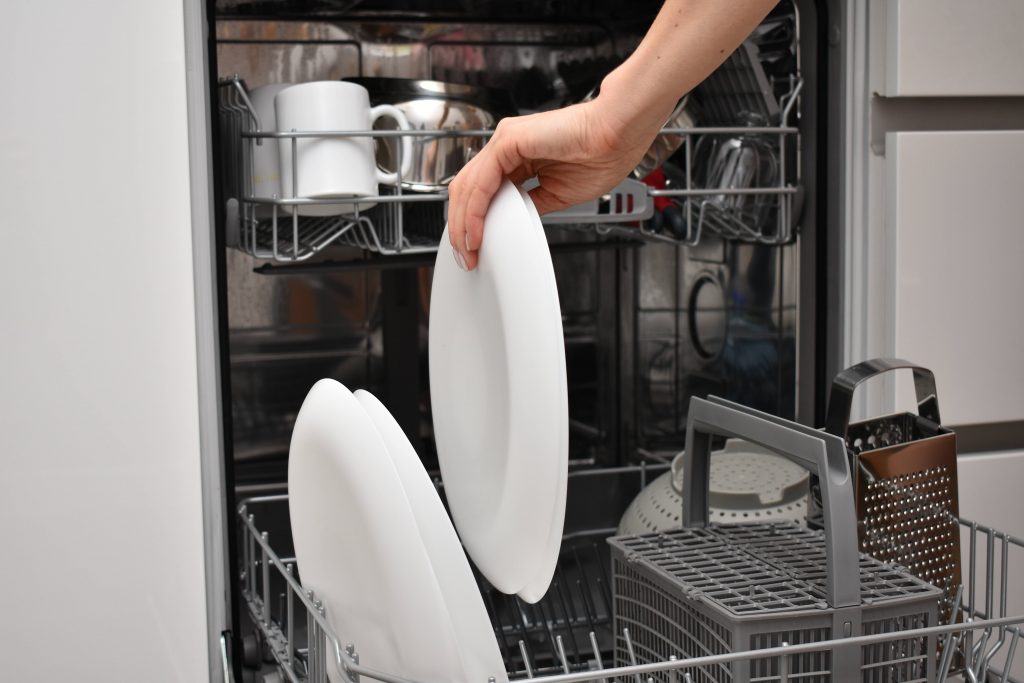
3. Dishwashers: Seal Failures and Drain Issues
Dishwasher door seals can degrade over time, especially with frequent use during winter months.
The National Association of Home Builders notes that appliance seals and gaskets are common failure points that can lead to leaks.
Leaks from dishwashers can spread under cabinets and flooring, contributing to appliance water damage.
4. Refrigerators: Ice Maker Line Leaks
Refrigerators with ice makers or water dispensers rely on small water lines that can crack or loosen.
The Insurance Institute for Business & Home Safety explains that small appliance supply lines are a major source of hidden water damage.
These slow leaks can cause long-term appliance water damage before they are detected.
5. HVAC Systems: Condensate Drain Issues
As temperatures rise in spring, HVAC systems begin transitioning from heating to cooling. This shift introduces condensation.
The EPA explains that HVAC systems can accumulate moisture, which must be properly drained to prevent mold growth.
Blocked or damaged condensate drains can lead to appliance water damage.
6. Sump Pumps: Failure After Winter Inactivity
Sump pumps may sit idle during dry winters but are critical when spring moisture increases.
The Federal Emergency Management Agency (FEMA) advises regular sump pump inspection to prevent basement flooding.
A failed sump pump can quickly escalate into severe appliance water damage.
7. Garbage Disposals and Kitchen Plumbing
Kitchen plumbing systems are heavily used during winter and may develop leaks over time.
The International Association of Certified Home Inspectors notes that under-sink plumbing leaks are a common source of hidden moisture problems.
Even small drips can lead to significant appliance water damage.
Why Appliance Leaks Are Often Discovered Too Late
One of the biggest challenges with appliance water damage is delayed detection. Many leaks occur in hidden areas, behind appliances, under flooring, or inside cabinetry.
The Centers for Disease Control and Prevention (CDC) explains that damp environments can promote mold growth within 24–48 hours. However, visible signs may take much longer to appear.
By the time homeowners notice musty odors, warped flooring, or staining, the damage may already be extensive.
Why Layton Homes Are Especially Vulnerable
Layton homes experience seasonal temperature fluctuations that affect plumbing systems and appliance performance. Winter contraction followed by spring expansion can weaken hoses, seals, and connections.
The Utah Department of Environmental Quality explains that seasonal climate changes can influence indoor environments and moisture levels.
These factors increase the likelihood of appliance water damage during spring.
What causes appliance water damage in spring?
Appliance water damage often occurs due to worn hoses, seal failures, and increased water usage after winter.
Which appliances are most likely to leak?
Washing machines, water heaters, dishwashers, refrigerators, and HVAC systems are the most common sources.
Can small leaks cause major damage?
Yes. Even slow leaks can lead to mold growth and structural damage over time.
How can homeowners prevent appliance leaks?
Regular inspection, hose replacement, and professional maintenance can reduce risk.
How PuroClean of Layton Helps With Appliance Water Damage
When leaks occur, fast action is essential to minimize damage. PuroClean of Layton provides:
- Emergency water extraction
- Moisture detection and thermal imaging
- Structural drying and dehumidification
- Mold remediation
- Insurance documentation support
All services follow standards established by the Institute of Inspection, Cleaning and Restoration Certification (IICRC), ensuring professional restoration.
If you suspect appliance water damage in your Layton home, contact PuroClean of Layton at (801) 513-2232 for immediate assistance.
The Hidden Risk Inside Your Home
Appliance water damage is one of the most preventable yet costly risks facing homeowners in Layton. As winter transitions into spring, hidden wear and tear on appliances can lead to unexpected leaks and water intrusion.
By understanding the risks, inspecting appliances regularly, and responding quickly to early warning signs, homeowners can protect their property and avoid costly repairs.
PuroClean of Layton remains a trusted local expert in water damage restoration, mold remediation, and emergency property recovery.


 PuroClean of Layton