


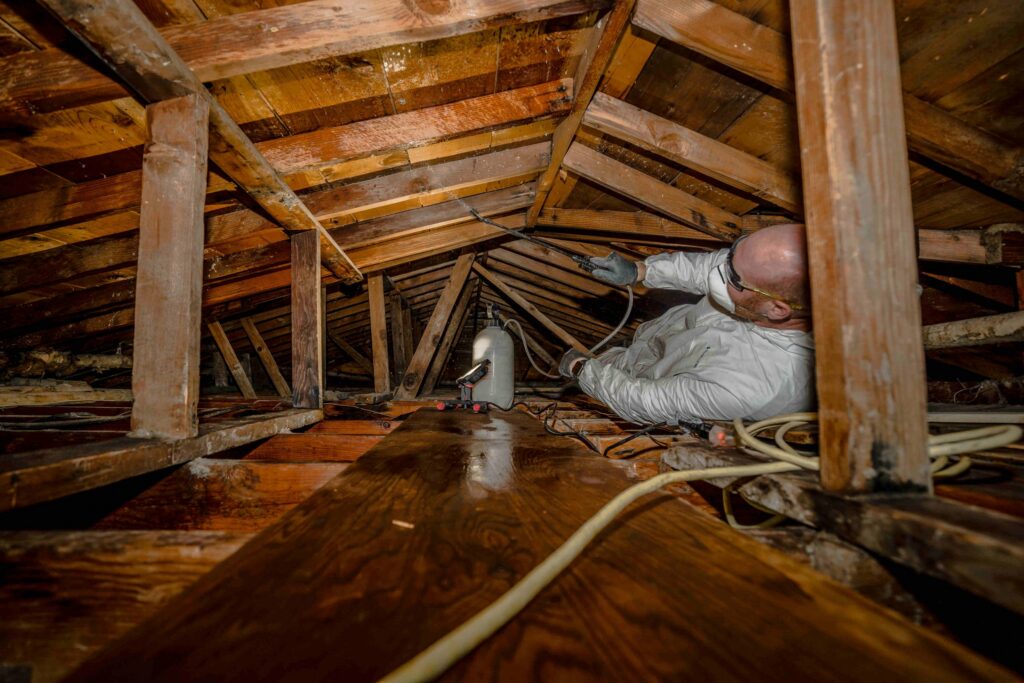
Attic mold is one of the most overlooked restoration problems affecting Layton homeowners during spring. Most people rarely enter their attic spaces unless they are storing belongings or investigating roof leaks. Unfortunately, that lack of visibility is exactly why hidden attic moisture often turns into widespread mold contamination before homeowners realize anything is wrong.
What makes attic mold especially dangerous is that mold growth usually develops silently.
Small amounts of trapped moisture from:
- condensation
- poor ventilation
- roof vulnerabilities
- fluctuating temperatures
- winter humidity buildup
can quietly spread through attic insulation, roof decking, rafters, and ventilation systems for weeks or months before visible signs appear.
By the time homeowners notice:
- musty odors
- ceiling discoloration
- worsening allergies
- damp attic insulation
- stale indoor air
Mold contamination may already be affecting indoor air quality and structural materials throughout the home.
In this 2026 homeowner guide, PuroClean of Layton explains why attic moisture becomes such a serious spring problem in Utah homes, what causes attic mold growth, and why early inspections can prevent significantly larger remediation costs later.
Attic Mold Problems Usually Begin During Winter, Not Spring
Attic mold often develops long before homeowners notice visible contamination. During winter, warm indoor air naturally rises into attic spaces. When that warm air contacts colder roof surfaces, condensation forms repeatedly inside the attic.
Over time, that moisture becomes trapped inside:
- insulation
- roof decking
- rafters
- ventilation channels
- wooden framing
The Environmental Protection Agency (EPA) explains that mold may begin growing within 24–48 hours after moisture exposure and can spread rapidly through porous materials like wood and insulation. Likewise, the Centers for Disease Control and Prevention (CDC) notes that indoor mold exposure may contribute to respiratory irritation and indoor air quality concerns.
This is why attic mold problems frequently become noticeable during spring, even though the moisture buildup often started during winter months.
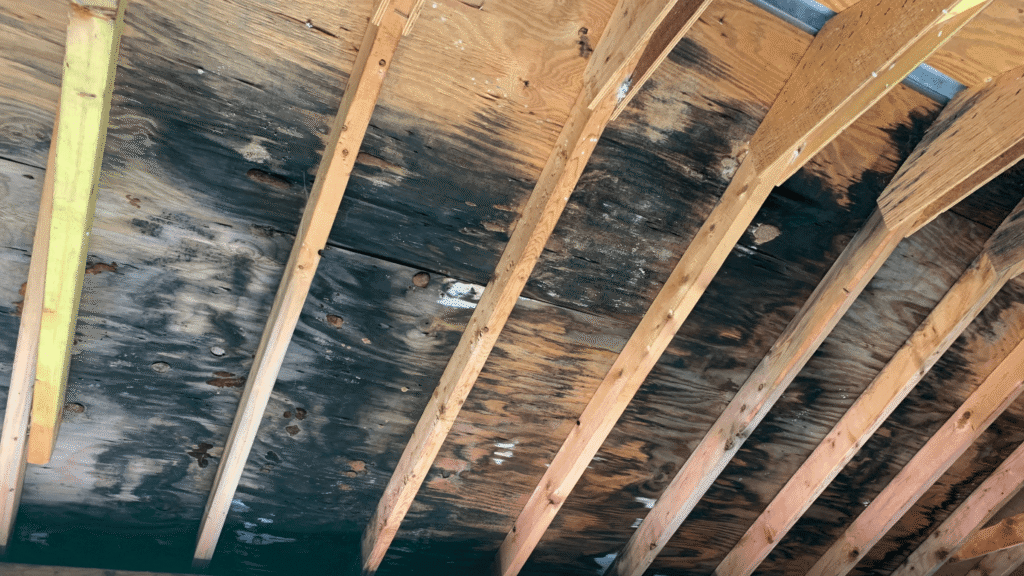
Why Layton Homes Are Especially Vulnerable to Hidden Attic Moisture
Layton homes experience seasonal conditions that increase attic moisture risks significantly:
- freeze-thaw cycles
- spring rain transitions
- fluctuating daytime temperatures
- overnight freezing
- tightly sealed winter airflow
- snowmelt runoff
These environmental changes create repeated condensation cycles inside attic spaces.
Many homeowners searching attic mold information first discover problems after:
- inspecting insulation
- noticing musty odors
- seeing roof discoloration
- observing ceiling stains
- experiencing worsening allergies indoors
Unfortunately, by the time these warning signs appear, mold contamination may already be widespread.
7 Hidden Moisture Problems Causing Attic Mold Growth in Spring
1. Poor Attic Ventilation Traps Humidity
One of the most common attic mold causes is poor airflow.
Without proper ventilation, warm humid air remains trapped inside attic spaces instead of escaping outdoors.
Over time, condensation repeatedly forms on:
- roof decking
- rafters
- insulation
- nails and fasteners
This trapped humidity creates ideal conditions for attic mold growth.
2. Condensation Forms During Temperature Swings
Utah spring weather often creates rapid temperature fluctuations between warm afternoons and cold nights.
These temperature swings cause moisture to form repeatedly inside attic spaces.
Many homeowners underestimate how quickly condensation alone can support attic mold development.
3. Small Roof Vulnerabilities Allow Moisture Intrusion
Winter weather weakens:
- flashing
- roof seals
- shingles
- vent penetrations
Even small spring rain events may allow hidden water intrusion into attic insulation and framing.
Because these leaks are subtle initially, homeowners often miss early attic mold warning signs.
4. Bathroom and Kitchen Ventilation Problems Push Moisture Into Attics
Improperly vented bathrooms and kitchens commonly release warm humid air directly into attic spaces.
This continuous humidity buildup significantly increases attic mold risks during colder months and spring transitions.
24/7 Emergency Attic Mold Inspection Available
Hidden attic moisture spreads quickly once mold begins affecting insulation and roof structures.
PuroClean of Layton provides professional attic inspections, mold remediation, and moisture detection services throughout Layton and surrounding communities.
📞 Call (801) 513-2232 now for immediate assistance.
5. Damp Insulation Holds Moisture for Long Periods
Insulation absorbs and traps moisture easily.
Once insulation becomes damp, it often remains wet far longer than homeowners realize.
This creates long-term hidden moisture conditions where attic mold spreads quietly through surrounding materials.
6. Homeowners Rarely Inspect Attics Regularly
One reason mold becomes severe is simple lack of visibility.
Most homeowners rarely enter attic spaces unless:
- roof leaks occur
- HVAC systems need servicing
- storage is being moved
By the time visible mold is discovered, contamination may already affect large portions of the attic structure.
7. Hidden Attic Mold Affects Indoor Air Quality
Attic mold in Layton does not always stay isolated above the ceiling.
Spores may circulate through:
- HVAC systems
- attic airflow
- insulation gaps
- ventilation pathways
Many homeowners searching for mold information first notice:
- stale indoor air
- allergy symptoms
- coughing
- musty smells
before ever discovering visible mold inside the attic itself.
What Layton Homeowners Usually Notice First
Many attic mold problems begin with subtle environmental changes rather than visible contamination.
Common warning signs include:
- musty odors upstairs
- damp attic smells
- increased indoor humidity
- ceiling discoloration
- peeling paint
- worsening allergies indoors
- condensation around windows
These symptoms often appear weeks before homeowners physically discover mold growth.
Why Spring Is the Peak Season for Attic Mold Problems
Spring weather creates the perfect combination of:
- rising humidity
- trapped winter moisture
- roof temperature swings
- snowmelt runoff
- increased rainfall
This seasonal transition activates hidden moisture that accumulated throughout winter.
Many attic mold problems become visible during March, April, and May because warmer temperatures accelerate mold activity inside enclosed attic spaces.
Why DIY Mold Cleanup Usually Misses the Real Problem
Many homeowners attempt to clean visible attic mold using:
- bleach
- sprays
- disinfectants
- surface cleaners
Unfortunately, visible growth is often only a small portion of the contamination.
Without correcting:
- ventilation problems
- moisture sources
- roof vulnerabilities
- insulation moisture
Improper cleanup may also spread spores into living spaces.
What Layton Homeowners Need to Know About Attic Mold
Can attic mold grow without roof leaks?
Yes. Condensation and poor ventilation alone may create enough moisture for mold growth.
Why does attic mold become worse during spring?
Spring temperature swings and rising humidity increase attic condensation and moisture activity.
Can attic mold affect indoor air quality?
Absolutely. Mold spores may circulate through ventilation pathways and HVAC systems.
Should homeowners inspect attics every spring?
Yes. Spring inspections help identify hidden moisture before widespread contamination develops.
How PuroClean of Layton Handles Hidden Attic Mold Professionally
PuroClean of Layton uses advanced restoration technology and professional remediation protocols to identify and eliminate hidden attic mold safely.
Services include:
- thermal imaging and moisture mapping
- attic inspections
- structural drying and dehumidification
- HEPA air filtration
- mold containment
- safe mold remediation
- odor treatment
- insurance claim assistance
The team also helps homeowners identify long-term prevention strategies that reduce future attic mold risks.
Don’t Wait Until Attic Mold Spreads Further Through Your Home
What begins as small attic condensation can quickly become widespread mold contamination.
PuroClean of Layton offers 24/7 emergency mold inspection and restoration services across Layton and surrounding areas.
📞 Call (801) 513-2232 today for immediate help.
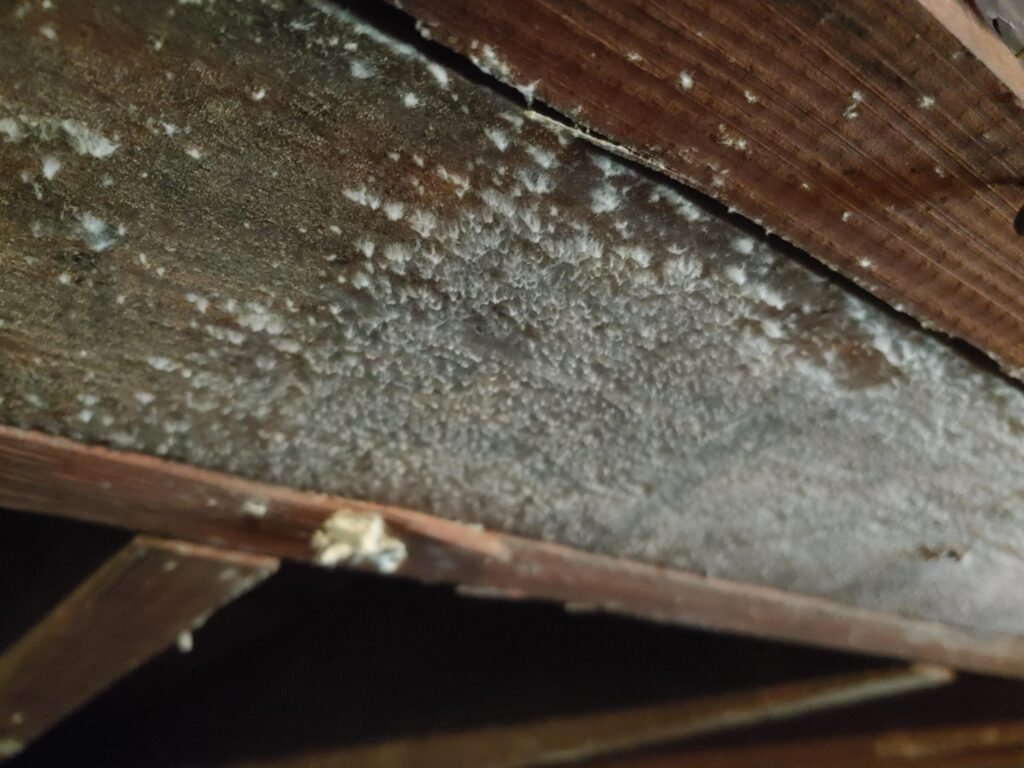
Common Questions Layton Homeowners Ask About Attic Mold
Can attic mold spread into living areas?
Yes. Mold spores may travel through airflow systems and insulation gaps into occupied rooms.
Does attic insulation need replacement after mold exposure?
In some cases, contaminated insulation may require removal depending on moisture severity.
Can small attic moisture problems become serious quickly?
Absolutely. Hidden moisture often spreads longer than homeowners realize before visible signs appear.
Should homeowners inspect attics after winter?
Yes. Spring is one of the most important times to inspect for attic condensation and hidden mold growth.
Hidden Attic Moisture Often Leads to Larger Mold Problems
Attic mold is rarely caused by a single dramatic leak. In many Layton homes, mold develops gradually through hidden condensation, ventilation issues, trapped humidity, and small roof vulnerabilities homeowners never realize exist.
Because attic spaces remain largely out of sight, mold contamination frequently spreads for weeks or months before warning signs appear inside the home.
The good news is that early inspections and moisture detection can prevent significantly larger remediation costs later.
PuroClean of Layton remains a trusted local leader in attic mold inspections and water damage restoration, helping Utah homeowners identify hidden moisture problems early and restore safe indoor environments professionally and efficiently.