


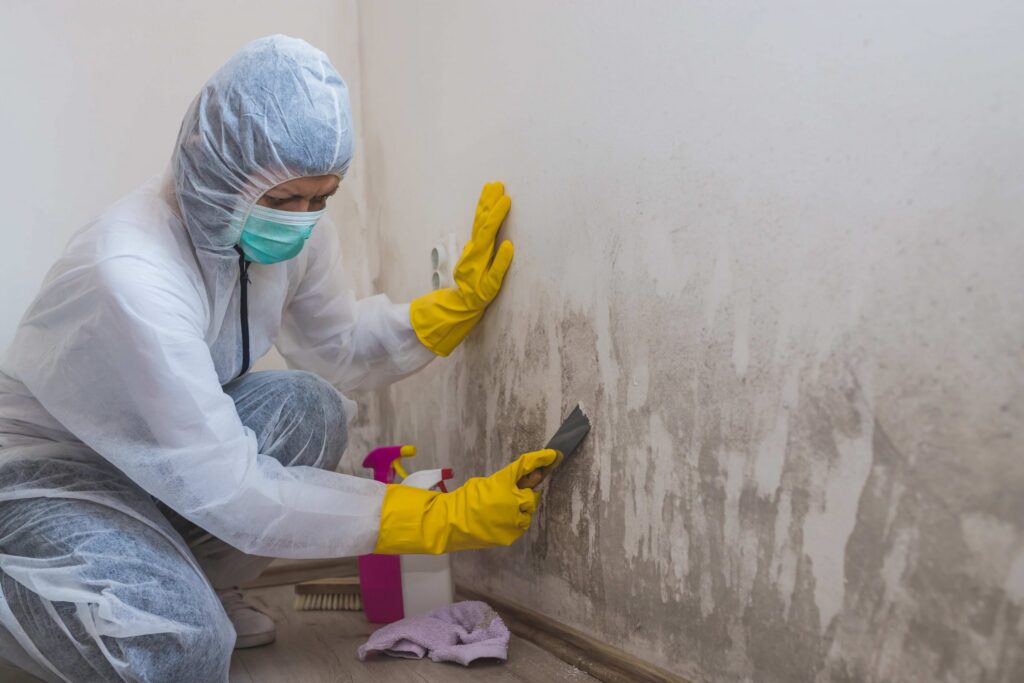
Black mold symptoms often begin quietly after water damage events most homeowners assume were fully resolved. A small leak beneath flooring, attic moisture after a storm, appliance overflow, or damp drywall from hidden plumbing problems may appear harmless initially. But once moisture becomes trapped inside walls, insulation, or ventilation systems, mold growth can spread long before visible warning signs appear.
That hidden contamination frequently affects indoor air quality before homeowners ever see mold itself.
Many Layton homeowners searching for black mold symptoms are not necessarily looking at visible black mold growth. Instead, they are noticing:
- worsening allergy symptoms
- persistent coughing
- musty odors
- sinus irritation
- headaches indoors
- fatigue at home
- damp indoor air
What makes these situations dangerous is that symptoms often overlap with seasonal allergies or dry-air irritation, causing homeowners to delay inspections while mold continues spreading behind the scenes.
In this 2026 homeowner guide, PuroClean of Layton explains how water damage often leads to mold contamination, what symptoms homeowners should pay attention to, and why early inspections can prevent much larger remediation problems later.
Black Mold Symptoms Often Begin After “Minor” Water Damage Events
Black mold symptoms frequently develop after water damage situations homeowners underestimate.
Common triggers include:
- roof leaks
- attic condensation
- appliance leaks
- pipe drips
- basement moisture
- overflowing sinks
- washing machine failures
- hidden plumbing leaks
Many homeowners clean visible water quickly and assume the issue is resolved. Unfortunately, moisture often remains trapped inside:
- drywall
- insulation
- flooring systems
- cabinetry
- crawlspaces
- attic materials
The Environmental Protection Agency (EPA) explains that mold can begin growing within 24–48 hours after moisture exposure and may spread rapidly through porous materials. Likewise, the Centers for Disease Control and Prevention (CDC) notes that indoor mold exposure may contribute to respiratory irritation, allergy-like symptoms, and indoor air quality concerns.
This is why black mold symptoms frequently appear weeks after the original water damage event occurred.
Why Hidden Moisture Creates Bigger Problems Than Visible Leaks
Visible leaks usually receive immediate attention.
Hidden moisture usually does not.
That difference is one reason mold contamination spreads aggressively inside many homes. Moisture trapped behind walls or beneath flooring creates dark, humid environments where mold thrives quietly.
Many Layton homeowners searching black mold symptoms information first notice:
- musty smells
- stale indoor air
- worsening nighttime coughing
- sinus pressure indoors
- unexplained headaches
- increased fatigue at home
By the time visible mold appears, contamination may already affect insulation, framing, airflow systems, and indoor living conditions.
Why Layton Homes Are Vulnerable to Mold After Water Damage
Layton homes experience environmental conditions that increase hidden moisture risks:
- freeze-thaw weather patterns
- attic condensation
- spring rain transitions
- indoor humidity shifts
- snowmelt runoff
- tightly sealed winter airflow
These seasonal conditions allow moisture to remain trapped inside homes long after water intrusion occurs.
Many homeowners searching black mold symptoms information do not realize hidden water damage may still exist behind ceilings, drywall, or insulation.
This delayed discovery is one reason mold remediation costs increase significantly when inspections are postponed.
7 Black Mold Symptoms Homeowners Should Never Ignore
1. Persistent Musty Odors Indoors
One of the earliest and most common black mold symptoms is a lingering musty smell that does not fully disappear.
Even when mold remains hidden behind surfaces, odors often travel through:
- HVAC systems
- attic airflow
- wall cavities
- insulation spaces
Many homeowners first suspect hidden mold after noticing stronger odors during humid weather or after rainfall.
2. Worsening Sinus Irritation at Home
Many homeowners experience:
- congestion
- sneezing
- throat irritation
- sinus pressure
that becomes worse indoors.
Because these symptoms resemble seasonal allergies, homeowners frequently delay inspections while mold continues spreading.
Black mold symptoms often become more noticeable overnight or after extended time inside the home.
3. Persistent Coughing or Respiratory Irritation
Hidden mold contamination may contribute to coughing or breathing discomfort in sensitive individuals.
This becomes especially common when mold spores circulate through HVAC airflow systems.
Many black mold symptoms cases involve hidden attic or wall moisture affecting indoor air circulation throughout the home.
24/7 Emergency Mold & Water Damage Inspection Available
Hidden moisture spreads quickly after leaks and water damage events.
PuroClean of Layton provides emergency mold inspections, moisture detection, and restoration services throughout Layton and surrounding communities.
📞 Call (801) 513-2232 now for immediate assistance.
4. Headaches or Fatigue Indoors
Many homeowners searching black mold symptoms information report:
- fatigue
- headaches
- brain fog
- poor sleep quality
that seem worse at home than elsewhere.
Because these symptoms are non-specific, homeowners often overlook indoor moisture or mold as possible contributing factors.

5. Visible Ceiling or Wall Discoloration
Small ceiling stains or wall discoloration often indicate hidden moisture intrusion.
Even minor water staining may signal:
- roof leaks
- attic condensation
- plumbing moisture
- hidden drywall saturation
These conditions commonly support hidden mold growth long before visible contamination becomes widespread.
6. Elevated Indoor Humidity or Condensation
Persistent condensation around:
- windows
- walls
- vents
- attic spaces
may indicate hidden moisture buildup inside the home.
High indoor humidity creates ideal conditions for mold contamination after water damage.
Many black mold symptoms problems worsen significantly during spring humidity transitions.
7. Symptoms Improve Outside the Home
One of the biggest warning signs homeowners report is feeling better after leaving the house.
If:
- coughing
- sinus irritation
- headaches
- musty smells
improve away from home, hidden indoor mold may already be affecting indoor air quality.
Why Mold Often Appears Weeks After Water Damage
One of the biggest misconceptions homeowners have is believing mold appears immediately after flooding.
In reality, mold frequently develops slowly inside:
- insulation
- subflooring
- drywall
- crawlspaces
- attics
Small leaks and hidden dampness often remain active long after surfaces appear dry.
This delayed moisture activity is why black mold symptoms frequently emerge weeks after the original leak or water damage incident.
Why DIY Mold Cleanup Usually Misses the Real Problem
Many homeowners attempt to clean visible mold themselves using:
- bleach
- sprays
- disinfectants
- surface cleaners
Unfortunately, visible growth is often only a small portion of the contamination.
Without identifying the hidden moisture source, mold frequently returns.
Improper cleanup may also spread spores through:
- airflow systems
- insulation
- wall cavities
Professional inspections help identify:
- hidden moisture
- attic contamination
- ventilation issues
- concealed mold spread
What Layton Homeowners Need to Know About Mold Symptoms After Water Damage
Can black mold symptoms appear without visible mold?
Yes. Mold often grows behind walls or insulation long before visible contamination appears.
How quickly can mold develop after water damage?
According to the EPA, mold may begin growing within 24–48 hours after moisture exposure.
Can hidden mold affect indoor air quality?
Absolutely. Mold spores may circulate through HVAC systems and enclosed airflow spaces.
Should homeowners inspect attics after roof leaks?
Yes. Attics are one of the most common hidden mold locations after roof-related moisture intrusion.
How PuroClean of Layton Handles Hidden Mold Problems Professionally
PuroClean of Layton uses advanced moisture detection and restoration technology to identify hidden mold contamination before it spreads further.
Services include:
- thermal imaging and moisture mapping
- attic and crawlspace inspections
- structural drying and dehumidification
- mold containment
- HEPA air filtration
- safe mold remediation
- odor removal
- insurance claim assistance
The team also helps homeowners identify long-term prevention strategies to reduce future black mold symptoms risks after water damage events.
Don’t Wait Until Hidden Mold Spreads Through Your Home
What begins as a small leak can quietly turn into widespread indoor contamination.
PuroClean of Layton offers 24/7 emergency mold inspections and water damage restoration services across Layton and surrounding areas.
📞 Call (801) 513-2232 today to schedule a professional inspection.
Common Questions Layton Homeowners Ask About Black Mold Symptoms
Can hidden mold make homes smell musty?
Yes. Persistent earthy or damp odors are common signs of hidden mold activity.
Do all mold problems look black?
No. Mold varies in color and may remain hidden behind surfaces entirely.
Can small leaks really cause serious mold problems?
Absolutely. Slow moisture exposure is one of the most common causes of widespread hidden mold contamination.
Should homeowners test for mold after water damage?
Yes. Professional inspections help identify hidden moisture before contamination spreads further.
Hidden Moisture Is Often the Real Cause of Mold Symptoms
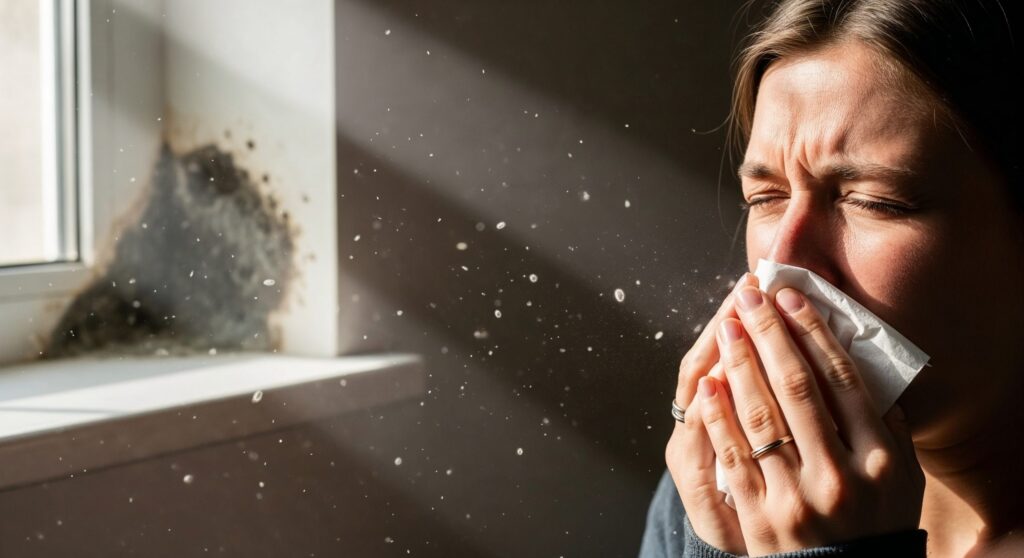
Black mold symptoms are often the result of hidden moisture homeowners assumed had already dried or resolved itself. What begins as a small leak or unnoticed water intrusion event can quietly create conditions for mold growth behind walls, beneath flooring, and inside attic spaces.
Because symptoms often resemble allergies or seasonal irritation, homeowners frequently delay inspections while contamination spreads further.
The good news is that early moisture detection and professional inspections can prevent significantly larger remediation costs later.
PuroClean of Layton remains a trusted local leader in water damage restoration and mold remediation, helping Utah homeowners identify hidden moisture problems early and restore safe indoor environments quickly and professionally.