


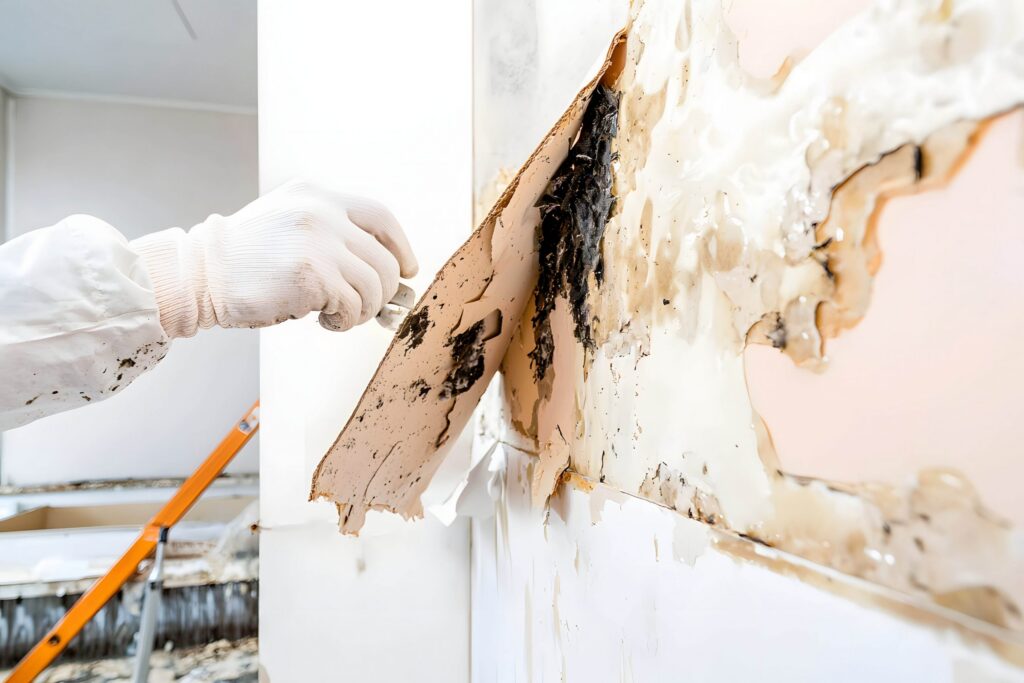
Black mold symptoms are one of the most searched health-related concerns among homeowners dealing with water damage, musty odors, or indoor air quality issues. The reason is simple: mold often grows in hidden areas of the home long before homeowners realize there is a problem.
Many people expect mold to be obvious.
They assume they will see large black patches on walls or ceilings before mold becomes a concern. In reality, mold frequently develops behind:
- drywall
- flooring
- cabinets
- insulation
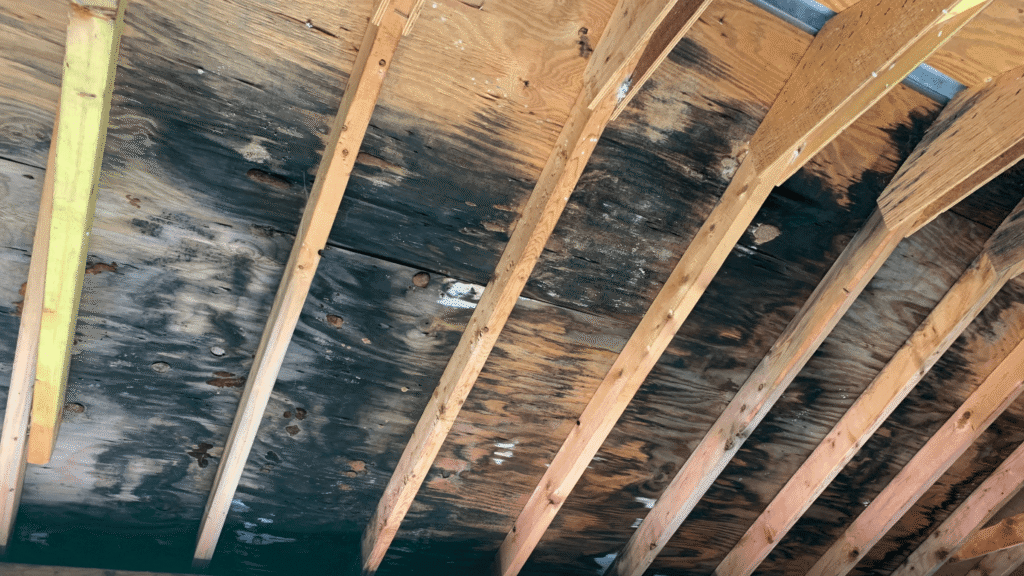
- attics
- crawlspaces
By the time visible growth appears, moisture may have been affecting the home for weeks or even months.
Homeowners often first notice:
- musty odors
- worsening allergies
- indoor discomfort
- recurring moisture issues
- unexplained respiratory irritation
before discovering mold itself.
In this 2026 homeowner guide, PuroClean of Layton explains the most common black mold symptoms homeowners should know, why hidden moisture leads to mold growth, and when it may be time to schedule a professional mold inspection.
Black Mold Symptoms Often Start With Hidden Moisture Problems
Black mold symptoms are frequently associated with homes that have experienced moisture issues.
Common causes include:
- roof leaks
- plumbing leaks
- appliance failures
- attic condensation
- basement moisture
- poor ventilation
- flooding events
The Centers for Disease Control and Prevention (CDC) notes that exposure to damp indoor environments and mold may contribute to respiratory irritation and indoor air quality concerns. The Environmental Protection Agency (EPA) also emphasizes that controlling moisture is the most effective way to prevent indoor mold growth.
Because mold requires moisture to grow, identifying hidden water problems is often the first step toward resolving mold concerns.

Why Hidden Mold Often Goes Undetected
Many Layton homeowners are surprised to learn that mold commonly develops in areas rarely inspected.
Common hidden locations include:
- attics
- crawlspaces
- behind drywall
- beneath flooring
- under sinks
- around plumbing penetrations
- inside insulation
Because these areas remain concealed, mold may spread for extended periods before visible warning signs appear.
9 Black Mold Symptoms Homeowners Should Watch For
1. Persistent Musty Odors
One of the earliest environmental indicators associated with black mold symptoms is a musty smell.
Homeowners often describe the odor as:
- damp
- earthy
- stale
- mildew-like
Persistent odors frequently indicate hidden moisture problems that deserve investigation.
2. Recurring Nasal Congestion
Many homeowners report:
- stuffy noses
- sinus irritation
- postnasal drip
- nasal discomfort
particularly when spending extended time indoors.
These symptoms often resemble seasonal allergies, which is why mold concerns frequently go overlooked.
3. Frequent Sneezing Indoors
When sneezing becomes more noticeable inside the home than outdoors, homeowners often begin investigating indoor environmental conditions.
Many people first search black mold symptoms after noticing recurring respiratory irritation linked to time spent at home.
4. Chronic Coughing
A persistent cough that seems worse indoors may prompt homeowners to investigate potential moisture or mold concerns.
This is especially common when coughing coincides with:
- musty odors
- water damage history
- visible mold growth
24/7 Emergency Mold Inspection Available in Layton
Hidden mold often develops long before visible signs appear.
PuroClean of Layton provides professional mold inspections, moisture detection, and remediation services throughout Layton and surrounding communities.
📞 Call (801) 513-2232 now for immediate assistance.
5. Headaches That Occur More Frequently at Home
Many homeowners investigating black mold symptoms report:
- recurring headaches
- pressure sensations
- discomfort that improves away from home
While headaches can have many causes, persistent indoor environmental concerns often warrant further investigation.
6. Fatigue or Feeling Drained Indoors
Some homeowners notice:
- unusual tiredness
- reduced energy
- difficulty focusing
that seems worse while spending time inside the property.
Because fatigue has many possible causes, homeowners should consult healthcare professionals regarding medical concerns while also evaluating environmental factors within the home.=
7. Eye Irritation
Moisture and mold concerns are sometimes associated with:
- itchy eyes
- watery eyes
- eye discomfort
- redness
particularly in homes experiencing poor indoor air quality.
8. Increased Symptoms in Specific Rooms
Many homeowners notice black mold symptoms become more pronounced in:
- bedrooms
- basements
- attics
- laundry rooms
This often occurs because hidden moisture problems are localized within specific areas.
9. Symptoms Improve Away From Home
One of the most common patterns homeowners report is feeling better when:
- traveling
- working outside the home
- spending time outdoors
When symptoms consistently improve after leaving the property, homeowners often begin investigating indoor environmental conditions.
What Causes Mold Growth Inside Homes?
Mold requires moisture to grow.
Common moisture sources include:
Roof Leaks
Small roof vulnerabilities often allow hidden water intrusion.
Appliance Leaks
Dishwashers, washing machines, and refrigerators frequently cause hidden moisture problems.
Attic Condensation
A major issue throughout Utah during winter and seasonal transitions.
Plumbing Failures
Slow leaks often remain hidden for months.
Poor Ventilation
Limited airflow allows moisture to accumulate inside enclosed spaces.
When Should Homeowners Schedule a Mold Inspection?
A professional inspection may be worthwhile when homeowners notice:
- musty odors
- recurring moisture issues
- visible mold growth
- attic condensation
- water damage history
- elevated humidity
- indoor air quality concerns
Early inspections frequently identify hidden moisture before contamination becomes widespread.
Why DIY Mold Cleanup Often Doesn’t Solve the Problem
Many homeowners attempt to clean visible mold with:
- bleach
- household cleaners
- disinfectants
Unfortunately, visible mold is often only a small portion of the problem.
Without identifying the moisture source, mold frequently returns.
Professional remediation focuses on:
- moisture detection
- containment
- structural drying
- safe removal
- prevention strategies
This is why addressing the underlying moisture issue is critical.
What Layton Homeowners Need to Know About Black Mold Symptoms
Can mold grow without visible signs?
Yes. Mold often develops behind walls, beneath flooring, and inside attics before becoming visible.
Do musty odors always indicate mold?
Not always, but musty smells often signal hidden moisture that deserves investigation.
Can water damage lead to mold growth later?
Absolutely. Moisture trapped inside building materials frequently contributes to future mold development.
Should homeowners inspect attics after winter?
Yes. Attics commonly experience condensation-related moisture buildup that supports mold growth.
How PuroClean of Layton Helps Homeowners Identify Hidden Mold Problems
PuroClean of Layton uses advanced moisture detection technology and proven remediation protocols to locate hidden mold risks before they become major restoration projects.
Services include:
- thermal imaging
- moisture mapping
- attic inspections
- crawlspace evaluations
- mold remediation
- HEPA air filtration
- structural drying
- odor removal
- insurance claim assistance
The team focuses on identifying both the mold contamination and the moisture source responsible for it.
[Emergency Restoration Contact Page]
Don’t Ignore Musty Odors or Hidden Moisture Problems
Small moisture issues often become large mold remediation projects when left unresolved.
PuroClean of Layton offers 24/7 emergency mold inspection and remediation services throughout Layton and surrounding communities.
📞 Call (801) 513-2232 today for immediate assistance.
Common Questions About Black Mold Symptoms
Can black mold grow behind walls?
Yes. Hidden wall cavities are among the most common locations for mold growth.
What is the most common sign of hidden mold?
Persistent musty odors are often the earliest warning sign.
Can appliance leaks lead to mold growth?
Absolutely. Slow leaks frequently create ideal mold conditions.
Should homeowners investigate recurring moisture problems?
Yes. Moisture is the primary cause of indoor mold growth and should always be addressed quickly.
Hidden Moisture Is Usually the Real Problem
Black mold symptoms often lead homeowners to discover moisture issues that have been affecting the home for months. While symptoms should always be discussed with qualified healthcare professionals, homeowners should also pay close attention to environmental warning signs such as musty odors, recurring water damage, attic condensation, and elevated humidity.
The earlier moisture problems are identified, the easier it becomes to prevent larger mold remediation costs and indoor air quality concerns.
PuroClean of Layton remains a trusted local leader in mold inspection and remediation, helping homeowners identify hidden moisture, restore healthy indoor environments, and prevent future mold growth.