


Cold Weather Mold may seem unlikely in a place as dry and cold as Utah, but homeowners in Layton are seeing a significant rise in mold growth during the coldest months of the year. Winter should theoretically slow down mold activity, but the truth is the opposite: modern home insulation, temperature swings, and increased indoor humidity have created the perfect environment for mold to grow unseen until it becomes a major health and structural issue.
In this comprehensive 2025 expert guide, PuroClean of Layton breaks down why Cold Weather Mold is increasing, how it forms, where it hides, and the early warning signs every homeowner should know.
Let’s explore why mold thrives in winter, and what you can do now to protect your home before the damage spreads.
Table of Contents
Cold Weather Mold: Why It’s Becoming a Growing Problem in Layton
Cold Weather Mold develops when moisture accumulates inside a home due to poor ventilation, temperature differences, hidden leaks, or condensation caused by cold weather.
According to the Environmental Protection Agency (EPA), mold can begin growing in as little as 24–48 hours whenever moisture and organic materials meet, even in colder climates (EPA).
Utah’s winters present the perfect storm for mold growth because:
✔ Homes are sealed tightly to retain heat
✔ Snowmelt + freezing can trigger hidden leaks
✔ Humidity increases indoors due to heating
✔ Temperature fluctuations cause condensation
✔ Frozen pipes thaw and release moisture
The Centers for Disease Control and Prevention (CDC) warns that winter mold exposure may worsen asthma, trigger respiratory issues, and lead to chronic sinus irritation, especially for children and seniors (CDC).
This is why understanding Cold Weather Mold is essential for Layton homeowners.
1. Increased Indoor Humidity From Heating Systems Fuels Mold Growth
One of the biggest contributors to Cold Weather Mold is the way heating systems alter indoor humidity.
While furnaces dry the air initially, prolonged winter heating leads homeowners to:
- Take longer hot showers
- Use humidifiers
- Cook inside more frequently
- Hang-dry clothes indoors
- Keep windows closed for months
All of these behaviors increase indoor humidity.
The EPA warns that mold thrives when indoor humidity rises above 60%, a common winter condition in Utah homes with poor ventilation (EPA).
When warm, humid air touches cold walls or windows, condensation forms… and mold follows shortly after.
PuroClean Tip: Monitor humidity with an inexpensive digital hygrometer and keep levels between 30–50% all winter.
2. Temperature Swings Create Condensation, A Major Mold Trigger
When Layton experiences sudden temperature drops or warm-ups, a common winter occurrence, condensation forms on:
- Windows
- Basement walls
- Attic ceilings
- Concrete floors
- Behind furniture
The American Society of Heating, Refrigeration, and Air-Conditioning Engineers (ASHRAE) reports that rapid temperature swings increase condensation risk dramatically in winter climates (ASHRAE).
This moisture becomes trapped in cold corners of your home, creating ideal conditions for Cold Weather Mold.
Most homeowners don’t notice condensation behind large furniture or along baseboards, allowing mold to grow for months undetected.
PuroClean Insight: If you see foggy windows or wet sills, mold may already be forming nearby.
3. Poor Ventilation in Sealed Homes Traps Moisture Indoors
To conserve heat, homeowners keep windows tightly shut all winter, reducing airflow and trapping moisture inside.
The World Health Organization (WHO) notes that inadequate ventilation is a leading cause of winter mold buildup, especially in homes with modern airtight construction (WHO).
Spaces most affected include:
- Bathrooms
- Laundry rooms
- Basements
- Kitchens
- Crawlspaces
- Attics
Poor airflow allows mold spores to settle, thrive, and multiply, quickly leading to Cold Weather Mold in hidden areas.
PuroClean Tip: Run exhaust fans for 20–30 minutes after showers or cooking to remove moisture from the air.
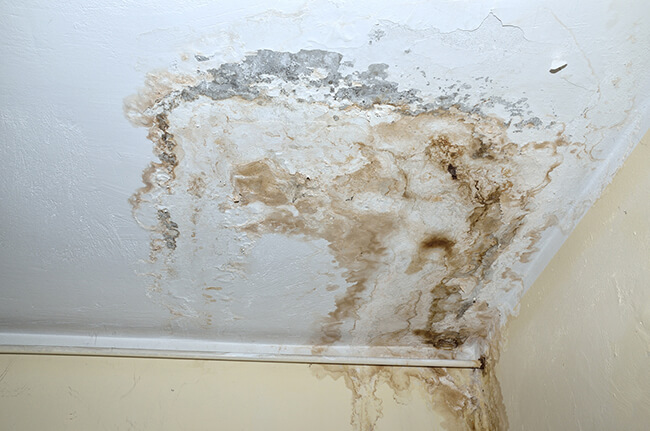
4. Ice Dams Create Hidden Roof Leaks That Cause Cold Weather Mold
Ice dams form when warm attic air melts snow on the roof, which then refreezes at the edges. Meltwater is forced under shingles, causing leaks into ceiling cavities and attic insulation.
The Federal Emergency Management Agency (FEMA) identifies ice dams as one of the most common winter causes of hidden structural moisture and mold growth (FEMA).
Affected areas often include:
- Attic insulation
- Roof sheathing
- Wall cavities
- Bedroom ceilings
Because these areas remain cold and poorly ventilated, moisture takes much longer to evaporate, creating ideal conditions for Cold Weather Mold to grow undetected all winter.
PuroClean Warning: If icicles hang from your gutters, your home could be at high risk for mold.
5. Frozen Pipes That Thaw Release Moisture Into Hidden Areas
Frozen pipes are common in Layton’s cold snaps, especially in:
- Crawlspaces
- Garages
- Basements
- Exterior walls
- Under kitchen and bathroom sinks
Even if a pipe doesn’t burst dramatically, slow leaks during the thaw phase cause hidden moisture pockets behind walls and under floors.
The Insurance Information Institute (III) estimates that freeze-related pipe bursts and leaks account for thousands of mold-related claims every winter season (III).
Because these leaks often go unnoticed, mold has time to grow and spread before homeowners detect damage, leading to severe Cold Weather Mold contamination by early spring.
PuroClean Tip: If you experience reduced water pressure during a freeze, you may already have a cold-weather leak forming.
People Also Ask
Can mold grow in cold weather?
Yes. According to the EPA, mold can grow at any temperature as long as moisture is present.
Why is mold increasing in Layton during winter?
Cold snaps cause condensation, poor ventilation, ice dams, and frozen-pipe leaks, all conditions that support Cold Weather Mold.
How do I know if I have Cold Weather Mold?
Look for musty odors, condensation, discoloration on walls or ceilings, or persistent winter allergy symptoms.
How do I prevent mold in Utah winters?
Control humidity, improve ventilation, prevent ice dams, insulate pipes, and schedule a professional winter mold inspection.
How PuroClean of Layton Helps Detect & Eliminate Cold Weather Mold
PuroClean of Layton specializes in identifying and removing mold that forms during winter, long before the average homeowner can detect it.
Our Professional Services Include:
- Winter mold inspection
- Infrared thermal moisture detection
- Attic and crawlspace mold assessment
- Mold containment and safe removal
- HEPA air filtration and sanitizing
- Structural drying and dehumidification
- Ice dam moisture remediation
- Post-remediation verification
Our technicians follow IICRC S520 Mold Remediation Standards, the industry benchmark for safe and effective mold removal (IICRC).
Why Layton Homeowners Trust Us
- Local expertise in Utah’s winter climate
- 24/7 emergency response
- Advanced moisture-mapping technology
- Work directly with insurance companies
- Friendly, knowledgeable professionals
- Transparent pricing and communication
PuroClean Promise: We don’t just treat the mold, we identify what caused it and ensure it doesn’t return.
Early Warning Signs of Cold Weather Mold in Layton Homes
Look for:
- Musty odors in winter
- Condensation on windows or walls
- Dark spots on ceilings or baseboards
- Peeling paint or bubbling drywall
- Cold rooms with high humidity
- Increased coughing, sneezing, or headaches indoors
If any of these signs appear, schedule a mold inspection immediately.
What to Do If You Suspect Cold Weather Mold
- Do not disturb the mold, this spreads spores.
- Avoid using HVAC systems until inspected.
- Take photos for insurance documentation.
- Call PuroClean of Layton immediately for a mold inspection and moisture assessment.
- Reduce humidity by running exhaust fans and opening interior doors.
Fast action is crucial, as mold grows quickly in hidden winter moisture pockets.
Don’t Let Cold Weather Mold Spread Unnoticed This Winter
Utah homeowners often underestimate mold risks during winter, but Cold Weather Mold is more widespread in Layton than ever before. Condensation, hidden leaks, poor ventilation, and rapid temperature swings all contribute to mold growth that can go unnoticed until severe damage occurs.
PuroClean of Layton is your trusted local expert for winter mold detection, removal, and prevention. With advanced equipment and deep knowledge of Utah’s climate, we help homeowners protect their health and homes all season long.
Call PuroClean of Layton today at (801) 513-2232 for fast, professional mold inspection and winter moisture protection.