 PuroClean of Layton
Condensation water damage is one of the most misunderstood winter problems facing Layton homeowners. When winter air feels dry and cold, most residents assume moisture risk is low. Ironically, the opposite is often true. Dry outdoor air combined with continuous indoor heating creates temperature imbalances that lead to hidden condensation buildup inside walls, attics, and basements.
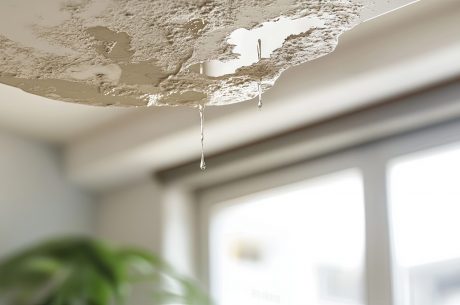
While burst pipes and roof leaks are obvious threats, condensation water damage develops slowly and quietly. By the time homeowners notice peeling paint, musty odors, or warped drywall, the damage may have been forming for weeks. Understanding how dry winter air contributes to hidden moisture problems is critical for protecting your home during extended cold spells.
In this 2026 guide, PuroClean of Layton explains why dry winter air creates hidden moisture accumulation, where problems commonly form, and how early detection can prevent costly repairs.
Table of Contents
Condensation Water Damage: Why Dry Winter Air Creates Hidden Moisture
Condensation water damage occurs when warm indoor air meets cold surfaces inside a home. During winter, Layton homes are sealed tightly to conserve heat, reducing ventilation and increasing indoor humidity levels.
The Environmental Protection Agency (EPA) explains that condensation forms when moist air contacts colder surfaces, particularly in poorly ventilated spaces. Even when outdoor air feels dry, everyday indoor activities, cooking, showering, and laundry, release moisture into the air.
At the same time, the U.S. Department of Energy notes that warm air naturally rises and moves through ceiling penetrations and attic spaces, where it cools and condenses. This repeated cycle during the winter heating season makes condensation water damage increasingly likely.
1. Windows and Window Frames Trap Moisture
One of the most visible signs of condensation water damage is moisture buildup on windows. Cold glass surfaces attract condensation when indoor humidity is elevated.
The Centers for Disease Control and Prevention (CDC) states that prolonged condensation can contribute to mold growth and material deterioration. Window frames, especially wood frames, may begin to swell or rot after extended exposure.
If condensation persists daily, the surrounding drywall may also absorb moisture.
2. Attic Spaces Accumulate Hidden Moisture
Attics are especially vulnerable during dry winter conditions. Warm air escaping from living spaces condenses on cold roof decking and framing.
The U.S. Department of Energy explains that the stack effect drives warm, moisture-laden air upward, increasing attic condensation during the heating season. Over time, this moisture may soak into insulation and support mold growth.
Attic-based condensation water damage often remains hidden until staining or odors appear.
3. Wall Cavities Become Moisture Traps
Exterior walls experience significant temperature differences between indoors and outdoors. When humid indoor air infiltrates wall cavities, condensation forms inside.
The Environmental Protection Agency emphasizes that hidden moisture behind walls can lead to mold growth within 24–48 hours. Because wall cavities are enclosed, moisture may remain trapped for extended periods.
This silent buildup contributes directly to condensation water damage.
4. Basement Humidity Increases in Winter
Basements often feel dry in winter, but condensation can still form on concrete walls and pipes due to temperature differentials.
The U.S. Geological Survey (USGS) explains that subsurface moisture and freeze–thaw cycles affect foundation walls even during dry conditions. Cold foundation surfaces combined with warmer basement air promote condensation.
Persistent dampness may lead to structural weakening and mold growth.
5. HVAC Systems Recirculate Moisture
During extended heating season, HVAC systems recirculate indoor air continuously. If humidity levels are not controlled, moisture remains suspended in circulated air.
The American Society of Heating, Refrigerating and Air-Conditioning Engineers (ASHRAE) recommends maintaining balanced humidity levels to reduce condensation and microbial growth. Improperly balanced systems increase the risk of condensation water damage.
Routine maintenance reduces this hazard.

6. Insulation Becomes Compromised
When insulation absorbs condensation, it loses effectiveness and retains moisture against structural components.
The U.S. Department of Energy explains that wet insulation reduces energy efficiency and promotes structural decay. Once insulation becomes damp, drying can be difficult without professional intervention.
Insulation failure accelerates condensation water damage development.
7. Mold Growth Follows Persistent Moisture
Condensation creates the moisture conditions mold needs to grow.
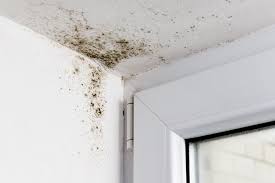
The Centers for Disease Control and Prevention explains that mold exposure can cause respiratory irritation, coughing, sinus congestion, and headaches. Even small hidden moisture sources can support microbial growth.
This makes condensation water damage both a structural and health concern.
Why Layton Homes Face Elevated Risk
Layton’s winter climate includes cold nights and fluctuating daytime temperatures. These conditions intensify indoor-outdoor temperature differences that drive condensation.
The National Weather Service notes that winter temperature swings increase condensation potential inside homes. Extended heating use compounds the issue.
Understanding these regional patterns helps homeowners take preventative action.
What causes condensation water damage in winter?
Condensation water damage occurs when warm indoor air meets cold surfaces, causing moisture buildup.
Can dry winter air still cause moisture problems?
Yes. Dry outdoor air combined with indoor heating creates temperature imbalances that produce condensation.
Where does condensation damage commonly occur?
Windows, attics, wall cavities, and basements are frequent problem areas.
How can homeowners prevent condensation water damage?
Maintain balanced humidity, improve ventilation, seal air leaks, and schedule professional inspections.
How PuroClean of Layton Helps Protect Your Home
When condensation water damage leads to mold growth or structural deterioration, rapid response is essential. PuroClean of Layton provides:
- Moisture detection and thermal imaging
- Structural drying services
- Mold inspection and remediation
- Indoor air quality assessments
- Insurance documentation support
All remediation follows standards established by the Institute of Inspection, Cleaning and Restoration Certification (IICRC), ensuring professional and compliant mitigation.
For expert assistance in Layton, contact PuroClean of Layton at (801) 513-2232.
Dry Winter Does Not Mean Low Risk
Condensation water damage develops quietly in Layton homes during dry winter months. Even when snow is absent, indoor humidity and heating patterns create hidden moisture that affects walls, insulation, and air quality.
Homeowners who understand this seasonal dynamic can prevent costly repairs and health concerns.
PuroClean of Layton remains a trusted local expert in moisture detection, mold remediation, and winter property restoration.

 PuroClean of Layton