


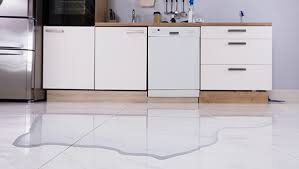
Dishwasher leak problems are among the most common appliance issues homeowners face, especially when water begins leaking from the dishwasher door during or after a wash cycle. While it may seem like a minor inconvenience, a leaking dishwasher door can quickly lead to hidden moisture damage beneath flooring, behind cabinets, and inside wall cavities.
Many Layton homeowners initially notice:
- water pooling in front of the dishwasher
- damp kitchen flooring
- cabinet swelling
- musty odors
- recurring puddles after wash cycles
The good news is that a dishwasher leak from the door often provides warning signs before significant damage occurs.
The bad news is that many homeowners delay investigating the problem, allowing moisture to spread deeper into the structure of the home.
In this 2026 homeowner guide, PuroClean of Layton explains why dishwasher doors leak, what warning signs homeowners should watch for, and when a simple appliance issue becomes a water damage restoration problem.
Dishwasher Leak Problems Often Start Small
Dishwasher leak issues rarely begin with major flooding.
Most start with:
- worn seals
- clogged spray arms
- excessive detergent
- loose components
- improper loading
Because the water appears limited to the front of the appliance, many homeowners underestimate the potential damage.
The Insurance Information Institute notes that appliance-related water damage remains one of the most common homeowner insurance claims in the United States. The Environmental Protection Agency (EPA) also explains that mold can begin growing within 24–48 hours after moisture exposure when conditions remain damp.
This is why every dishwasher leak deserves immediate attention.

Why Water Leaking From the Dishwasher Door Is a Bigger Problem Than It Looks
A dishwasher door leak often creates hidden moisture problems because water spreads beneath:
- kitchen flooring
- baseboards
- cabinets
- subfloors
- adjacent walls
By the time homeowners notice:
- warping
- swelling
- mold odors
- discoloration
water may already have migrated beyond the kitchen area.
This is one reason dishwasher leak restoration projects often uncover much larger moisture problems than homeowners expected.
7 Common Reasons Water Is Leaking Out of Your Dishwasher Door
1. The Door Gasket Is Worn or Damaged
The rubber gasket around the dishwasher door creates a watertight seal.
Over time, this gasket may:
- crack
- flatten
- tear
- become brittle
Once the seal deteriorates, water escapes during wash cycles.
A damaged gasket is one of the most common causes of a dishwasher leak from the door.
2. The Dishwasher Is Not Level
Dishwashers are designed to operate on level surfaces.
When the appliance tilts forward, water may collect against the door and escape during operation.
Many homeowners discover that correcting appliance alignment resolves recurring dishwasher leak problems.
3. Spray Arms Are Damaged or Obstructed
Spray arms direct water throughout the dishwasher during cleaning cycles.
If spray arms:
- crack
- loosen
- become clogged
water may spray directly toward the door seal.
This excessive water pressure often causes leakage around the front of the appliance.
4. Too Much Detergent Creates Excessive Suds
Using the wrong detergent or excessive detergent can create heavy sudsing.
Those suds may force water past the door seal and create what appears to be a dishwasher leak.
Many modern dishwashers require specific detergent formulations to operate properly.
24/7 Emergency Water Damage Restoration Available in Layton
A leaking dishwasher can quickly damage flooring, cabinets, and subfloors before homeowners realize the extent of the problem.
PuroClean of Layton provides emergency water damage restoration services throughout Layton and surrounding communities.
📞 Call (801) 513-2232 now for immediate assistance.
5. The Door Latch Is Not Closing Properly
A faulty latch may prevent the dishwasher door from sealing completely.
Even a slight opening allows water to escape during wash cycles.
Warning signs include:
- difficulty closing the door
- uneven sealing
- visible gaps
- recurring front-floor puddles
6. Food Debris Is Blocking the Seal
Food particles and debris may accumulate around the gasket.
Over time, buildup prevents the seal from sitting flush against the door frame.
This small issue frequently causes recurring dishwasher leak complaints.
Regular cleaning around the seal helps reduce this risk.
7. Internal Components May Be Failing
In some situations, the visible leak is only a symptom of a larger issue.
Problems involving:
- pumps
- inlet valves
- hoses
- drain systems
may increase water pressure or redirect water improperly inside the appliance.
Professional appliance repair may be necessary to diagnose these failures.
How to Tell If Water Damage Has Already Started
Many homeowners focus on fixing the dishwasher while overlooking hidden water damage.
Warning signs include:
Flooring Problems
- buckling
- soft spots
- swelling
- discoloration
Cabinet Damage
- warped panels
- swollen bases
- peeling finishes
Moisture Warning Signs
- musty odors
- elevated humidity
- recurring dampness
Mold Indicators
- mildew smells
- visible discoloration
- allergy symptoms
These warning signs often indicate moisture has spread beyond the immediate leak area.
What Homeowners Should Do Immediately
If you discover a dishwasher leak:
Stop Using the Appliance
Avoid running additional cycles until the cause is identified.
Clean Visible Water
Remove standing water immediately.
Inspect Nearby Areas
Check:
- cabinets
- flooring
- baseboards
- adjacent walls
Monitor for Moisture
Watch for:
- odors
- swelling
- soft flooring
- recurring dampness
Schedule Professional Moisture Detection
Hidden moisture frequently remains beneath surfaces even after visible cleanup.

Why Small Dishwasher Leaks Often Lead to Mold Growth
Many homeowners are surprised to learn that a dishwasher leak can contribute to mold contamination.
Moisture trapped beneath:
- cabinets
- flooring
- drywall
creates ideal conditions for mold growth.
Because these areas remain hidden, mold often spreads unnoticed until:
- odors appear
- flooring deteriorates
- indoor air quality changes
This is one reason quick response is so important.
Should You Call a Restoration Company or an Appliance Repair Company?
The answer often depends on how long the leak has been active.
If the dishwasher leak is newly discovered and no visible water damage exists, appliance repair may be sufficient.
However, homeowners should consider restoration professionals when:
- flooring is wet
- cabinets are swollen
- odors are present
- moisture has spread
- mold is suspected
In many cases, both services are necessary.
What Layton Homeowners Need to Know About Dishwasher Leaks
Can a dishwasher leak damage subfloors?
Yes. Water frequently spreads beneath flooring materials and affects subfloor structures.
Can small leaks cause mold growth?
Absolutely. Even slow leaks may create enough moisture for mold to develop.
Will visible cleanup remove all moisture?
Not always. Hidden moisture often remains trapped beneath flooring and cabinets.
Should homeowners inspect surrounding cabinets?
Yes. Cabinet bases are among the first areas affected by recurring dishwasher leaks.
How PuroClean of Layton Helps After Appliance Leaks
PuroClean of Layton provides professional restoration services for appliance-related water damage.
Services include:
- moisture mapping
- thermal imaging
- water extraction
- structural drying
- dehumidification
- mold remediation
- odor removal
- insurance claim support
The team helps homeowners identify hidden moisture before larger structural damage develops.
Don’t Let a Small Dishwasher Leak Become a Major Restoration Project
Water can spread beneath flooring and cabinets long before visible damage appears.
PuroClean of Layton provides 24/7 emergency water damage restoration services throughout Layton and surrounding communities.
📞 Call (801) 513-2232 today for immediate help.
Common Questions About Dishwasher Door Leaks
Why is my dishwasher leaking from the bottom of the door?
Common causes include worn door seals, clogged spray arms, excessive detergent, and improper leveling.
Can a dishwasher leak damage hardwood floors?
Yes. Water can quickly penetrate hardwood flooring and cause warping, swelling, and staining.
How quickly can mold grow after a dishwasher leak?
Under the right conditions, mold may begin developing within 24–48 hours of moisture exposure.
Should I continue using a leaking dishwasher?
No. Continued use increases the risk of hidden water damage and mold growth.
A Dishwasher Door Leak Is Never “Just a Small Leak”
A dishwasher leak may start as a few drops of water at the front of the appliance, but the damage it creates can extend far beyond what homeowners see on the surface. Hidden moisture beneath flooring and cabinets can quietly lead to mold growth, structural deterioration, and expensive repairs.
The sooner the problem is identified and addressed, the lower the risk of widespread damage.
PuroClean of Layton remains a trusted local leader in appliance-related water damage restoration, helping homeowners detect hidden moisture, prevent mold growth, and restore their homes quickly and professionally.