


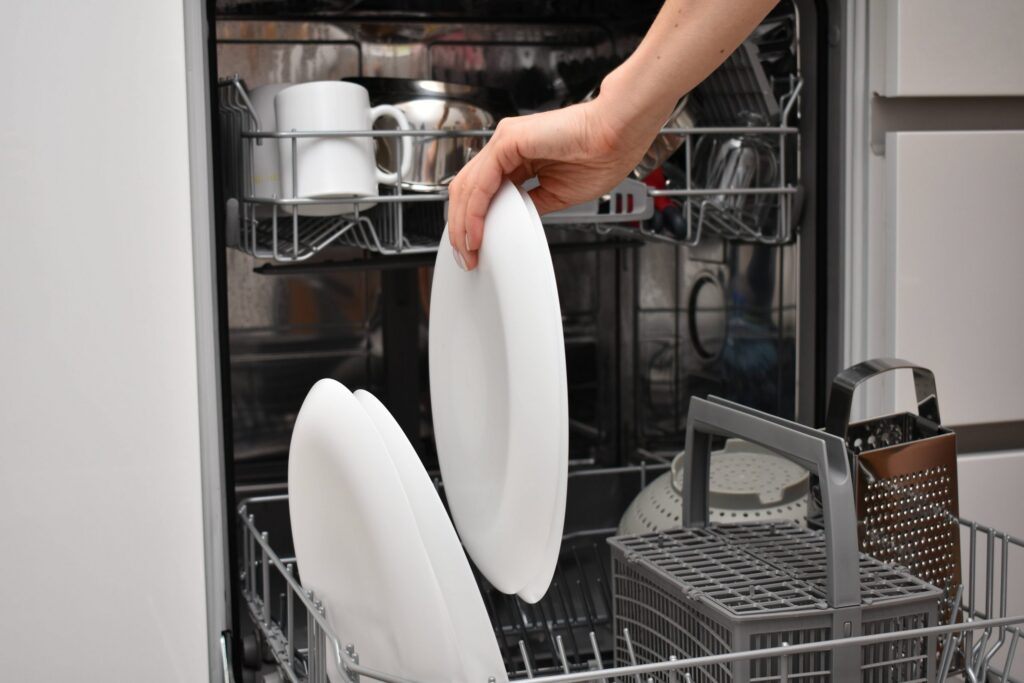
Dishwasher leak from bottom is one of the most common appliance-related emergencies homeowners face, yet it is often ignored until significant damage has already occurred. Many people discover a small puddle beneath their dishwasher and assume it is a minor issue that can wait until the weekend.
Unfortunately, hidden water damage does not wait.
A dishwasher leak from bottom can allow water to spread beneath:
- kitchen flooring
- cabinets
- drywall
- insulation
- subfloors
long before visible damage appears.
What starts as a few ounces of leaking water during each wash cycle can quietly cause:
- warped flooring
- mold growth
- cabinet damage
- structural moisture problems
- indoor air quality concerns
In this 2026 homeowner guide, PuroClean of Layton explains what causes dishwasher leaks, what homeowners should do immediately, and how fast action can prevent expensive restoration costs later.
Dishwasher Leak From Bottom Problems Are More Serious Than Most Homeowners Realize
Dishwasher leak from bottom incidents often begin gradually.
Many homeowners first notice:
- a damp kitchen floor
- water near cabinet bases
- musty smells
- swollen trim
- occasional puddles
Because the leak appears small, it is frequently ignored.
The problem is that water often travels where homeowners cannot see it.
A dishwasher leak from bottom may spread beneath flooring materials and inside cabinet structures for days or weeks before visible warning signs become obvious.
According to the Insurance Information Institute, appliance-related water damage remains one of the most common causes of homeowner insurance claims. Likewise, the Environmental Protection Agency (EPA) notes that mold can begin developing within 24–48 hours after moisture exposure when conditions remain damp.
This is why fast response matters whenever a dishwasher leak from bottom occurs.
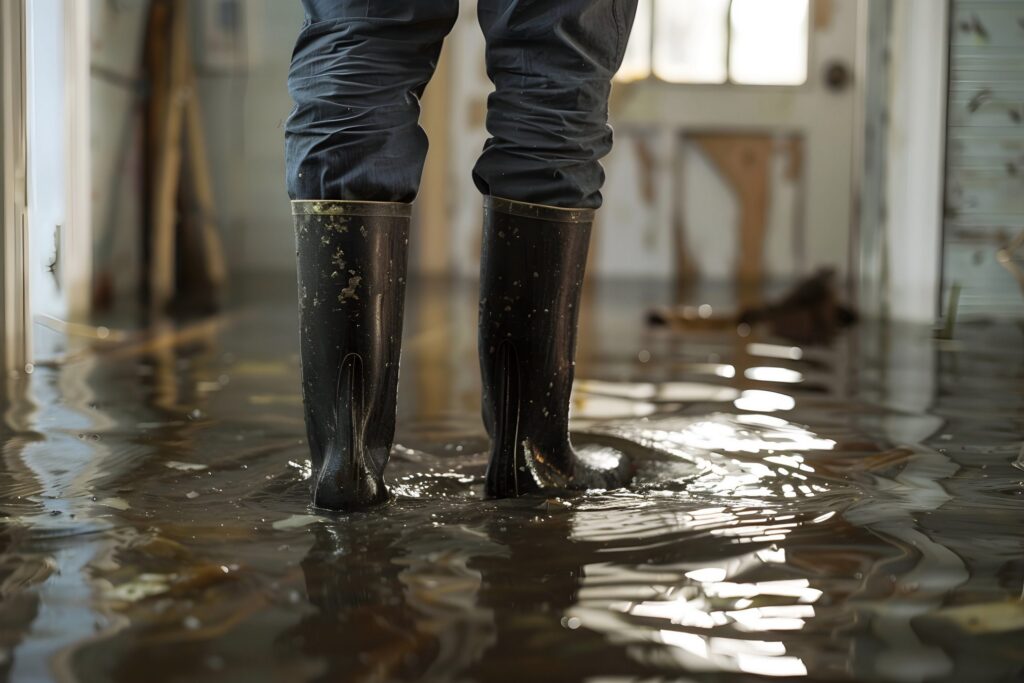
What Causes a Dishwasher Leak from Bottom?
Several issues may contribute to a dishwasher leak from bottom.
Common causes include:
- damaged door seals
- clogged filters
- cracked hoses
- loose plumbing connections
- worn water inlet valves
- damaged pump assemblies
- excessive detergent use
- improper dishwasher leveling
While some causes are minor, others may indicate hidden plumbing or appliance failures that require immediate attention.
7 Urgent Steps Homeowners Should Take Immediately
1. Stop Running the Dishwasher
The first thing homeowners should do after discovering a dishwasher leak from bottom is stop using the appliance immediately.
Continuing operation allows additional water to spread beneath:
- flooring
- cabinets
- walls
- nearby appliances
Even small amounts of repeated leakage can create significant hidden moisture damage over time.
2. Shut Off the Water Supply if Necessary
If water continues leaking after the cycle ends, homeowners should locate the dishwasher supply valve and shut it off.
This helps prevent:
- ongoing water intrusion
- cabinet saturation
- flooring damage
- additional cleanup costs
3. Remove Standing Water Quickly
Visible water should be cleaned immediately using:
- towels
- mops
- wet vacuums
The faster standing water is removed, the lower the risk of:
- flooring damage
- mold growth
- moisture migration
However, removing visible water does not necessarily eliminate hidden moisture.
4. Inspect Nearby Cabinets and Flooring
Many dishwasher leak from bottom situations involve water spreading beyond the visible puddle.
Check for:
- swollen cabinet bases
- warped flooring
- soft spots
- peeling finishes
- discoloration
These signs often indicate hidden moisture beneath surfaces.
24/7 Emergency Water Damage Response Available
A dishwasher leak can quickly spread beneath flooring and cabinetry before visible damage appears.
PuroClean of Layton provides emergency water damage restoration services throughout Layton and surrounding communities.
📞 Call (801) 513-2232 now for immediate assistance.
5. Look for Signs of Hidden Moisture
One of the biggest mistakes homeowners make is assuming the damage ends where they can see water.
A dishwasher leak from bottom may affect:
- subfloors
- drywall
- insulation
- adjacent rooms
Warning signs include:
- musty odors
- elevated humidity
- discoloration
- soft flooring
- recurring dampness
These often indicate moisture has already migrated into surrounding materials.
6. Watch for Mold Development
Because moisture often remains trapped beneath flooring and cabinets, mold growth can begin quickly.
Homeowners should monitor for:
- musty smells
- dark discoloration
- allergy symptoms
- persistent dampness
The longer moisture remains active, the greater the likelihood mold contamination will develop.
7. Schedule a Professional Moisture Inspection
The safest way to evaluate hidden damage is through professional moisture detection.
Advanced restoration equipment can identify:
- trapped moisture
- subfloor saturation
- wall cavity moisture
- hidden water migration
This allows homeowners to address problems before larger structural damage develops.
What Happens When a Dishwasher Leak Is Ignored?
Many homeowners delay action because the leak seems minor.
Unfortunately, delayed response often leads to:
- warped flooring
- cabinet replacement
- mold remediation
- drywall removal
- structural drying
- larger insurance claims
A dishwasher leak from bottom that continues for weeks can cause significantly more damage than homeowners initially expect.
Why Kitchen Water Damage Often Remains Hidden
Kitchen leaks are especially difficult to detect because water frequently spreads beneath:
- cabinets
- dishwashers
- flooring systems
- baseboards
These concealed spaces allow moisture to remain active long after visible water disappears.
Many homeowners only discover extensive damage after noticing:
- soft flooring
- mold odors
- cabinet swelling
- discoloration
This delayed discovery often increases restoration costs.
Common Signs Water Damage Has Already Spread
If a dishwasher leak from bottom has been active for some time, homeowners may notice:
Flooring Changes
- buckling
- warping
- soft spots
- separation
Cabinet Damage
- swelling
- discoloration
- peeling finishes
- loose trim
Indoor Air Quality Changes
- musty odors
- elevated humidity
- stale air
Visible Moisture Signs
- stains
- mold growth
- damp drywall
These warning signs should never be ignored.

Why Professional Drying Is Often Necessary
Many hidden moisture problems remain after homeowners clean visible water.
Professional restoration teams use:
- moisture meters
- thermal imaging
- industrial drying equipment
- dehumidification systems
to ensure water is removed completely.
Without proper drying, moisture may remain trapped behind surfaces for weeks.
What Layton Homeowners Need to Know About Dishwasher Leaks
Can a dishwasher leak cause mold growth?
Yes. Moisture trapped beneath flooring and cabinets may support mold growth within 24–48 hours.
Should homeowners continue using a leaking dishwasher?
No. Continued operation increases the amount of water entering hidden building materials.
Can small leaks damage subfloors?
Absolutely. Slow leaks often cause significant subfloor deterioration because they remain active longer before discovery.
Will visible cleanup remove all moisture?
Not necessarily. Hidden moisture often remains beneath flooring and cabinetry even after surfaces appear dry.
How PuroClean of Layton Handles Appliance Water Damage
PuroClean of Layton provides professional restoration services for appliance-related water damage emergencies.
Services include:
- moisture mapping
- thermal imaging
- water extraction
- structural drying
- dehumidification
- mold remediation
- odor removal
- insurance claim assistance
The team helps homeowners identify hidden moisture quickly and prevent larger restoration expenses later.
Don’t Wait Until a Small Leak Becomes a Major Restoration Project
What appears to be a minor dishwasher leak today can quickly turn into flooring, cabinet, and mold damage tomorrow.
PuroClean of Layton provides 24/7 emergency water damage restoration services throughout Layton and surrounding communities.
📞 Call (801) 513-2232 today for immediate help.
Frequently Asked Questions About Dishwasher Leaks
Can a dishwasher leak damage hardwood floors?
Yes. Water can quickly penetrate hardwood flooring and cause swelling, warping, and staining.
How quickly can mold develop after a dishwasher leak?
Mold may begin developing within 24–48 hours when moisture remains trapped.
Should homeowners replace cabinets after water damage?
Not always. Early drying may save cabinets if moisture is addressed quickly.
Can water spread beneath flooring without visible signs?
Yes. Water often migrates beneath flooring systems before homeowners notice surface damage.
Fast Action Protects Your Home
A dishwasher leak from bottom may seem minor at first, but hidden moisture can spread quickly beneath flooring, cabinets, and surrounding structures. The longer water remains active, the higher the risk of mold growth, structural deterioration, and costly restoration work.
The good news is that immediate action can dramatically reduce damage.
By stopping the leak, removing visible water, and scheduling professional moisture inspections quickly, homeowners can often avoid much larger repairs later.
PuroClean of Layton remains a trusted local leader in appliance water damage restoration, helping homeowners identify hidden moisture, prevent mold growth, and restore their homes safely and efficiently.