


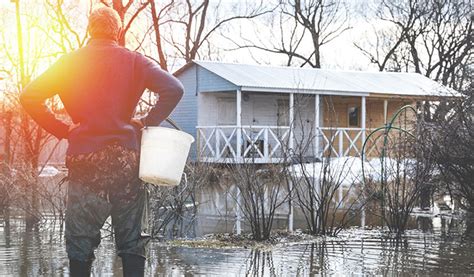
Emergency preparedness is one of the most important yet often overlooked responsibilities for Layton homeowners, especially in January, when winter conditions heighten the risk of water damage, power outages, frozen pipes, roof leaks, and health hazards. While many homeowners react only after damage occurs, those who plan are far more likely to limit losses, protect their families, and recover faster.
January brings a unique combination of threats: fluctuating temperatures, snow accumulation, ice dams, and increased strain on plumbing and heating systems. These conditions create emergencies that escalate quickly if homeowners are unprepared.
In this 2026 guide, PuroClean of Layton outlines why January is the most critical month for emergency readiness and provides a practical, homeowner-focused emergency preparedness roadmap designed specifically for Layton homes.
Table of Contents
Emergency Preparedness: Why January Is the Most Dangerous Month for Layton Homes
emergency preparedness becomes especially critical in January because winter damage often develops silently before becoming visible. Pipes freeze and thaw, snowmelt infiltrates roofs, and condensation builds behind walls while homes remain sealed against the cold.
The Federal Emergency Management Agency explains that winter emergencies escalate faster than other seasonal disasters because cold temperatures reduce response time and increase the risk of secondary damage. At the same time, the National Weather Service notes that winter storms frequently cause cascading issues such as power loss, water intrusion, and structural stress.
January is when preparedness gaps are most likely to become costly emergencies.
1. Prepare for Frozen Pipes Before They Thaw
One of the most common January emergencies in Layton involves frozen pipes that burst once temperatures rise. Many homeowners do not realize damage has occurred until water is already spreading inside walls and floors.
The Insurance Information Institute explains that frozen pipe damage is one of the leading winter insurance claims and often worsens rapidly after thawing. Preparing shut-off access, insulating vulnerable pipes, and knowing how to respond immediately reduces damage significantly.
This step alone makes emergency preparedness far more effective.
2. Plan for Hidden Water Intrusion from Snow and Ice
Another overlooked January risk is slow water intrusion from snowmelt and ice dams. Water may enter attics, walls, and ceilings without producing immediate leaks.
The U.S. Department of Energy explains that ice dams force melting snow beneath shingles and into roof assemblies, where moisture can remain trapped for extended periods. Without early detection, this moisture leads to insulation failure and mold growth.
A strong emergency preparedness plan includes regular attic and ceiling checks during winter.
3. Prepare for Power Outages and Heating Failures
January power outages pose serious safety risks in Layton homes, especially during prolonged cold spells. Loss of heat can quickly lead to frozen plumbing, unsafe indoor temperatures, and health emergencies.
The Centers for Disease Control and Prevention emphasizes that winter power outages increase the risk of hypothermia, carbon monoxide exposure, and home fires when alternative heating sources are used improperly. Emergency supplies, safe heating plans, and backup power options are essential.
Emergency preparedness means planning for heat loss before it happens.
4. Protect Indoor Air Quality and Health During Winter Emergencies
Many January emergencies affect more than just property; they also impact indoor air quality and health. Water damage, condensation, and poor ventilation can lead to mold growth and respiratory symptoms.
The Environmental Protection Agency explains that mold can begin growing within 24 to 48 hours of moisture exposure and often develops in hidden winter conditions. Headaches, coughing, fatigue, and sinus irritation are frequently mistaken for seasonal illness.
Effective emergency preparedness includes knowing when to call professionals for moisture and air quality assessment.

5. Have a Professional Response Plan Ready
One of the most important aspects of January emergency preparedness is knowing exactly who to call when damage occurs. Delays in professional response often lead to secondary damage and insurance complications.
The Institute of Inspection, Cleaning and Restoration Certification establishes industry standards showing that rapid mitigation dramatically reduces long-term damage after water or fire incidents. Having a trusted restoration provider identified before an emergency saves valuable time.
Prepared homeowners act immediately rather than scrambling for help.
Why Layton Homes Require January-Specific Preparedness
Layton homes face unique winter risks due to freeze–thaw cycles, snow accumulation, and housing designs that include basements and enclosed attics. These features increase vulnerability to hidden moisture and delayed damage.
The National Weather Service documents that regions experiencing frequent winter temperature fluctuations see higher rates of water intrusion and structural stress. This makes January emergency preparedness especially important for Layton homeowners.
FAQ‘s
What should emergency preparedness include in January?
January preparedness should include plans for frozen pipes, power outages, water intrusion, heating failures, and rapid professional response.
Why is January more dangerous than other months?
Winter damage escalates faster due to cold temperatures, hidden moisture, and limited response windows.
How fast should homeowners respond to winter damage?
Immediate response is critical, as secondary damage can begin within 24 to 48 hours.
Who should homeowners call during a winter emergency?
A professional restoration company should be contacted immediately to prevent further loss.
How PuroClean of Layton Supports Emergency Preparedness
When emergency preparedness plans are put into action, PuroClean of Layton provides rapid, professional response for water damage, fire damage, mold remediation, and winter-related emergencies. Services include moisture detection, water extraction, structural drying, and insurance-ready documentation.
All work follows standards established by the Institute of Inspection, Cleaning and Restoration Certification, ensuring safe, effective, and compliant restoration.
What Homeowners Should Do Right Now
January is not the time to wait. Review shut-off locations, inspect vulnerable areas, assemble emergency supplies, and save emergency contacts.
For immediate assistance or to prepare your home for winter emergencies, contact PuroClean of Layton at (801) 513-2232. Having professionals on standby is a core part of emergency preparedness.
Prepared Homes Recover Faster
Emergency preparedness is not about expecting the worst; it’s about minimizing damage when the unexpected happens. January emergencies are inevitable, but severe losses are not.
With planning, awareness, and professional support, Layton homeowners can face winter with confidence. PuroClean of Layton remains a trusted leader in emergency response, property restoration, and homeowner preparedness.