 PuroClean of Layton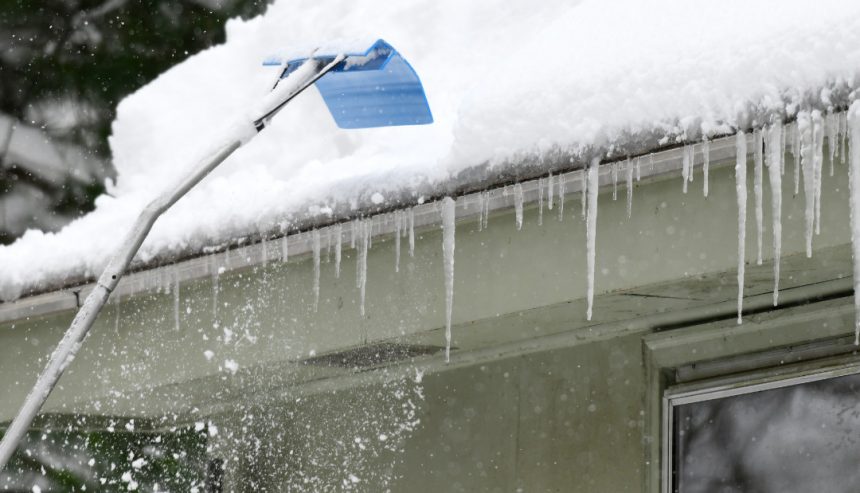
Ice dams are one of the most deceptive winter hazards affecting Layton homes because the damage they cause often begins weeks before homeowners see any visible warning signs. While many people associate ice dams with dramatic roof leaks or icicles hanging from eaves, the real destruction usually starts quietly behind walls, under roofing materials, and inside insulation.
In Layton, winter temperature swings create the perfect conditions for ice dams to form and persist. Snow melts unevenly on roofs, refreezes near colder edges, and traps water in places never designed to hold it. That trapped water slowly migrates into the home, damaging structural materials, degrading insulation, and creating moisture conditions that can lead to mold growth.
In this 2026 guide, PuroClean of Layton explains why ice dams cause damage before homeowners notice, how that damage develops silently, and the five most dangerous ways they impact Layton homes during winter.
Ice Dams: Why Damage Starts Long Before Leaks Appear
Ice dams form when heat escaping from the home melts snow on upper roof sections while colder eaves refreeze that meltwater at the edges. This creates a ridge of ice that blocks proper drainage and forces water backward beneath shingles.
The Federal Emergency Management Agency explains that ice dams allow water to infiltrate roof assemblies and wall cavities even when shingles appear intact, which is why damage often progresses unseen. At the same time, the U.S. Department of Energy notes that uneven roof temperatures caused by heat loss are a primary contributor to ice dam formation in winter climates.
Because this moisture intrusion happens internally and gradually, homeowners rarely connect the damage to its true source until much later.
1. Ice Dams Force Water Beneath Shingles Without Visible Roof Failure
One of the most damaging characteristics of ice dams is their ability to push water beneath shingles without breaking them. As meltwater pools behind the ice ridge, pressure forces it upward and inward.
According to the International Association of Certified Home Inspectors, ice dams frequently cause hidden roof leaks that do not produce immediate exterior damage. Water enters through nail penetrations and seams, saturating roof decking and insulation long before stains appear indoors.
This hidden saturation is often the first stage of long-term structural damage.
2. Moisture Travels Down Walls and Into Ceilings Undetected
Once water enters the roof assembly, it rarely stays localized. Moisture follows framing members downward through gravity and capillary action, spreading through wall cavities and ceiling spaces.
The U.S. Geological Survey explains that water naturally migrates along structural pathways, allowing moisture from ice dams to reach areas far from the roofline. By the time homeowners notice ceiling discoloration or bubbling paint, moisture has often been present for weeks.
This explains why ice dams frequently cause damage in rooms well below the attic.
3. Insulation Becomes Saturated and Loses Effectiveness
Another way ice dams cause damage before detection is by soaking attic insulation. Wet insulation loses thermal resistance, allowing even more heat to escape into the attic.
The U.S. Department of Energy explains that moisture-laden insulation significantly reduces energy efficiency and increases heat loss. This creates a feedback loop where additional heat melt feeds the ice dam, worsening water intrusion while driving up heating costs.
Homeowners often attribute higher winter energy bills to cold weather, unaware that compromised insulation is the real cause.
4. Mold Growth Begins Before Any Visible Water Damage
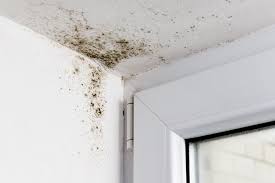
One of the most serious consequences of ice dams is mold growth that starts long before leaks are visible. Trapped moisture inside walls and attics creates ideal conditions for microbial growth.
The Centers for Disease Control and Prevention confirms that mold can begin growing within 24 to 48 hours of moisture exposure and that hidden mold commonly develops in enclosed spaces such as attics and wall cavities. By the time homeowners notice musty odors or health symptoms, mold colonies may already be established.
This makes ice dam damage not just a structural issue, but a health concern.
5. Structural Materials Weaken Gradually Over the Winter
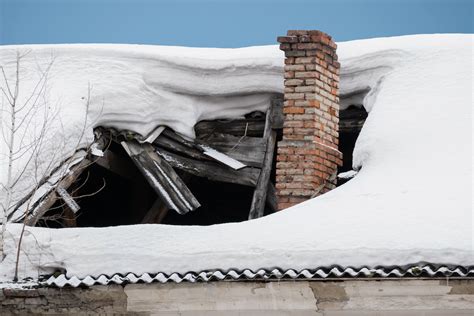
Ice dams rarely cause sudden failure. Instead, they weaken materials slowly as moisture repeatedly freezes and thaws within building components.
The National Weather Service documents that repeated freeze–thaw cycles accelerate material deterioration when moisture is present. Over time, this leads to warped wood, compromised drywall, and costly repairs that could have been prevented with early intervention.
This gradual degradation is why homeowners are often shocked by the extent of damage once it’s discovered.
Why Layton Homes Are Especially Vulnerable to Ice Dams
Layton’s winter climate combines snowfall, cold nights, and daytime warming, creating perfect conditions for ice dam formation. Homes with older insulation, poor attic ventilation, or complex rooflines face elevated risk.
The Insurance Institute for Business & Home Safety notes that ice dams are more common in regions with fluctuating winter temperatures and uneven roof heat distribution, conditions common across Layton neighborhoods.
FAQ’s
Why do ice dams cause damage without visible leaks?
Ice dams force water beneath shingles and into roof assemblies where moisture spreads internally before stains appear.
Can ice dams damage homes without heavy snowfall?
Yes, even light snow combined with heat loss and freezing temperatures can create damaging ice dams.
How fast does ice dam damage develop?
Water intrusion and insulation saturation can begin within days, while mold may develop within 48 hours.
Are ice dams an insurance issue?
Damage may be covered depending on policy terms and documentation of winter-related intrusion.
How PuroClean of Layton Responds to Ice Dam Damage
When ice dams affect Layton homes, fast professional response is critical. PuroClean of Layton provides winter-specific water damage restoration services designed to locate hidden moisture before it spreads.
Services include infrared moisture detection, water extraction, structural drying, insulation assessment, mold prevention, and insurance documentation. All restoration work follows standards established by the Institute of Inspection, Cleaning and Restoration Certification.
What Homeowners Should Do If Ice Dams Are Suspected
If you suspect ice dams are affecting your home, avoid attempting roof removal in icy conditions, monitor ceilings and attic spaces for moisture, and contact PuroClean of Layton at (801) 513-2232 immediately. Early intervention dramatically reduces repair costs and health risks.
Ice Dam Damage Starts Before You See It
Ice dams do not wait for dramatic leaks to cause damage. They work quietly, forcing water into areas homeowners rarely inspect until the problem becomes serious.
Understanding how ice dams cause hidden damage empowers Layton homeowners to act sooner. PuroClean of Layton is the trusted local expert for winter moisture intrusion, ice dam damage restoration, and proactive prevention.
To schedule an inspection or emergency service, call PuroClean of Layton at (801) 513-2232.

 PuroClean of Layton