 PuroClean of Layton
Ice Dams are one of the most underestimated winter threats facing homeowners across Northern Utah. While they may appear harmless along roof edges, the damage they cause can be extensive, leading to roof leaks, soaked insulation, ceiling collapse, mold growth, and expensive structural repairs.
For Layton homeowners, the risk is even higher. Northern Utah’s freeze-thaw cycles, heavy snowfall, and fluctuating winter temperatures create ideal conditions for ice dam formation. In this 2025 homeowner guide, PuroClean of Layton, a trusted leader in property damage restoration, explains how ice dams start, why they’re so destructive, and, most importantly, how to stop roof damage before it becomes a major restoration emergency.
Table of Contents
Ice Dams: Why They’re a Growing Threat to Layton Homes in Northern Utah
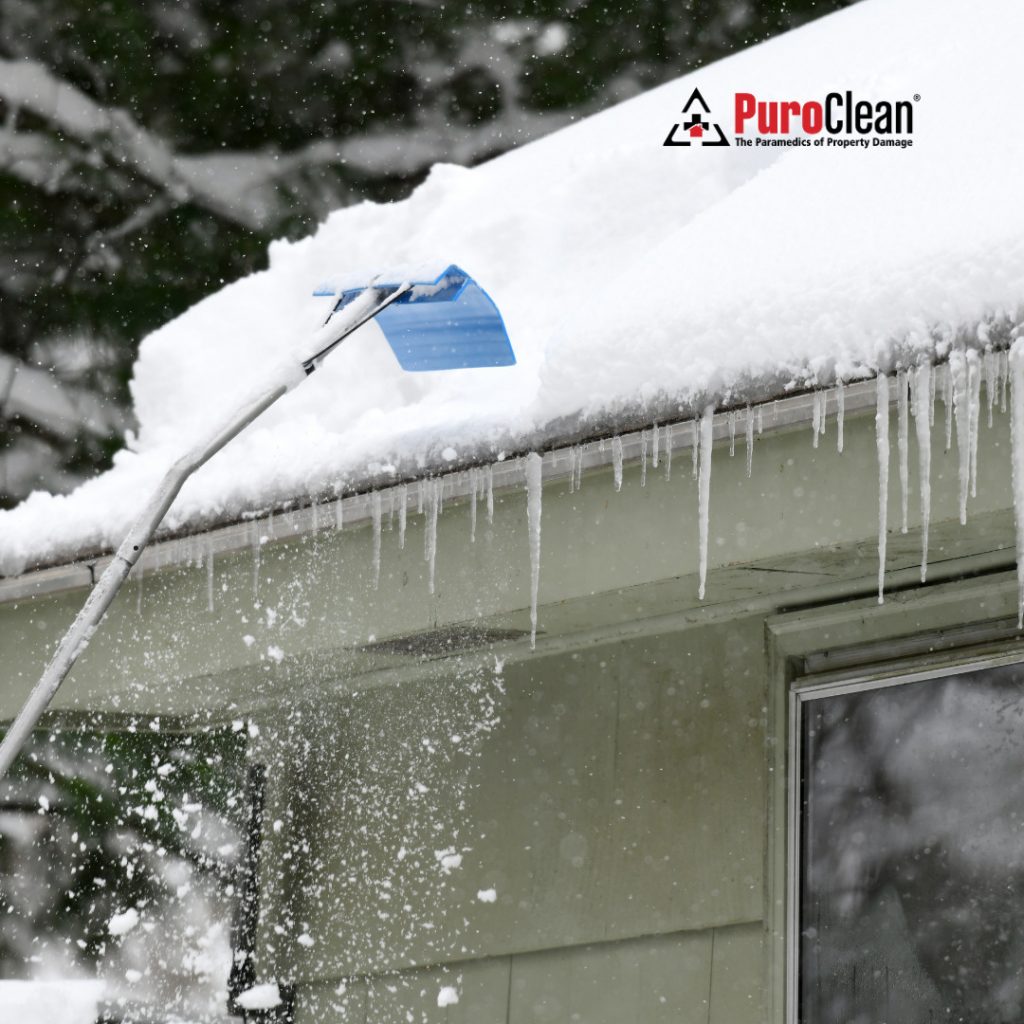
Ice Dams form when snow on a roof melts due to heat escaping from the home, then refreezes near colder roof edges. As the ice ridge thickens, it traps additional meltwater behind it. With nowhere else to go, that water is forced under shingles and into the structure of the home.
According to the Federal Emergency Management Agency (FEMA), ice dams are a leading cause of winter water intrusion and often result in hidden damage inside walls and ceilings (FEMA).
The National Weather Service (NOAA) also notes that regions with frequent freeze-thaw cycles, like Northern Utah, are especially vulnerable to ice dam formation (NOAA).
Layton homes are particularly at risk due to:
- Heavy snow accumulation followed by daytime warming
- Cold nighttime temperatures
- Attics with uneven insulation
- Older homes with air leakage issues
- Blocked gutters and downspouts
Without early intervention, ice dams can silently damage a home for weeks before the first visible signs appear.
1. Heat Loss Through the Attic Triggers Ice Dam Formation
The most common cause of Ice Dams is heat escaping from the living space into the attic. Warm air rises and leaks through gaps in ceilings, recessed lighting, attic access panels, and ductwork. This heat warms the roof deck, melting snow above.
The U.S. Department of Energy confirms that inadequate attic insulation and air sealing are primary contributors to ice dam formation in cold climates (energy.gov).
Once snow melts and refreezes at the roof edge, the cycle repeats, building thicker ice and forcing water backward under roofing materials.
Warning signs of attic heat loss include:
- Snow melting unevenly across the roof
- Icicles forming along gutters
- Warm attic temperatures during winter
PuroClean of Layton Insight: If parts of your roof clear of snow while others remain covered, heat loss is already occurring.
2. Poor Attic Ventilation Makes Ice Dams Worse
Ventilation plays a critical role in roof temperature regulation. When attic ventilation is inadequate or blocked, warm air becomes trapped, accelerating snowmelt and worsening Ice Dams.
The National Roofing Contractors Association (NRCA) explains that balanced attic ventilation, using both intake and exhaust vents, helps keep roof temperatures consistent, reducing ice dam risk (NRCA).
Common ventilation problems in Layton homes include:
- Blocked soffit vents
- Insulation covering vent openings
- Inadequate ridge or gable vents
- Improper airflow pathways
Without proper ventilation, moisture also builds up in the attic, increasing the likelihood of mold growth once water intrusion begins.
3. Northern Utah’s Freeze-Thaw Cycles Accelerate Ice Build-Up
Northern Utah experiences frequent temperature swings during winter, freezing overnight and warming during the day. These rapid changes are a perfect recipe for Ice Dams.
The National Weather Service reports that repeated freeze-thaw cycles dramatically increase ice accumulation along roof edges (NOAA).
Each cycle allows:
- Snow to melt during warmer periods
- Water to refreeze overnight
- Ice ridges to grow thicker
- Meltwater to back up further under shingles
Over time, this process forces water deeper into roof assemblies and wall cavities, often without any immediate signs inside the home.
4. Clogged Gutters and Downspouts Trap Ice and Water
Gutters and downspouts are designed to move water away from the home, but when they’re clogged with debris or frozen solid, they contribute directly to Ice Dams.
The International Association of Certified Home Inspectors (InterNACHI) identifies clogged gutters as a major cause of winter roof leaks and ice buildup (InterNACHI).
When gutters freeze:
- Meltwater can’t drain properly
- Ice accumulates along fascia boards
- Water spills behind siding and into walls
- Moisture travels downward toward the basement
PuroClean Tip: Cleaning gutters in late fall, and checking them again before heavy snowfall, significantly reduces winter water damage risk.
5. Ice Dams Cause Hidden Interior Damage Long Before Leaks Appear
While roof damage may be visible, the most expensive consequences of Ice Dams occur inside the home. Water forced under shingles often travels along framing, insulation, and drywall before becoming visible.
According to the Environmental Protection Agency (EPA), moisture trapped in building materials can lead to mold growth within 24–48 hours (EPA).
Hidden damage commonly includes:
- Wet attic insulation
- Ceiling stains
- Warped drywall
- Mold growth in wall cavities
- Reduced indoor air quality
By the time homeowners notice discoloration or bubbling paint, extensive damage has often already occurred.
6. Why Ice Dams Often Lead to Mold Problems in Winter
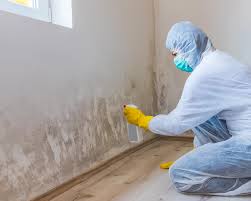
Because Ice Dams create slow, persistent leaks rather than sudden flooding, moisture remains trapped for long periods. Cold winter temperatures prevent evaporation, allowing mold to grow undetected.
The Centers for Disease Control and Prevention (CDC) warns that mold exposure can worsen asthma and respiratory conditions, especially during winter when homes are sealed tight (CDC).
Mold commonly develops in:
- Attic insulation
- Ceiling cavities
- Exterior wall framing
- Areas behind drywall
PuroClean of Layton Advice: Musty odors during winter are often an early sign of hidden moisture and mold.
7. DIY Ice Dam Removal Can Make Roof Damage Worse
Many homeowners attempt to remove ice themselves, but improper methods often cause more harm than good. Using sharp tools or excessive force can damage shingles, flashing, and gutters.
The NRCA strongly advises against mechanical ice removal and recommends prevention and professional mitigation instead (NRCA).
Dangerous DIY methods include:
- Chipping ice with hammers or chisels
- Pouring hot water on frozen roofs
- Climbing icy ladders without proper safety gear
Roof work during winter presents serious fall hazards and should always be handled by trained professionals.
How Layton Homeowners Can Prevent Ice Dams Early
Preventing Ice Dams requires a combination of insulation, ventilation, and proactive winter maintenance.
Effective prevention strategies include:
- Sealing attic air leaks
- Upgrading attic insulation to proper R-values
- Ensuring clear soffit and ridge vents
- Cleaning gutters and downspouts
- Using roof rakes to remove excess snow
- Installing ice-and-water shield membranes during roof replacement
The U.S. Department of Energy confirms that proper insulation and air sealing are the most effective long-term solutions (energy.gov).
FAQ’s
What causes ice dams on roofs?
Ice dams form when heat escapes into the attic, melting snow that refreezes at roof edges and traps water.
Are ice dams common in Northern Utah?
Yes. Northern Utah’s snowfall and freeze-thaw cycles make ice dams common in Layton and surrounding areas.
Can ice dams cause roof leaks?
Yes. Water from ice dams is forced under shingles and into walls and ceilings.
How do I know if ice dams are damaging my home?
Look for ceiling stains, peeling paint, musty odors, or ice buildup along roof edges.
How PuroClean of Layton Helps After Ice Dam Damage
When Ice Dams cause water intrusion, fast professional response is critical. PuroClean of Layton provides expert winter water damage mitigation and restoration services.
Our services include:
- 24/7 emergency response
- Water extraction and structural drying
- Infrared moisture detection
- Mold prevention and remediation
- Ceiling, wall, and insulation restoration
- Odor removal and sanitization
- Insurance documentation support
Our IICRC-certified technicians follow industry-approved water damage restoration standards to restore homes safely and thoroughly.
What to Do If You Suspect Ice Dam Damage
- Avoid disturbing affected areas
- Document visible damage with photos
- Do not attempt roof removal yourself
- Call PuroClean of Layton at (801)513-2232 for a professional assessment
- Address moisture immediately to prevent mold growth
Stop Ice Dam Damage Before It Spreads
Ice Dams may form quietly, but the damage they cause can impact your home long after winter ends. Understanding how they form, and acting early, can protect your roof, insulation, and indoor air quality.
PuroClean of Layton is your trusted local expert for winter water damage restoration, mold prevention, and complete property recovery. When ice dam damage strikes, our team is ready 24/7 to help.
For ice dam damage or emergency water restoration, call PuroClean of Layton at (801) 513-2232.

 PuroClean of Layton