


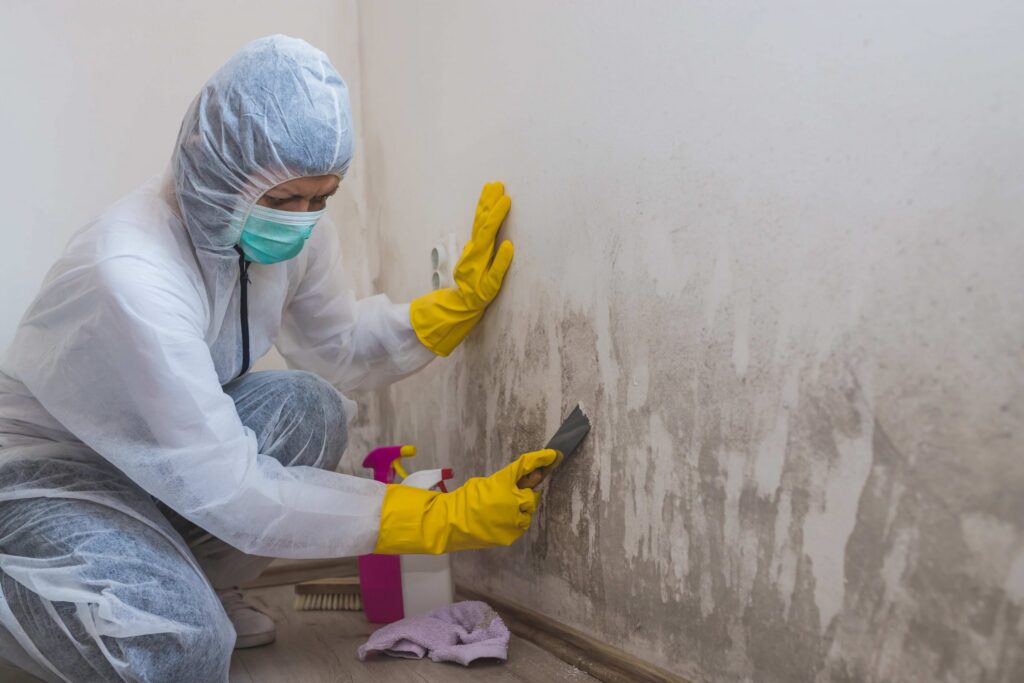
Mold remediation becomes increasingly important for homeowners across Layton and Salt Lake City every March. While mold problems are often associated with flooding or visible water leaks, the truth is that seasonal environmental shifts can quietly trigger mold growth inside homes, even when no obvious water damage occurs.
During winter, homes remain tightly sealed while heating systems run constantly. This environment traps moisture indoors and reduces ventilation. When temperatures begin rising in March and spring rain introduces new humidity into the air, conditions become ideal for mold spores to grow and spread.
Many homeowners do not realize that the transition from heating season to early spring moisture is one of the most common triggers for mold growth. Indoor humidity changes, condensation buildup, and hidden moisture in attics or wall cavities can activate mold colonies that formed earlier in winter.
In this guide, PuroClean of Layton explains why March is a turning point for mold growth, how seasonal conditions contribute to hidden contamination, and why early mold remediation protects both your home and your health.
Table of Contents
Mold Remediation: Why March Creates the Perfect Environment for Mold Growth
mold remediation demand often increases during early spring because homes experience rapid environmental changes. Throughout winter, heating systems keep homes warm while outdoor air remains cold and dry.
The Environmental Protection Agency explains that mold thrives in damp environments where humidity and poor ventilation allow spores to grow. During heating season, indoor moisture from daily activities, such as cooking, showering, and breathing, can accumulate inside homes.
At the same time, the U.S. Department of Energy explains that warm indoor air rises and carries moisture into attics and wall cavities through a process called stack effect. When temperatures fluctuate in March, this moisture can condense and create ideal conditions for mold growth.
This combination of winter moisture buildup and spring humidity is a major reason homeowners require mold remediation during seasonal transitions.
7 Reasons Mold Growth Accelerates in March
1. Indoor Humidity Rises as Winter Ends
As outdoor temperatures increase, homeowners begin opening windows and reducing heating usage. This change introduces additional humidity into indoor environments.
The Centers for Disease Control and Prevention explains that mold spores grow rapidly when moisture levels increase and ventilation is limited.
These humidity changes often trigger mold growth that requires professional mold remediation.
2. Condensation Forms in Attics and Walls
During winter, moisture from indoor air can collect in colder areas of the home, particularly attics and wall cavities.
The U.S. Department of Energy explains that condensation occurs when warm, moist air contacts cooler surfaces. This hidden moisture may remain unnoticed until mold begins to grow.
Condensation-related mold often leads to mold remediation in early spring.
3. Spring Rain Introduces New Moisture
March often marks the beginning of Utah’s early spring rain patterns.
The National Weather Service notes that seasonal precipitation changes can introduce moisture into structures through roofing systems, siding gaps, or foundation cracks.
Even small leaks can create conditions requiring mold remediation.
4. HVAC Systems Spread Dormant Mold Spores
Heating systems operate for months during winter, circulating air throughout homes. If mold spores are present in ducts or ventilation systems, they may spread once humidity levels increase.
The Environmental Protection Agency explains that HVAC systems can distribute airborne mold spores throughout buildings.
This is why professional mold remediation often includes air quality evaluation.
5. Bedrooms and Basements Become Mold Hotspots
Certain areas of homes are more vulnerable to mold growth due to limited ventilation.
Bedrooms often trap humidity overnight, while basements remain cooler and more prone to moisture accumulation.
The EPA notes that mold frequently develops in areas with limited airflow and higher humidity levels.
These spaces are common locations where homeowners first discover mold remediation needs.
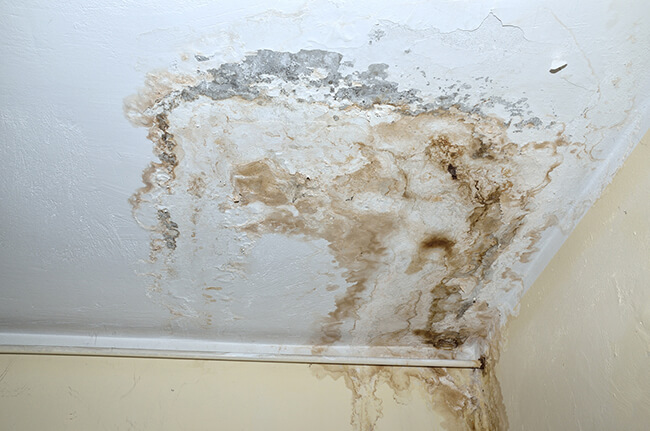
6. Hidden Winter Leaks Become Visible
Water intrusion from winter storms may remain unnoticed until spring temperatures reveal structural weaknesses.
The Insurance Information Institute explains that delayed discovery of moisture problems often leads to more extensive damage.
Once mold begins to grow in these damp areas, mold remediation becomes necessary.
7. Homeowners Reduce Vigilance After Winter
Many homeowners assume the risk of water damage decreases as winter ends. Unfortunately, this seasonal assumption often delays inspections.
The Federal Emergency Management Agency advises homeowners to inspect properties for moisture damage during seasonal transitions.
Early detection can prevent costly mold remediation.
Why Layton Homes Are Particularly Vulnerable to Spring Mold
Layton homes experience unique climate patterns due to their location along the Wasatch Front. Seasonal wind patterns, temperature fluctuations, and winter inversion conditions all influence indoor air quality and moisture levels.
The Utah Department of Environmental Quality explains that winter inversion conditions can trap air pollutants and moisture within the region. These conditions can contribute to poor indoor air circulation and elevated humidity levels.
When spring moisture combines with these environmental conditions, mold growth becomes more likely, making mold remediation essential for protecting indoor air quality.
Why does mold grow more in March?
Mold growth increases in March because rising temperatures and spring humidity activate moisture accumulated during winter.
Can mold grow without flooding or visible leaks?
Yes. Condensation, humidity, and hidden moisture can support mold growth even without obvious water damage.
What are the early signs of mold growth?
Musty odors, allergy symptoms, dark spots on walls, and persistent humidity are common warning signs.
When should homeowners schedule mold inspections?
Mold inspections are recommended in early spring when seasonal moisture changes occur.
How PuroClean of Layton Handles Mold Remediation
When mold growth occurs, rapid response helps prevent structural damage and protect indoor air quality.
PuroClean of Layton provides comprehensive mold remediation services including:
- Moisture detection and thermal imaging
- Air quality testing and mold inspections
- Containment and safe mold removal
- Structural drying and sanitation
- Insurance documentation support
All work follows standards established by the Institute of Inspection, Cleaning and Restoration Certification (IICRC), ensuring safe and professional mold remediation.
If you suspect mold growth in your Layton home, contact PuroClean of Layton at (801) 513-2232 for expert mold remediation services.
Seasonal Changes Often Trigger Hidden Mold Growth
Mold remediation becomes increasingly important during March because the environmental transition from winter heating to spring moisture creates ideal conditions for mold growth.
Humidity shifts, condensation buildup, spring rain intrusion, and ventilation changes can activate mold colonies that developed quietly during winter.
By recognizing early warning signs and scheduling seasonal inspections, Layton homeowners can protect both their property and their health.
PuroClean of Layton remains a trusted local expert in mold remediation, water damage restoration, and indoor air quality protection.