 PuroClean of Layton
mold symptoms Salt Lake City homeowners experience are frequently mistaken for winter colds, seasonal allergies, or lingering flu symptoms. Congestion that never clears, daily headaches, persistent fatigue, and breathing discomfort often feel like a normal part of winter, especially when families spend more time indoors. Because these symptoms overlap with common cold-weather illnesses, many homeowners never consider that their home environment could be the real cause.
What most people don’t realize is that winter creates ideal indoor conditions for hidden mold growth. By the time health changes become noticeable, mold may already be spreading behind walls, inside attics, or through HVAC systems. In this guide, PuroClean of Layton explains the five most common mold symptoms Salt Lake City homeowners mistake for winter illness, why they occur, and how to determine whether your home, not the season, is the real issue.
Table of Contents
Mold Symptoms Salt Lake City: Why Winter Illness Confusion Is So Common
mold symptoms Salt Lake City cases rise in winter because homes behave differently during cold months. Windows stay closed, ventilation drops, heaters run constantly, and condensation forms on cold surfaces. The Environmental Protection Agency explains that mold can begin growing within 24–48 hours whenever moisture is present, regardless of the season, which means winter condensation and slow leaks pose the same risk as summer flooding. The Centers for Disease Control and Prevention confirms that mold exposure commonly causes respiratory irritation, headaches, fatigue, and asthma flare-ups, symptoms that are frequently mistaken for seasonal illness.
When symptoms worsen indoors but improve when you leave the house, indoor mold exposure becomes a strong possibility.
1. Persistent Congestion and Sinus Pressure That Never Fully Clears
One of the most common mold symptoms Salt Lake City homeowners confuse with winter illness is ongoing nasal congestion that does not respond to cold or allergy treatments. Mold spores irritate the nasal passages and sinuses, triggering inflammation that feels like a stubborn head cold.
The Centers for Disease Control and Prevention states that mold exposure can cause nasal stuffiness, sinus pressure, sneezing, and post-nasal drip even in people without known allergies. Because winter colds are expected, many homeowners tolerate weeks of congestion without realizing the trigger is environmental rather than viral.
A key difference from a cold is that congestion often worsens at night and improves when spending time away from home.
2. Chronic Coughing or Throat Irritation Indoors
Another frequent mold symptoms Salt Lake City residents report is a dry, persistent cough or scratchy throat that appears primarily indoors. Dry winter air is often blamed, but mold spores circulating inside the home can irritate airways and trigger repeated coughing.
The World Health Organization links damp indoor environments and mold exposure to chronic respiratory symptoms, including coughing and throat irritation. Winter heating systems continuously recirculate indoor air, allowing mold spores to remain airborne and prolong exposure.
A telling sign is coughing that intensifies at night or when the furnace cycles on and improves outdoors.
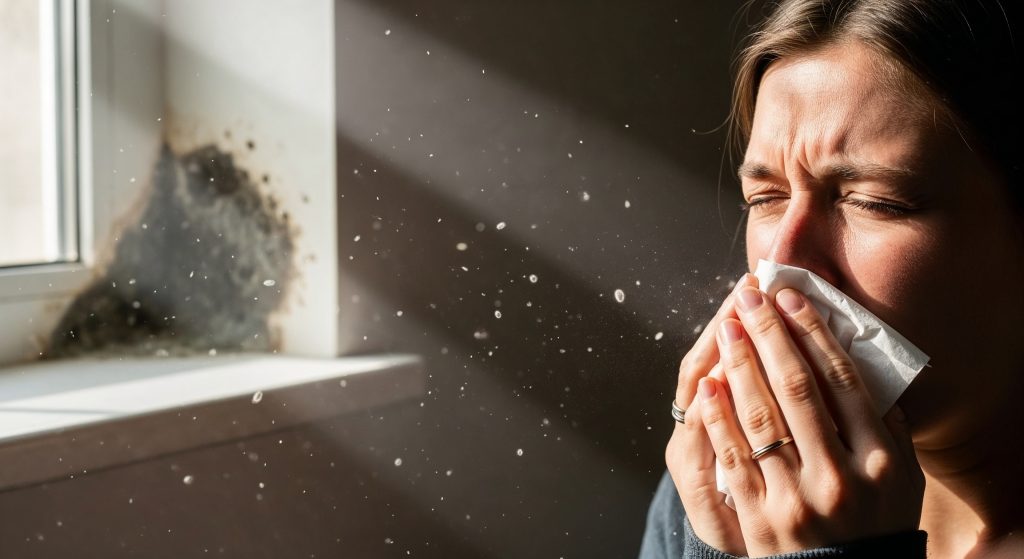
3. Headaches, Brain Fog, and Unexplained Fatigue
Many homeowners experiencing mold symptoms Salt Lake City issues report frequent headaches, difficulty concentrating, and unexplained fatigue. Mold exposure can trigger inflammatory responses that affect neurological function and energy levels.
The Centers for Disease Control and Prevention notes that exposure to moldy environments may cause headaches and fatigue, particularly with prolonged indoor exposure. Because winter often disrupts sleep patterns and routines, these symptoms are commonly dismissed as seasonal burnout, allowing exposure to continue unchecked.
When mental clarity improves outside the home, indoor air quality should be investigated.
4. Worsening Asthma or Shortness of Breath During Winter
For individuals with asthma or sensitive airways, mold symptoms Salt Lake City homes produce can become more severe during winter. Hidden mold releases spores that aggravate breathing conditions, especially in sealed indoor environments.
The Environmental Protection Agency explains that mold exposure can worsen asthma and trigger wheezing or shortness of breath, particularly indoors where ventilation is limited. Heating systems can distribute spores through ductwork, increasing exposure throughout the home.
If breathing problems intensify indoors even when outdoor air quality is stable, mold may be contributing.
5. Eye, Skin, or Throat Irritation That Feels Allergic
The final group of mold symptoms Salt Lake City homeowners often mistake for winter illness includes itchy eyes, skin irritation, and throat discomfort. These allergic-type reactions are common responses to mold spores.
The American Academy of Allergy, Asthma & Immunology confirms that mold exposure can cause eye irritation, skin reactions, and throat symptoms. Because winter air is already dry, these reactions are frequently attributed to the season rather than indoor contaminants.
Irritation that improves when humidity is controlled or when leaving the home is a strong indicator of an indoor trigger.
Why Winter Creates Ideal Conditions for Hidden Mold
Understanding why mold symptoms Salt Lake City increase in winter requires examining moisture sources. The U.S. Department of Energy explains that condensation forms when warm indoor air contacts cold surfaces, a common winter occurrence in walls and attics. Ice dams worsen the problem reminding homeowners that the Federal Emergency Management Agency warns ice dams force water beneath shingles into insulation and wall cavities where moisture remains trapped for weeks.
Frozen pipes that thaw slowly also release moisture. The Insurance Information Institute reports frozen pipes as one of the most frequent winter water damage claims nationwide, and these slow leaks often go unnoticed, allowing mold to develop behind surfaces.
FAQ’s
Can mold cause flu-like symptoms in winter? Yes, mold exposure can cause congestion, coughing, headaches, fatigue, and respiratory irritation that resemble lingering winter illness according to the Centers for Disease Control and Prevention. How do I know if my symptoms are mold-related? If symptoms worsen indoors and improve outside the home, mold exposure is likely as explained by the Environmental Protection Agency. Can mold grow in cold weather? Yes, mold grows whenever moisture is present and winter condensation and leaks create ideal indoor conditions per the Environmental Protection Agency. Is winter mold dangerous? Prolonged exposure can worsen asthma and respiratory conditions according to the World Health Organization.
How PuroClean of Layton Identifies Mold Behind Winter Symptoms
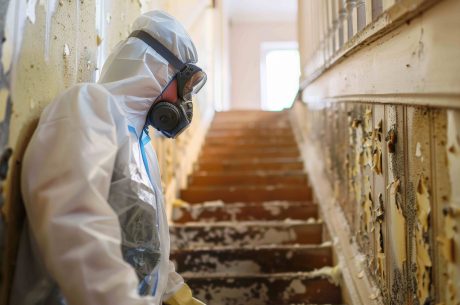
When mold symptoms Salt Lake City homeowners experience persist, professional inspection is essential. PuroClean of Layton uses winter-specific diagnostics to locate hidden moisture and mold, including infrared moisture detection, targeted inspections, HEPA air filtration, safe removal, structural drying, and prevention planning. All remediation follows the Institute of Inspection, Cleaning and Restoration Certification S520 standards to ensure safe and effective treatment.
What to Do If You Suspect Mold-Related Winter Illness
If you suspect mold symptoms Salt Lake City homes can cause are affecting your household, avoid disturbing visible growth, limit HVAC circulation until inspection, document symptoms and affected areas, reduce indoor humidity, and call PuroClean of Layton at (801) 513-2232 for a professional assessment. Early action protects both health and property.
When Winter Illness Isn’t an Illness at All
mold symptoms Salt Lake City homeowners mistake for winter sickness often point to a hidden indoor issue. Mold rarely announces itself with obvious leaks; instead, it reveals itself through persistent health changes that don’t make sense seasonally.
PuroClean of Layton is your trusted local expert for identifying and resolving mold exposure during winter. If symptoms persist at home but fade elsewhere, your environment may be the missing piece.
For expert mold inspection and remediation, call PuroClean of Layton at (801) 513-2232.


 PuroClean of Layton