


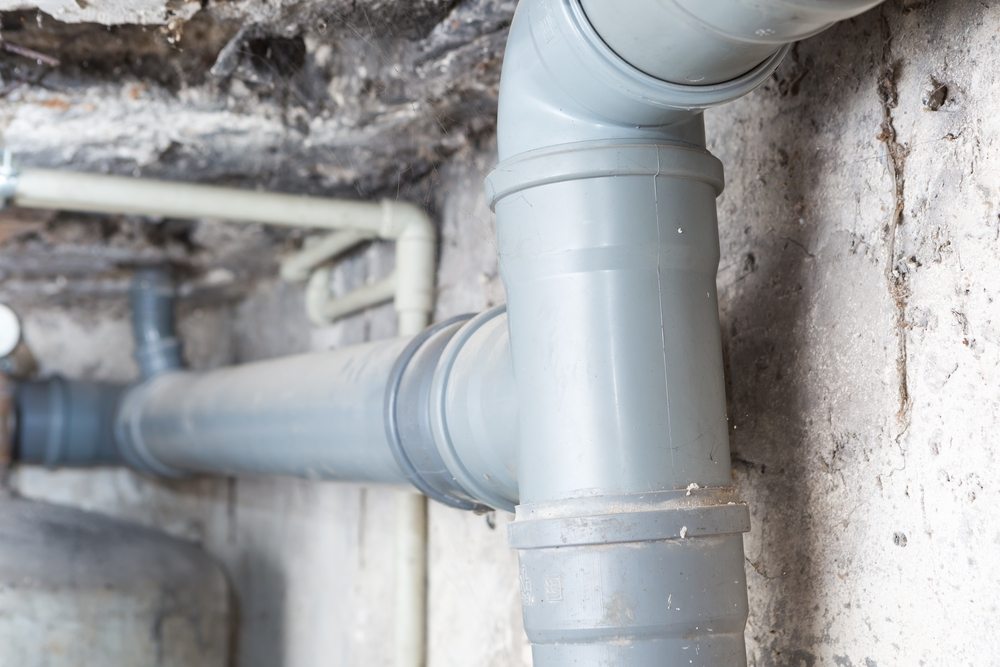
pipe burst Layton is far more common in January than in December, and that surprises many residents across Davis County. While December often brings the coldest temperatures, January is when hidden stress on plumbing systems finally results in burst pipes, flooded basements, and emergency water damage calls.
At PuroClean of Layton, January consistently produces a sharp spike in pipe-burst emergencies. The reason is not just cold weather, it’s the cumulative impact of freezing temperatures, thaw cycles, indoor heating habits, and delayed detection finally catching up to homes.
In this 2025 expert guide, we explain why Layton homes experience more pipe bursts in January than December, the warning signs homeowners often miss, and how fast action can prevent catastrophic water damage.
Table of Contents
Pipe Burst Layton: Why January Is the Breaking Point for Plumbing Systems
pipe burst Layton incidents rarely happen the moment temperatures drop. Instead, pipes are weakened gradually throughout December, then fail in January when conditions shift.
According to the Insurance Information Institute (III), frozen and burst pipes are among the most common winter insurance claims, with peak losses often occurring after prolonged cold exposure rather than during the first freeze (III).
January creates the perfect storm because:
- Pipes remain frozen for longer periods
- Thaw cycles begin returning water pressure
- Heating systems run nonstop
- Small cracks finally rupture
- Moisture that went unnoticed becomes visible
PuroClean of Layton Insight: Most January pipe bursts began as frozen pipes weeks earlier.
1. Prolonged Freezing Weakens Pipes Before They Fail
One of the biggest reasons pipe burst Layton emergencies increase in January is prolonged freezing. Pipes don’t usually burst immediately when they freeze, they weaken first.
The American Red Cross explains that water expands when frozen, creating pressure inside pipes that damages the pipe walls long before a rupture occurs (Red Cross).
By January:
- Pipes have endured weeks of freezing stress
- Expansion has created hairline fractures
- Metal and PVC materials become brittle
- Pressure builds behind ice blockages
When temperatures fluctuate, even slightly, these weakened pipes finally give way.
2. Thaw Cycles Restore Water Pressure and Cause Ruptures
Another critical factor in pipe burst Layton cases is thawing. Pipes often burst during thawing, not freezing.
The Federal Emergency Management Agency (FEMA) confirms that many pipe failures occur when frozen pipes begin to thaw and water pressure returns suddenly (FEMA).
January brings:
- Daytime temperature increases
- Partial pipe thawing
- Sudden water flow against weak sections
- Rapid pressure changes
This is why homeowners often wake up to flooding even after the coldest nights have passed.
3. Heating Systems Create Cold Zones Near Exterior Walls
In January, furnaces run continuously. While this keeps living areas warm, it also creates uneven heating inside walls and crawlspaces.
According to the U.S. Department of Energy, pipes located along exterior walls, in basements, or in crawlspaces are most vulnerable when interior heat doesn’t circulate evenly (energy.gov).
High-risk locations include:
- Kitchen sink cabinets
- Bathroom walls on exterior sides
- Garage plumbing lines
- Basement ceiling pipes
- Crawlspace water lines
These cold zones are a major contributor to pipe burst Layton emergencies discovered mid-winter.
4. Holiday Travel Delays Detection Until January
Many Layton homeowners travel during late December, leaving homes unattended or minimally monitored.
The National Association of Insurance Commissioners (NAIC) lists unattended homes as a major risk factor for winter pipe failures and claim complications (NAIC).
Common January discoveries include:
- Pipes that burst while homeowners were away
- Leaks that ran for days unnoticed
- Flooded basements after returning home
- Water damage discovered only after routines resume
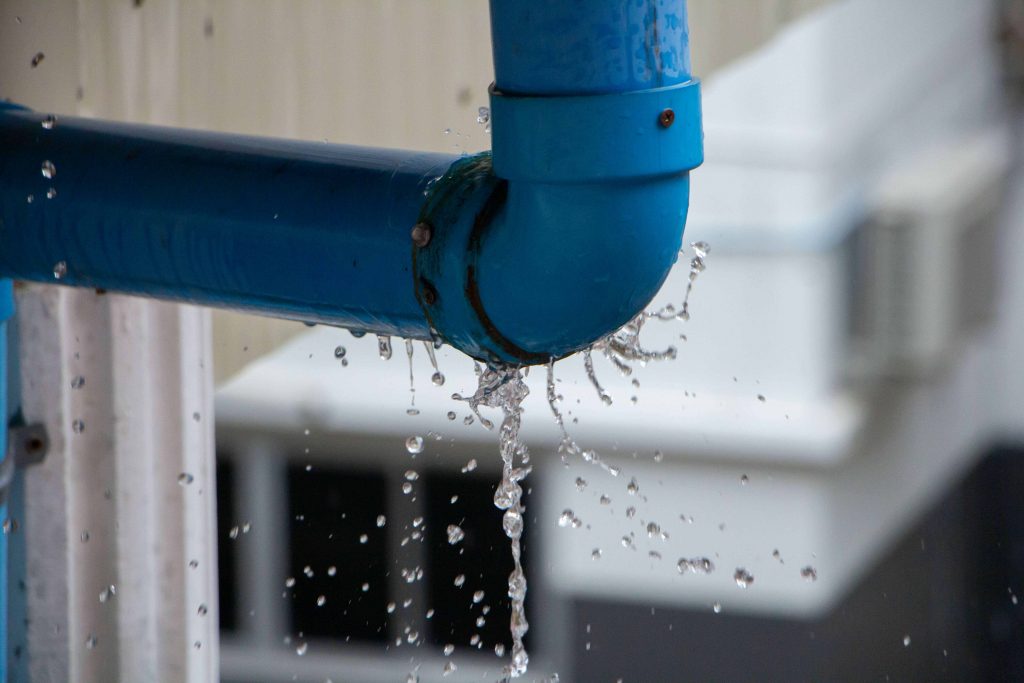
This delay is a major reason pipe burst Layton incidents are reported more often in January.
5. Small December Issues Escalate Into January Emergencies
December often provides warning signs that go ignored due to holiday busyness.
The Centers for Disease Control and Prevention (CDC) confirms that water damage left untreated can quickly lead to secondary damage, including mold growth within 24–48 hours (CDC).
Ignored warning signs include:
- Reduced water pressure
- Frost on exposed pipes
- Unusual plumbing noises
- Minor ceiling stains
- Musty odors
By January, those small issues frequently escalate into full-scale pipe burst Layton emergencies.
Why January Pipe Bursts Cause More Damage Than December
When a pipe bursts in January, the damage is often worse because:
- Water spreads further before detection
- Materials are already cold and saturated
- Drying takes longer in winter
- Mold risk increases
- Insurance disputes become more common
The Institute of Inspection, Cleaning and Restoration Certification (IICRC) states that water damage not addressed within 48 hours significantly increases structural and health risks (IICRC).
This is why January pipe bursts tend to result in larger, more expensive restoration projects.
FAQ’s
Why do pipes burst more in January than December?
Because pipes weaken during prolonged freezing and often rupture when thawing begins in January.
Are pipe bursts covered by insurance?
Usually yes, if the home was heated and maintained. Neglect or vacancy may lead to denial.
What temperature causes pipes to burst?
Pipes are most at risk when temperatures drop below 20°F for extended periods.
How can I prevent a January pipe burst?
Insulate pipes, keep heat above 55°F, allow faucets to drip, and open cabinet doors.
How PuroClean of Layton Responds to January Pipe Bursts
PuroClean of Layton specializes in rapid response to pipe burst Layton emergencies during peak winter months.
Our services include:
- 24/7 emergency water extraction
- Structural drying and dehumidification
- Infrared moisture detection
- Frozen pipe damage cleanup
- Basement and crawlspace drying
- Mold prevention and remediation
- Insurance-ready documentation
We follow IICRC S500 Water Damage Restoration Standards, ensuring proper mitigation that protects both your home and your insurance claim.
What to Do Immediately After a Pipe Burst Layton Emergency in January
If you experience a pipe burst Layton homeowners commonly face in January:
- Shut off the main water valve immediately
- Turn off electricity in affected areas
- Document damage with photos and videos
- Do not attempt DIY drying with household fans
- Call PuroClean of Layton at (801) 513-2232 immediately
- Contact your insurance provider
Fast action limits damage and reduces claim complications.
January Is the Most Dangerous Month for Pipe Bursts
pipe burst Layton incidents peak in January because winter stress finally reaches its breaking point. Prolonged freezing, thaw cycles, uneven heating, delayed detection, and holiday disruptions all combine to create the most dangerous time of year for plumbing failures.
The good news is that early intervention makes a massive difference.
PuroClean of Layton is your trusted local expert for January pipe burst cleanup, drying, and restoration. When winter plumbing disasters strike, our certified team is ready 24/7 to protect your home.
For immediate help with a pipe burst in Layton, call PuroClean of Layton at (801) 513-2232.