


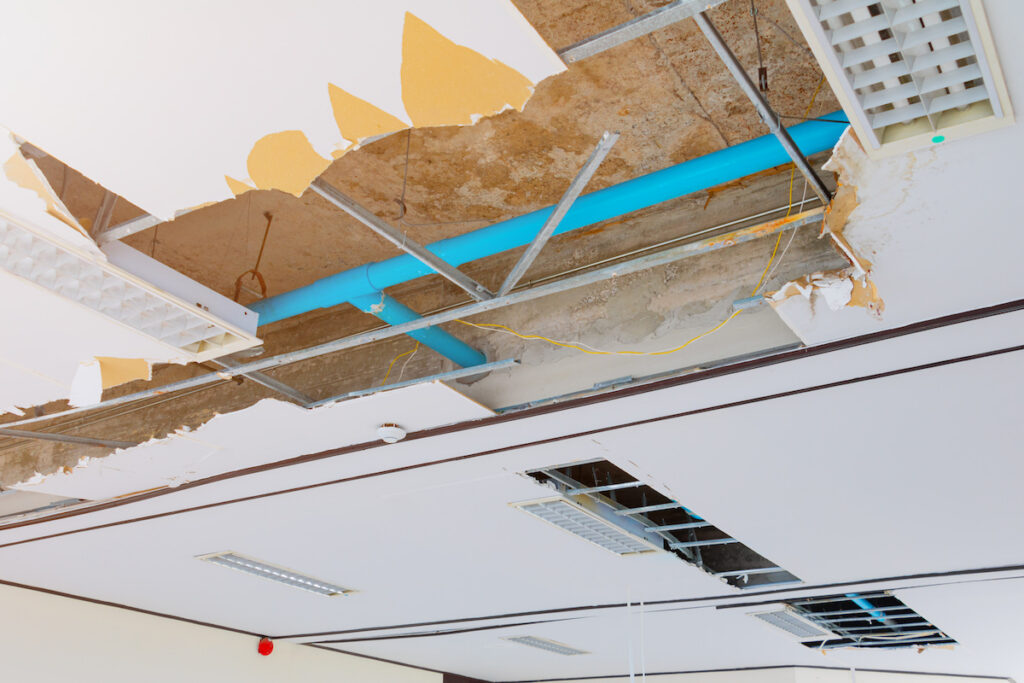
Utah’s summer storms can arrive with little warning. Heavy rain, hail, strong winds, and lightning can all place tremendous stress on your roof, sometimes causing damage that’s impossible to see from the ground.
Many homeowners believe they’re safe if they don’t notice water dripping from the ceiling immediately after the storm.
Unfortunately, that’s not always the case.
A roof leak after storm often begins as a small opening where shingles, flashing, vents, or roofing materials have been compromised. Rainwater slowly seeps into the attic, insulation, drywall, and structural framing before visible signs appear inside the home.
By the time homeowners notice stains on the ceiling or peeling paint, the leak may have already caused significant water damage.
If you’re searching for roof leak after storm, you’re likely wondering whether your roof sustained damage during a recent storm and whether immediate repairs are necessary.
At PuroClean of Layton, we help homeowners respond quickly after severe weather with professional water damage restoration, moisture detection, structural drying, and storm damage recovery services. Our experienced team identifies hidden moisture, minimizes secondary damage, and helps restore homes affected by storm-related roof leaks.
This guide explains the most common roof leak after storm warning signs, why immediate action is important, and when to call a professional restoration company.
Why Every Roof Leak After Storm Requires Immediate Attention
Even a small roof leak can allow surprising amounts of water into your home.
Once water enters through damaged roofing materials, it can spread into:
- Attic insulation
- Ceiling drywall
- Interior walls
- Electrical systems
- Wood framing
- Flooring
- Personal belongings
According to the National Oceanic and Atmospheric Administration (NOAA), severe thunderstorms frequently produce damaging winds, heavy rainfall, and hail capable of damaging residential roofing systems.
The Institute of Inspection Cleaning and Restoration Certification (IICRC) recommends prompt drying and moisture mitigation following water intrusion to reduce structural damage and the potential for mold growth.
The sooner a roof leak after storm is identified, the greater the chance of preventing expensive repairs and preserving your home’s structural integrity.
9 Warning Signs of a Roof Leak After Storm
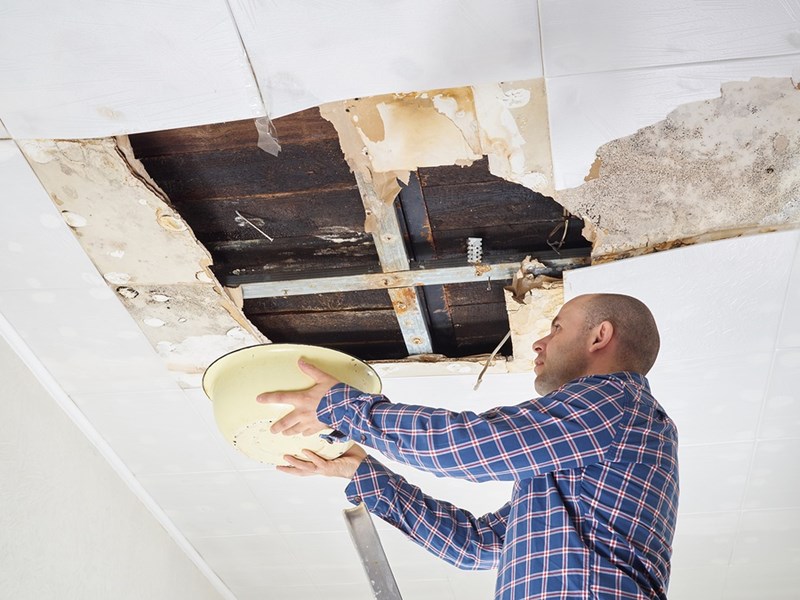
1. Water Stains on Ceilings or Walls
One of the earliest and most recognizable signs of a roof leak after storm is the appearance of water stains.
These stains often appear as:
- Yellow rings
- Brown discoloration
- Rust-colored spots
- Dark patches
- Expanding ceiling stains
Although the stain may appear dry, moisture can still be trapped above the ceiling.
Professional moisture detection helps determine whether hidden water remains inside the structure.
2. Dripping Water Inside the Home
Active dripping is an obvious indication that water has penetrated the roofing system.
Common locations include:
- Attics
- Hallways
- Bedrooms
- Living rooms
- Around skylights
- Near chimneys
Even small drips should never be ignored.
Water often travels along rafters before becoming visible, meaning the source of the leak may be several feet away from where the water finally appears.
3. Missing, Lifted, or Damaged Shingles
Strong Utah summer winds frequently damage roofing materials.
After a storm, look for:
- Missing shingles
- Curled shingles
- Lifted shingles
- Cracked shingles
- Loose roofing materials
Any opening in the roofing system increases the likelihood of developing a roof leak after storm during the next rainfall.
4. Granules Collecting in Gutters
Asphalt shingles naturally shed granules as they age.
However, large amounts of granules appearing after a storm often indicate impact damage from hail or high winds.
Granule loss exposes the underlying roofing material to:
- UV damage
- Moisture penetration
- Accelerated deterioration
A professional roof inspection can determine whether the roof has sustained storm-related damage requiring repairs.
5. Musty Odors in the Attic
A persistent musty smell often indicates hidden moisture.
Even when visible water isn’t present, damp insulation and wood framing can produce odors that signal a roof leak after storm.
Moisture trapped inside attic spaces also creates ideal conditions for mold growth if left untreated.
6. Sagging or Soft Ceiling Areas
Water trapped above the ceiling gradually weakens drywall.
Warning signs include:
- Sagging ceilings
- Soft drywall
- Bulging paint
- Bubbling textures
- Ceiling cracks
These conditions indicate that moisture has likely accumulated for an extended period and should be addressed immediately.
Don’t Wait Until a Small Roof Leak Becomes Major Water Damage
Storm-related roof leaks often continue damaging your home long after the rain stops.
PuroClean of Layton provides 24/7 emergency water damage restoration, moisture inspections, structural drying, storm damage recovery, and complete property restoration throughout Layton and surrounding communities.
📞 Call (801) 513-2232 today for emergency storm damage restoration and professional moisture inspection.
7. Mold or Mildew Appearing After a Storm
When moisture remains trapped inside walls, ceilings, or attic insulation, mold can begin developing within 24 to 48 hours.
Watch for:
- Dark spots on ceilings
- Mold around vents
- Mildew odors
- Discoloration near roof penetrations
- Visible mold in attic spaces
These signs often indicate that water intrusion has been occurring longer than expected.
Professional restoration addresses both the mold and the moisture source to help prevent recurring problems.
How Professionals Detect a Roof Leak After Storm
Storm damage isn’t always visible from the ground.
At PuroClean of Layton, we use advanced moisture detection equipment to locate hidden water intrusion without unnecessary demolition.
Our inspection process may include:
- Thermal imaging cameras
- Moisture meters
- Infrared inspections
- Moisture mapping
- Structural assessments
- Attic inspections
These technologies help identify the full extent of water intrusion, allowing restoration to begin before secondary damage becomes more severe.
What Happens If a Roof Leak After Storm Is Ignored?
A roof leak rarely repairs itself.
In fact, even a small leak can continue causing damage long after the storm has passed.
Water trapped inside your home’s structure continues moving through porous building materials, affecting areas that may not show visible damage for days or even weeks.
Ignoring a roof leak after storm can result in:
- Mold growth within 24–48 hours
- Saturated attic insulation
- Drywall deterioration
- Wood rot
- Ceiling collapse
- Electrical hazards
- Damaged flooring
- Ruined personal belongings
- Higher restoration and reconstruction costs
The sooner professional restoration begins, the greater the opportunity to salvage building materials and reduce repair expenses.
How PuroClean of Layton Restores Storm-Related Water Damage
Every storm affects homes differently.
That’s why PuroClean of Layton develops a customized restoration plan after every roof leak after storm.
Our storm recovery services include:
- Emergency water extraction
- Comprehensive moisture inspection
- Thermal imaging
- Moisture mapping
- Structural drying
- Commercial dehumidification
- Ceiling and wall drying
- Mold prevention treatments
- Sanitization of affected areas
- Odor removal
- Reconstruction coordination
- Insurance claim documentation
By identifying hidden moisture early, we help prevent additional damage while restoring your home safely and efficiently.
What to Do Immediately After Discovering a Roof Leak After Storm
If you discover a roof leak after severe weather, taking the right steps immediately can help minimize damage before restoration professionals arrive.
We recommend that homeowners:
- Move furniture and valuables away from the affected area.
- Place containers beneath active drips to collect water.
- If safe, shut off electricity to affected areas where water may contact electrical fixtures.
- Take photographs of visible damage for insurance purposes.
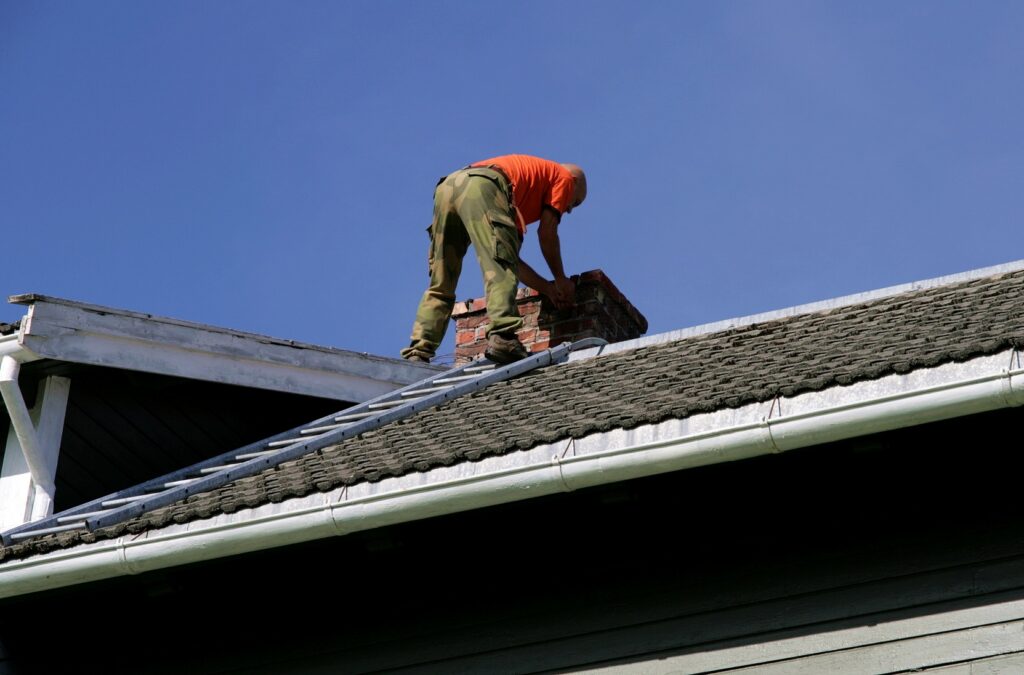
- Avoid climbing onto the roof, especially while it is wet or unstable.
- Contact a professional restoration company as soon as possible.
Quick action often reduces both restoration costs and the likelihood of secondary damage.
Preventing Future Roof Leak After Storm Damage
Although severe weather cannot be prevented, homeowners can reduce the likelihood of future roof leaks by maintaining their roofing system.
Helpful maintenance includes:
- Scheduling annual roof inspections.
- Replacing damaged or missing shingles promptly.
- Inspecting flashing around chimneys and vents.
- Cleaning gutters and downspouts regularly.
- Trimming overhanging tree branches.
- Repairing minor roof damage before the next storm season.
- Scheduling professional inspections after hail or wind events.
Preventive maintenance helps identify weaknesses before they develop into a roof leak after storm.
Protect Your Home Before Hidden Storm Damage Gets Worse
A roof leak can continue damaging your home long after the skies have cleared.
PuroClean of Layton provides 24/7 emergency water damage restoration, structural drying, moisture inspections, storm damage recovery, mold remediation, and complete property restoration throughout Layton and surrounding communities.
📞 Call (801) 513-2232 today for immediate storm damage restoration and emergency water mitigation.
Why Layton Homeowners Trust PuroClean
Recovering from storm damage requires more than simply drying visible water.
It requires experienced restoration professionals who understand how water travels through roofing systems and building materials.
Homeowners throughout Layton trust PuroClean because we provide:
- Professional restoration after a roof leak after storm
- 24/7 emergency response
- Advanced moisture detection
- Thermal imaging inspections
- Water extraction
- Structural drying
- Commercial dehumidification
- Mold remediation
- Reconstruction coordination
- Insurance claim assistance
Using advanced restoration technology and IICRC-guided procedures, we help homeowners recover quickly while protecting the long-term integrity of their homes.
Frequently Asked Questions About Roof Leak After Storm
How soon should I address a roof leak after storm?
Immediately. Even a small leak allows moisture to enter your home’s structure, increasing the risk of mold growth, structural damage, and higher restoration costs.
Can a roof leak appear days after a storm?
Yes. Water often enters the roof during a storm but may take hours or days before becoming visible as ceiling stains, dripping water, or bubbling paint.
Will homeowners insurance cover a roof leak after storm?
Coverage depends on your individual policy and the cause of the damage. Many policies cover sudden storm-related damage but may exclude damage caused by deferred maintenance. Contact your insurance provider for details.
How do professionals find hidden roof leaks?
Restoration professionals use thermal imaging cameras, moisture meters, infrared inspections, attic evaluations, and moisture mapping to identify hidden water intrusion without unnecessary demolition.
How long does storm-related water damage restoration take?
Every project is different. The timeline depends on the extent of water intrusion, the affected building materials, and whether mold remediation or reconstruction is required. After inspection, your restoration team will provide a detailed restoration plan.
A roof leak after storm may seem minor at first, but hidden water intrusion can quickly escalate into mold growth, structural deterioration, damaged insulation, and expensive repairs if left untreated.
Recognizing the warning signs early, and acting quickly, can make the difference between a straightforward restoration project and a major reconstruction.
At PuroClean of Layton, we specialize in helping homeowners recover after Utah’s severe summer storms. Using advanced moisture detection technology, commercial drying equipment, and proven restoration techniques, we locate hidden water, prevent secondary damage, and restore your home safely and efficiently.
If you’ve experienced heavy rain, hail, or strong winds and suspect a roof leak, don’t wait until visible damage spreads throughout your home.
📞 Call PuroClean of Layton today at (801) 513-2232 for expert storm damage restoration, water mitigation, and professional moisture inspection.