 PuroClean of Layton
Roof leak repair becomes unexpectedly common in Layton every March, even after winters with little snow. Many homeowners assume roof leaks only follow heavy snowfall or dramatic storms. However, dry winters often create a different kind of hidden roofing stress that quietly develops over several months.
Wind exposure, micro freeze–thaw expansion, and subtle flashing movement gradually weaken roofing systems during January and February. Because these changes are small, homeowners rarely notice them. The damage often becomes visible only when the first spring rainstorms arrive.
Understanding why this happens can help homeowners prevent expensive repairs and structural damage. In this 2026 guide, PuroClean of Layton explains the hidden causes of spring roof leaks, the early warning signs homeowners often miss, and why fast roof leak repair protects your home from more serious water damage.
Table of Contents
Roof Leak Repair: Why Roof Damage Appears in March After a Dry Winter
roof leak repair requests typically increase in early spring because winter damage remains hidden until rain exposes it. Even without heavy snowfall, roofs experience months of temperature stress and wind pressure.
The National Weather Service explains that winter temperature fluctuations create freeze–thaw cycles that repeatedly expand and contract building materials. Over time, these cycles loosen flashing, shingles, and roofing seals.
At the same time, the Federal Emergency Management Agency (FEMA) notes that wind events can slowly lift roofing materials, weakening the protective layers that keep water out.
When March rain arrives, these small vulnerabilities allow water intrusion, creating the sudden need for roof leak repair.
7 Hidden Reasons Layton Roof Leaks Appear After a Dry Winter
1. Wind Exposure Loosens Shingles and Roofing Components
Low-snow winters often expose roofs to stronger and more frequent winds. Without snow weight stabilizing shingles, wind uplift can gradually shift roofing materials.
The National Weather Service explains that prolonged wind exposure can loosen shingles and flashing systems over time. These subtle changes rarely cause immediate leaks but weaken the roof’s water barrier.
Once rain begins in March, homeowners may suddenly need roof leak repair.
2. Micro Freeze–Thaw Expansion Creates Tiny Gaps
Even small amounts of moisture trapped in roofing materials can expand when frozen.
The U.S. Geological Survey explains that freeze–thaw expansion occurs when water freezes and expands within cracks or porous materials. Repeated cycles slowly widen gaps.
Over the course of winter, these micro fractures can compromise roof integrity and lead to roof leak repair needs.
3. Flashing Around Roof Penetrations Gradually Shifts
Flashing protects vulnerable areas where roofing materials meet chimneys, vents, skylights, and walls. However, flashing can shift slightly due to temperature changes.
The International Association of Certified Home Inspectors notes that flashing failures are one of the most common causes of roof leaks. Even small separations allow water to travel beneath roofing layers.
These gaps often go unnoticed until rain triggers the need for roof leak repair.
4. Sealants Shrink During Cold, Dry Conditions
Dry winter air can cause roofing sealants and caulking to contract. Over time, shrinking sealants leave small openings around flashing and vents.
The U.S. Department of Energy explains that temperature changes and low humidity affect building materials and seals, leading to gaps that allow air and moisture intrusion.
Sealant deterioration is another reason homeowners require roof leak repair in early spring.
5. Debris Accumulates Without Snow Cover
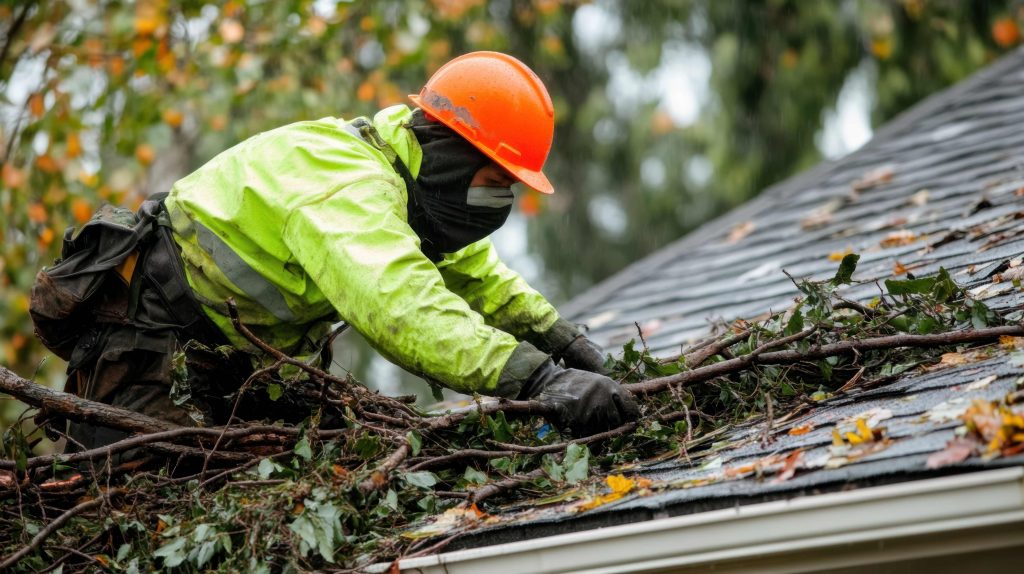
Snowfall often washes debris off roofing surfaces. In dry winters, leaves, dust, and small debris remain trapped in roof valleys and gutters.
The Environmental Protection Agency (EPA) explains that debris buildup can trap moisture and encourage mold growth or material deterioration. When rain arrives, trapped debris may redirect water beneath shingles.
This accumulation can eventually require roof leak repair.
6. Minor Water Intrusion Stays Hidden
Water intrusion often begins slowly. Moisture can spread through insulation, framing, and drywall before visible symptoms appear.
The Centers for Disease Control and Prevention (CDC) explains that mold growth can begin within 24–48 hours in damp environments. However, stains and odors may not appear until weeks later.
By the time homeowners notice discoloration or bubbling paint, roof leak repair may already be necessary.
7. Homeowners Assume Low Snow Means Low Risk
One of the biggest misconceptions about roofing damage is that it only occurs during severe storms.
The Insurance Information Institute reports that delayed roof inspections often lead to higher repair costs because homeowners overlook subtle winter damage.
This misunderstanding is a major reason roof leak repair becomes urgent in March.
Why Layton Homes Are Especially Vulnerable to Early Spring Roof Leaks
Layton’s location along the Wasatch Front exposes homes to fluctuating winter temperatures and seasonal wind patterns. These conditions accelerate roofing material fatigue.
The Utah Department of Environmental Quality explains that winter inversion conditions can increase heating demand and temperature variation across the region. This constant expansion and contraction places stress on roofing materials.
When spring rain finally arrives, roofs weakened by months of subtle stress reveal hidden vulnerabilities, making roof leak repair essential.
Why do roof leaks appear after a dry winter?
Roof leaks often appear in early spring because winter wind exposure and freeze–thaw cycles weaken roofing materials.
Can roofs leak even without heavy snowfall?
Ceiling stains, peeling paint, musty odors, and damp attic insulation are common early warning signs.
When should homeowners inspect their roof?
Roof inspections should be performed in late winter or early spring before seasonal rainstorms begin.
How PuroClean of Layton Helps After Roof Leaks
When leaks occur, rapid response helps prevent extensive structural damage and mold growth. PuroClean of Layton provides:
- Emergency water damage mitigation
- Moisture detection and thermal imaging
- Structural drying
- Mold remediation
- Insurance documentation support
All work follows standards established by the Institute of Inspection, Cleaning and Restoration Certification (IICRC), ensuring professional restoration and compliance with industry best practices.
If you suspect roof damage in your Layton home, contact PuroClean of Layton at (801) 513-2232 for expert roof leak repair support.
Spring Rain Reveals Winter Damage
roof leak repair often becomes necessary in March not because winter storms suddenly appear, but because months of hidden roofing stress finally reveal themselves. Wind exposure, freeze–thaw expansion, flashing gaps, and dry air gradually weaken roofing systems.
By understanding these patterns and acting quickly, Layton homeowners can prevent serious structural damage and costly repairs.
PuroClean of Layton remains a trusted local expert in water damage restoration, moisture detection, and emergency property recovery.


 PuroClean of Layton