 PuroClean of Layton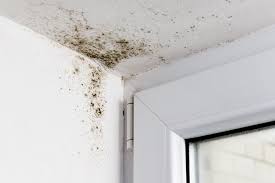
Roof leaks in Layton become a major concern every spring as rainstorms expose weaknesses that developed quietly during winter. Many homeowners assume roof leaks are obvious and easy to spot, but the reality is far more dangerous. In many cases, water enters the home long before stains or drips appear inside living spaces.
By the time visible signs develop, moisture may already be trapped inside insulation, attic materials, drywall, and structural framing. This hidden damage can lead to mold growth, wood deterioration, poor indoor air quality, and expensive repairs if left untreated.
In this 2026 guide, PuroClean of Layton explains why spring rain creates hidden roof damage, what warning signs homeowners often miss, and how to respond before minor moisture problems become major restoration emergencies.
Table of Contents
Roof Leaks in Layton: Why Spring Rain Creates Hidden Water Damage
Roof leaks in Layton frequently become worse during spring because winter weather weakens roofing systems before heavy rain begins. Freeze-thaw cycles, wind exposure, shifting flashing, and trapped moisture create vulnerabilities that allow spring rain to enter the home.
The National Weather Service explains that spring storms and rainfall can expose structural weaknesses caused by winter weather conditions. Similarly, the Federal Emergency Management Agency (FEMA) notes that even minor roof damage can allow water intrusion that leads to structural deterioration over time.
What makes Roof leaks in Layton especially problematic is that water often travels through hidden pathways before becoming visible.
7 Hidden Water Damage Risks Caused by Roof Leaks
1. Moisture Trapped Inside Attic Insulation
One of the earliest hidden effects of Roof leaks in Layton is moisture absorption inside attic insulation.
Wet insulation loses effectiveness and traps moisture against wooden framing.
The U.S. Department of Energy explains that moisture inside insulation reduces energy efficiency and contributes to material deterioration.
This hidden damage often develops long before ceiling stains appear.
2. Mold Growth Behind Ceilings and Walls
Roof leaks create ideal conditions for mold growth in concealed areas.
The Environmental Protection Agency (EPA) explains that mold can begin growing within 24–48 hours after moisture exposure.
Because mold frequently develops behind drywall and insulation, Roof leaks in Layton can create indoor air quality issues before visible mold appears.
3. Damaged Roof Flashing Around Vulnerable Areas
Flashing protects roof transitions around chimneys, vents, skylights, and valleys.
Spring rain often enters through flashing gaps weakened by winter weather.
The National Roofing Contractors Association (NRCA) identifies flashing failure as one of the most common causes of residential roof leaks.
This makes flashing damage a major contributor to Roof leaks in Layton.
4. Wood Rot and Structural Weakening
Long-term moisture exposure weakens wooden roof decking and support structures.
The Insurance Institute for Business & Home Safety (IBHS) explains that hidden water intrusion can gradually compromise structural materials.
Over time, Roof leaks in Layton may contribute to costly structural repairs if left untreated.
5. Hidden Damage Around Windows and Exterior Walls
Roof leaks do not always stay directly below the damaged area.
Water often travels along beams and framing into walls and window areas before becoming visible.
This hidden migration is one reason Roof leaks in Layton are frequently underestimated.
6. Increased Indoor Humidity and Poor Air Quality
Roof leaks contribute to elevated indoor humidity levels, especially in attics and upper floors.
The Centers for Disease Control and Prevention (CDC) explains that damp indoor environments may contribute to respiratory irritation and mold-related symptoms.
This makes Roof leaks in Layton both a structural and indoor air quality concern.
7. Electrical Risks Inside Ceilings
Water intrusion near lighting, wiring, or electrical fixtures creates potential safety hazards.
The National Fire Protection Association (NFPA) explains that electrical system exposure to moisture increases fire and electrical risks.
This is another reason Roof leaks in Layton should never be ignored.
Why Homeowners Often Miss Early Roof Leak Warning Signs
Many homeowners expect roof leaks to produce obvious dripping water. In reality, hidden moisture often develops slowly and silently.
Common early warning signs include:
- Musty attic odors
- Slight ceiling discoloration
- Increased humidity indoors
- Peeling paint near ceilings
- Warped trim or drywall
- Higher energy bills
- Damp insulation
The EPA explains that hidden moisture can remain active even without obvious standing water.
This delayed visibility allows Roof leaks in Layton to worsen before homeowners realize the extent of the damage.
Why Spring Rain Is More Dangerous Than Winter Snow
Many people assume winter snow causes the greatest roofing problems. However, spring rain is often more damaging because it actively penetrates weakened roofing systems.
Winter freeze-thaw cycles loosen shingles, expand flashing gaps, and weaken roof seals. Spring rain then exploits these vulnerabilities.
The National Weather Service notes that rapid seasonal weather transitions frequently increase water intrusion risks in residential properties.
This seasonal transition is a major driver of Roof leaks in Layton every year.
What Homeowners Should Do Immediately
If you suspect roof-related water intrusion, taking quick action is critical.
1. Inspect Attics and Ceilings
Look for moisture stains, wet insulation, or musty odors.
2. Check Exterior Roof Areas
Examine flashing, shingles, valleys, and gutters after storms.
3. Address Small Signs Quickly
Minor stains or dampness can indicate larger hidden problems.
4. Avoid Delaying Repairs
Moisture spreads quickly through insulation and framing.
5. Schedule Professional Moisture Inspection
Advanced moisture detection helps identify hidden damage before it worsens.
These steps help reduce the long-term impact of Roof leaks in Layton.

Take Note of These
Why do roof leaks become worse in spring?
Spring rain enters roofing systems weakened by winter weather, freeze-thaw cycles, flashing damage, and loose shingles.
Can roof leaks cause hidden mold growth?
Yes. Moisture trapped behind ceilings and insulation can lead to mold growth within 24–48 hours.
What are early warning signs of roof leaks?
Musty odors, ceiling discoloration, damp insulation, and peeling paint are common early indicators.
How quickly should roof leaks be repaired?
Immediately. Delays allow moisture to spread and increase repair costs.
How PuroClean of Layton Handles Roof Leak Water Damage
PuroClean of Layton provides comprehensive restoration services for hidden roof leak damage and moisture intrusion.
Services include:
- Moisture mapping and thermal imaging
- Emergency water extraction
- Structural drying and dehumidification
- Mold remediation
- Ceiling and drywall restoration
- Insurance claim support
All restoration services follow standards established by the Institute of Inspection, Cleaning and Restoration Certification (IICRC).
This professional process ensures Roof leaks in Layton are addressed thoroughly and safely.
Can roof leaks cause mold even without visible water?
Yes. Hidden moisture inside insulation and walls can support mold growth quickly.
Do roof leaks always show visible ceiling stains?
No. Water may travel through hidden structural pathways before becoming visible.
Can spring rain damage a roof even after winter ends?
Yes. Spring rain often exposes weaknesses created during winter weather.
Should homeowners inspect attics after storms?
Yes. Early attic inspections help identify moisture before major damage develops.
Hidden Water Damage Is the Real Danger
Roof leaks in Layton are often far more serious than homeowners initially realize. The visible leak is rarely the entire problem. Hidden moisture behind walls, insulation, and ceilings can continue spreading long after storms end.
By recognizing the warning signs early and responding quickly, homeowners can prevent mold growth, structural deterioration, and expensive repairs.
PuroClean of Layton remains a trusted local expert in water damage restoration, helping homeowners identify hidden moisture problems and restore their homes safely and efficiently.


 PuroClean of Layton