


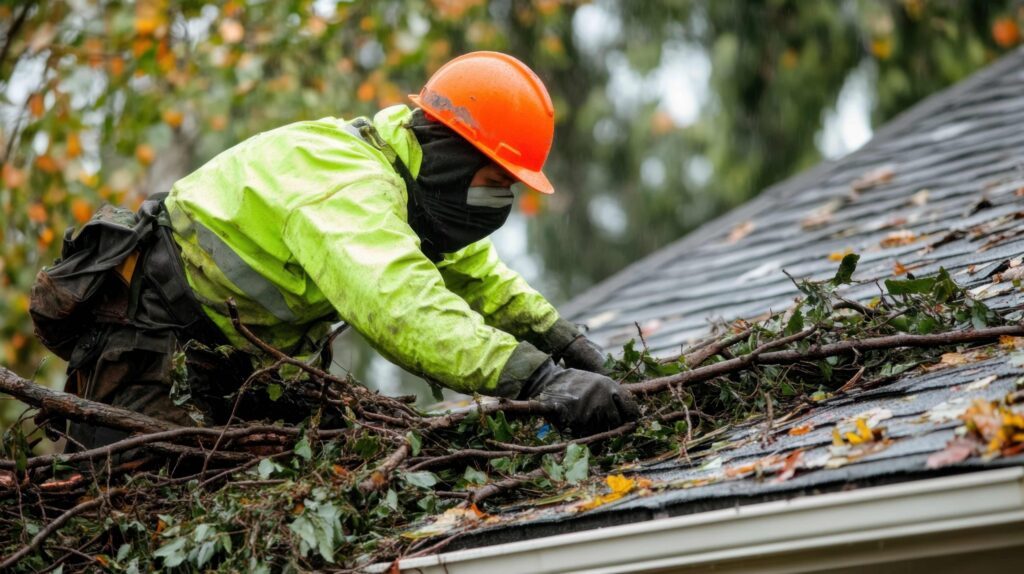
Structural damage is one of the most overlooked risks facing Layton homeowners during dry, windy winters. While heavy snow and ice tend to receive the most attention, extended periods of cold, low humidity, and strong winds can quietly weaken building materials, foundations, roofing systems, and exterior components. Many homeowners assume that without deep snow accumulation, their homes are safe from winter-related harm. In reality, dry and windy winter conditions often create hidden stress that builds gradually.
Layton’s winter climate includes fluctuating temperatures, gusty wind patterns, and extended dry spells. These environmental factors place repeated strain on homes, especially older structures or properties with deferred maintenance. Over time, these stressors contribute to cracking, shifting, loosening materials, and moisture infiltration.
In this 2026 guide, PuroClean of Layton explains how dry, windy winters contribute to structural damage, what warning signs homeowners should watch for, and how early intervention can prevent expensive repairs.
Table of Contents
Structural Damage: Why Dry, Windy Winters Create Hidden Risks
structural damage develops during dry, windy winters because materials expand and contract under temperature fluctuations while wind pressure applies repeated force against exterior surfaces. Unlike heavy snow events that cause visible stress, wind and dryness act gradually.
The National Weather Service explains that sustained winter wind gusts increase pressure on roofing systems, siding, and structural connections. Meanwhile, the U.S. Geological Survey notes that freeze–thaw cycles in dry soil still cause ground movement, even without snowpack.
This combination makes Layton homes vulnerable to structural damage during prolonged winter dryness.
1. Wind Uplift Weakens Roofing Systems
Strong winter winds create uplift forces on shingles and roofing materials. Over time, these forces loosen fasteners and compromise seals.
The Federal Emergency Management Agency explains that wind uplift pressure can gradually weaken roofing attachments, increasing the likelihood of damage during future storms. Even if shingles do not immediately detach, repeated stress can reduce structural integrity.
Wind-related wear is a leading contributor to structural damage during dry winters.
2. Temperature Fluctuations Cause Material Expansion and Contraction
Cold nights followed by mild daytime temperatures create expansion and contraction cycles in wood, concrete, and metal components.
The U.S. Department of Energy explains that building materials expand and contract with temperature changes, which can place stress on joints and seals. Over time, these cycles can widen cracks and loosen structural connections.
Repeated movement increases structural damage risk throughout winter.
3. Dry Air Shrinks Wood Framing and Interior Materials
Low humidity levels common during winter heating cause wood framing, trim, and flooring to contract.
The Environmental Protection Agency notes that low indoor humidity can lead to material shrinkage and cracking. As wood dries and contracts, gaps may form around windows, doors, and structural joints.
These small changes contribute to structural damage that may go unnoticed until spring.
4. Soil Movement Impacts Foundations
Even without heavy snow, winter freeze–thaw cycles cause soil movement around foundations.
The U.S. Geological Survey explains that soil expands when frozen and contracts during thawing, creating shifting pressure against foundations. Layton homes built on expansive soils are especially vulnerable.
Foundation shifts increase long-term structural damage risk.
5. Wind-Driven Debris Damages Exterior Surfaces
High winds carry debris that can strike siding, windows, and roofing materials.
The National Weather Service emphasizes that wind-blown debris is a common cause of property damage during winter storms. Even minor impacts can compromise seals, allowing moisture to intrude.
These vulnerabilities can escalate into more significant structural damage over time.
6. Cracks Allow Moisture Intrusion
Dry winters do not eliminate moisture risk. Small cracks caused by contraction or wind pressure allow water intrusion during intermittent precipitation.
The Environmental Protection Agency explains that moisture infiltration through cracks can promote mold growth and material deterioration. Even minimal moisture exposure weakens structural materials.
Unchecked infiltration compounds structural damage.

7. Deferred Maintenance Becomes Critical in Late Winter
Small winter stresses accumulate over months. By February and March, minor weaknesses may become major failures.
The Insurance Information Institute reports that winter-related property claims often stem from gradual deterioration rather than single catastrophic events. Homeowners who delay inspection may face higher repair costs.
Regular assessment reduces structural damage risk significantly.
Why Layton Homes Face Elevated Winter Stress
Layton’s exposure to Wasatch Front wind patterns and fluctuating winter temperatures increases seasonal stress on residential structures. Dry spells combined with gusty winds amplify wear on roofing and exterior materials.
The Utah Department of Environmental Quality also notes that winter inversions can trap dry air conditions, contributing to indoor humidity imbalances. These environmental factors interact to affect both interior and exterior components.
Understanding these regional conditions is key to preventing structural damage.
Can dry winters cause structural damage?
Yes. Wind pressure, temperature fluctuations, and soil movement can weaken structural components even without snow.
What are early signs of winter structural stress?
Cracks in drywall, sticking doors, roof shingle loosening, and foundation hairline cracks are common indicators.
Is wind a major winter threat in Layton?
Yes. Sustained gusts increase stress on roofing and exterior materials.
How can homeowners prevent winter structural damage?
Conduct inspections, repair minor cracks promptly, maintain roofing systems, and monitor foundation conditions.
How PuroClean of Layton Helps Protect Structural Integrity
When structural damage leads to water intrusion, mold growth, or compromised building materials, PuroClean of Layton provides comprehensive restoration services, including:
- Moisture detection and mitigation
- Structural drying
- Mold remediation
- Fire and storm damage restoration
- Insurance documentation support
All work follows standards established by the Institute of Inspection, Cleaning and Restoration Certification, ensuring professional and compliant remediation.
For expert assistance in Layton, contact PuroClean of Layton at (801) 513-2232.
Dry Does Not Mean Safe
structural damage during dry, windy winters often develops quietly. While snowstorms receive attention, prolonged wind pressure, soil shifts, and material contraction create cumulative stress.
Layton homeowners who understand this seasonal pattern can take proactive steps to protect their homes and reduce repair costs.
PuroClean of Layton remains a trusted local leader in property restoration, structural drying, and winter damage response.