 PuroClean of Layton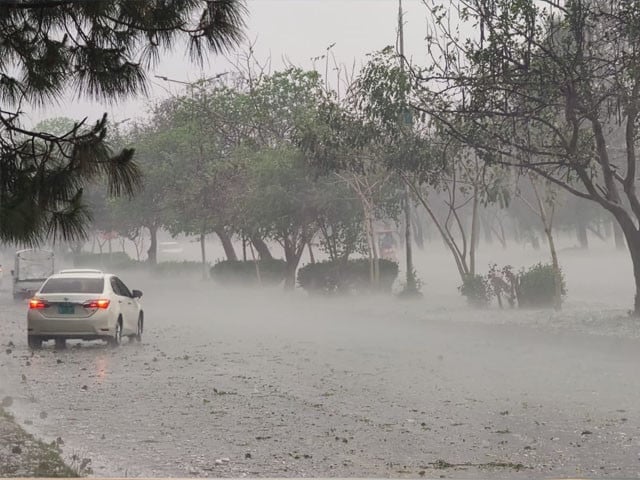
Utah’s monsoon season sweeps through Salt Lake City and surrounding regions each year with powerful afternoon thunderstorms, flash floods, and sudden surges in humidity. While the rain may be seasonal, the water damage it causes can last for months, especially when it isn’t addressed properly and promptly.
If your home has recently weathered one of these intense storms, you may be dealing with visible (or hidden) water damage in your walls, floors, or foundation. And if you’re unsure of what to do next, you’re not alone.
This expert guide walks you through the 7 critical steps every Utah homeowner should take after monsoon-related water damage, so you can protect your property, your health, and your finances.
Table of Contents
Utah’s Monsoon Season Often Causes More Damage Than You Think
Flash flooding, overflowing gutters, roof leaks, and saturated landscaping are just the start. Utah’s monsoon season frequently leads to:
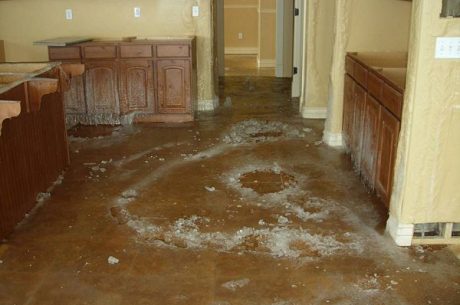
- Soaked drywall and warped wood floors
- Saturated insulation inside wall cavities
- Contaminated water seepage from street runoff
- Mold growth in as little as 24–48 hours
- Electrical hazards from hidden moisture
Many homeowners don’t realize the full extent of water damage until weeks later, when odors, stains, or mold appear. That’s why step one is always to assess the full scope of the damage.
Assess the Full Scope of Water Damage Immediately
The first hours after water exposure are crucial. Even if surfaces feel dry, moisture may still be hiding under flooring or behind walls.
Here’s how to inspect thoroughly:
- Check baseboards and drywall for softness, bubbling, or staining
- Use moisture meters or thermal imaging (your restoration company will have this equipment)
- Inspect attics, basements, and crawlspaces where water tends to collect
- Be aware of black water risks, if floodwaters came from outside, they could contain sewage or contaminants
Red Flag: If your home took on floodwater during Utah’s monsoon season, it may be classified as Category 3 (black water), which poses health risks and must be handled by certified professionals (EPA).
Prioritize Safety Before Starting Cleanup
Before lifting a towel or flipping a breaker, make sure you’re not putting yourself or your family in danger.
Safety checklist:
- Shut off power to affected areas, especially near standing water
- Wear protective gear: gloves, boots, and an N95 mask if mold is suspected
- Avoid walking on sagging floors or ceilings that may collapse
- Keep children and pets away from affected zones
Don’t re-enter the home if there’s visible structural damage. Call your utility provider or local emergency services if needed.
Document Everything for Insurance Claims
Insurance adjusters need proof of damage before repairs begin. Skipping this step could cost you thousands.
What to document:
- Wide-angle photos of every affected room
- Close-up shots of damaged materials (drywall, flooring, furniture)
- Videos showing standing water or active leaks
- Receipts for emergency services or supplies
- A log of actions you’ve taken since discovering the damage
Tip: Restoration pros like PuroClean of Layton provide detailed loss reports to support your claim, helping ensure faster payouts and fewer disputes.
Begin Emergency Water Extraction Immediately
Time is not your friend when water damage is involved. The longer materials stay wet, the more they break down, and the higher your mold risk climbs.
Professional-grade extraction equipment is vastly more powerful than a shop vac or household pump. At PuroClean of Layton, we deploy:
- High-capacity extractors that remove gallons per minute
- Weighted extraction tools for carpets and pads
- Truck-mounted vacuums for large-scale flood jobs
- Moisture monitors to track saturation levels in real time
Reminder: Water damage during Utah’s monsoon season can spread through flooring, joists, insulation, and even foundation seams. Fast, thorough extraction helps minimize this spread and reduce long-term costs.

Dry Out the Structure Thoroughly
Even after the visible water is gone, moisture can linger deep inside your walls, subfloors, and framing. That’s why structural drying is one of the most important steps, and often the most misunderstood.
What professional drying involves:
- Air movers to accelerate evaporation
- Dehumidifiers to remove moisture from the air
- Drying chambers for targeted airflow
- Injectidry systems to reach inside walls and under cabinets
- Moisture monitoring to confirm complete drying
DIY fans or open windows won’t do the job, especially during humid periods in Utah’s monsoon season, when outside air is already saturated.
Sanitize and Treat to Prevent Mold Growth
Once a surface is dry, it still needs to be disinfected, especially if the water originated outside or sat for longer than 24 hours.
Our mold prevention protocol includes:
- EPA-registered antimicrobial sprays
- HEPA vacuuming of porous surfaces
- Disinfection of high-touch and high-risk zones
- Removal of unsalvageable materials like soaked drywall, carpet pads, or insulation
At this point, your home is ready for repairs and reconstruction. If you skip sanitation, mold may begin growing under the surface and become a bigger issue than the original water damage.
Repair, Rebuild, and Restore Your Home
Whether it’s a ruined baseboard or a collapsed ceiling, the final stage is putting your home back together, stronger and safer than before.
Common repair services after Utah monsoon damage:
- Drywall removal and replacement
- Subfloor and flooring repair
- Cabinetry and baseboard reinstallation
- Painting, finishing, and mold-resistant sealants
- Roof patching or gutter system upgrades
At PuroClean of Layton, we don’t stop at mitigation. We offer full-service reconstruction, so your home is restored start-to-finish without the hassle of juggling multiple contractors when yoiu experince any damage during Utah’s Monsoon Season.
Why Choose PuroClean of Layton After Utah’s Monsoon Season?
When disaster strikes, response time, certifications, and local experience matter. We bring all three.
- Salt Lake City Experts — We understand Utah’s monsoon season patterns and the unique risks to Layton-area homes.
- 24/7 Response — Water damage doesn’t wait. Neither do we.
- Certified Technicians — Trained to IICRC standards, licensed, insured, and background checked.
- Advanced Equipment — From moisture meters to thermal cameras, we use the tools that protect your home.
- Insurance-Friendly — We document everything and work directly with your adjuster.
We’re more than just a restoration company, we’re your partner in full recovery.
7 Steps to Proper Water Damage Recovery in Utah
- Assess the scope of damage after Utah’s monsoon season
- Stay safe by addressing structural and electrical hazards
- Document damage to protect your insurance claim
- Extract water quickly and professionally
- Dry thoroughly using commercial-grade tools
- Sanitize & treat to prevent mold growth
- Rebuild with expert help to restore your home fully
Don’t Wait for Mold or Rot, Get Help Now!
Utah’s monsoon season leaves more than puddles; it leaves long-term risks if you don’t act quickly. Whether you’re ankle-deep in water or just noticing a warped wall, PuroClean of Layton is ready to respond.
📞 Call Now: (801) 513-2232
📍 Serving Salt Lake City, Layton, Draper, Sandy, and surrounding Utah communities
Request a Professional Assessment Today
No obligation. Fast response. Expert service.

 PuroClean of Layton