


Fire Safety In Your Home To Keep You Safe.
A secure environment hinges on several key factors. One of the most important is fire protection and safety measures. A fire extinguisher is an ideal item to have in a crisis. However, using it correctly and safely is as crucial as having one. Additionally, understanding the appropriate cleanup procedure post-fire extinguisher usage minimizes potential damage. In this blog, we’ll provide expert recommendations on how to use a fire extinguisher correctly and instructions on how to clean fire extinguisher residue. These methods broaden your fire safety knowledge and keep you safe during emergencies.
Understanding Types of Fires and Extinguishers
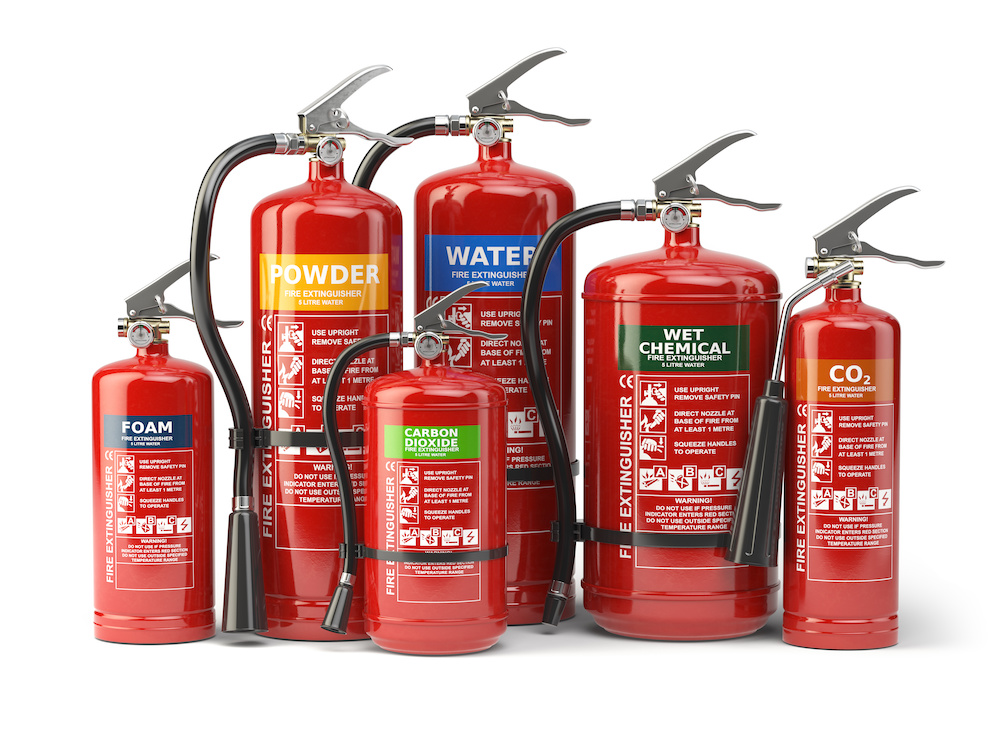
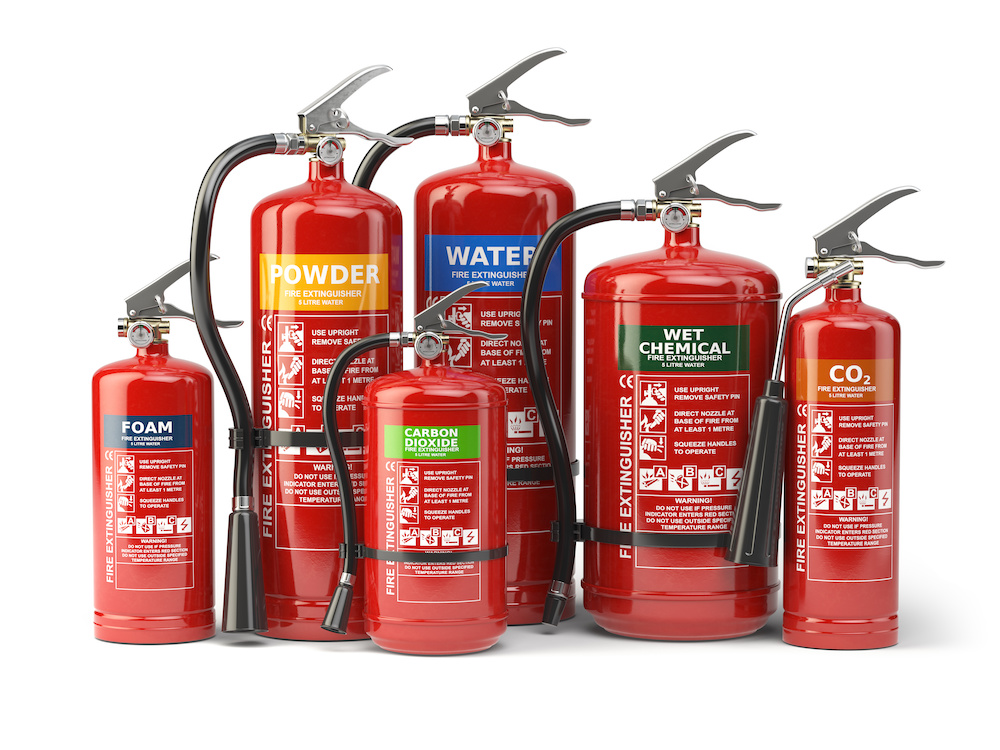
Before diving into the details of usage and cleanup, it’s important to familiarize yourself with the different fire extinguishers available. There are wet chemical fire extinguishers, clean agent fire safety, and dry chemical fire extinguishers. Each serves a specific purpose. Choosing the correct extinguisher ensures the fire is put out safely and promptly.
- Class A Fires. Class A fires involve combustible materials such as wood, paper, cloth, rubber, and plastics. These materials leave behind ash when they burn. Class A extinguishers use water in a fine mist or dry chemical extinguishers like monoammonium phosphate-based agents to cool the flames and reduce the heat.
- Class B Fires. These fires involve flammable liquids such as gasoline, oil, grease, paints, and solvents. Fires in this category typically do not leave behind ash. Class B extinguishers use foam, carbon dioxide (CO2), or dry chemical agents like sodium bicarbonate or potassium bicarbonate to smother the flames and interrupt the chemical reaction.
- Class C Fires. Class C fire safety is caused by electrical equipment such as appliances, wiring, fuse boxes, and circuit breakers. Water should never be used to extinguish electrical fires, as it can conduct electricity and cause electric shock. Class C extinguishers use non-conductive agents like carbon dioxide (CO2) or dry chemical agents to suppress the fire by displacing the oxygen around it.
- Class D Fires. These fires result from combustible metal surfaces of magnesium, titanium, potassium, and sodium. These metals burn at extremely high temperatures and require specialized extinguishing agents. Class D extinguishers use fire extinguisher powder such as powdered copper, graphite, or sodium chloride to smother the fire and prevent the metal from reacting with oxygen.
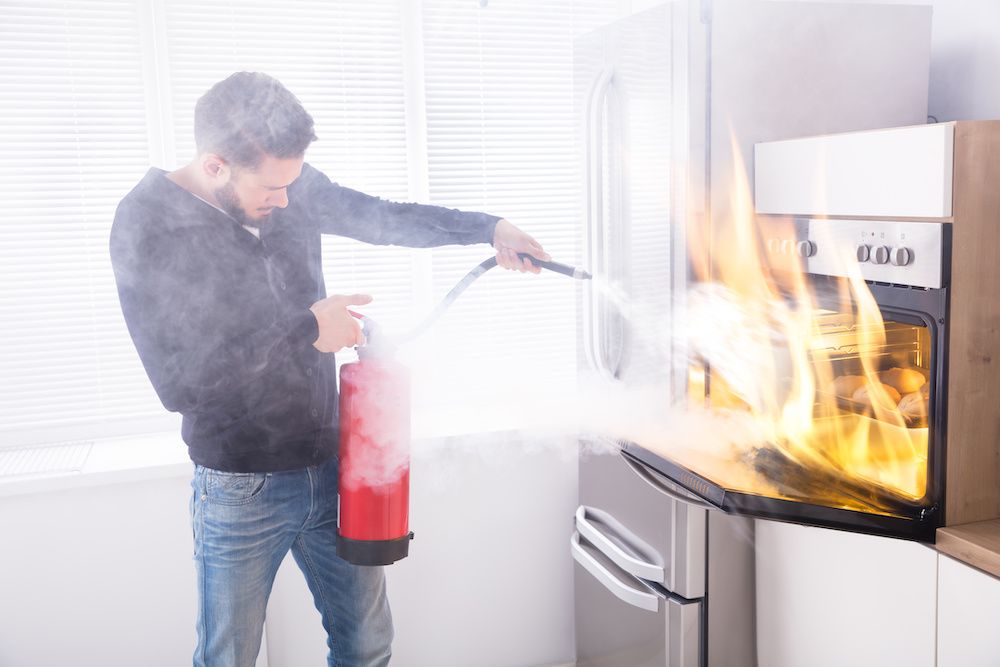
- Class K Fires. Cooking equipment, grease, fats, and oils are classified as class K fires. They are particularly dangerous, as they can quickly spread and reignite if not properly extinguished. Class K extinguishers use a wet chemical agent that reacts with the hot oils and forms a soapy foam, cooling the flames and creating a barrier to prevent re-ignition.
Understanding the different classes of fire extinguishers will ensure that you select the appropriate one to combat a specific fire type effectively.
How to Properly Use a Fire Extinguisher
Remain calm and composed when using a fire extinguisher. Remember the acronym PASS: pull, aim, squeeze, and sweep.
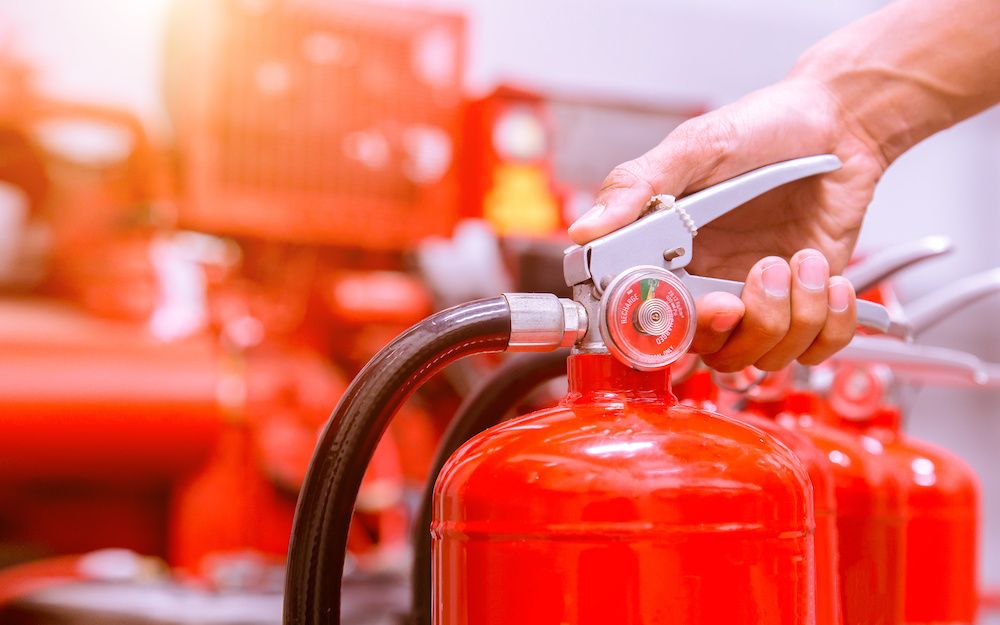
- Pull. Start by pulling the pin located at the top of the fire extinguisher. This action will break the tamper seal and release the locking mechanism.
- Aim. Aim the nozzle or hose at the base of the fire, where the flames are originating. Avoid targeting them directly, as they may spread further.
- Squeeze. Squeeze the lever or handle to discharge the extinguishing agent. Maintain a firm grip while keeping the extinguisher upright.
- Sweep. Sweep the nozzle or hose from side to side in a slow and controlled motion. Continue discharging the extinguisher until the fire is completely out. Make sure to cover the entire affected area to prevent re-ignition. Fire Safety tips you need.
Always remember that fire extinguishers have a limited discharge time. If the fire persists or the extinguisher runs out, evacuate the premises immediately and contact emergency services.
The Post-Usage Cleanup: How to Clean Fire Extinguisher Residue
When it comes to fires, extinguishing them is only half the battle. When fire suppressants like water or foam are used to put out the flames, they can leave behind a sticky residue and possibly damage surfaces they come in contact with. There is still much work to be done to minimize the mess left behind. That’s why performing a thorough and efficient cleanup is crucial. Fire Safety tips you need.
Assess the Area
Safety should always come first. Before even approaching the affected area, check that the fire is completely extinguished and there’s no danger of it reigniting. Once you’re sure it’s safe, take the time to assess the extent of the damage. Look out for any potential hazards or areas that may require special attention. You can never be too careful when it comes to fire damage, so take your time and prioritize safety every step of the way. Fire Safety tips you need.
Ventilation
After a fire, allow fresh air to circulate throughout your property to eliminate any lingering smoke or fumes. One of the most effective ways to do this is by opening windows and doors to create a natural airflow. However, if your space is large or you want to speed up the process, you can always use fans or ventilators. They can facilitate the process so the air quality returns to normal as soon as possible. Fire Safety tips you need.
Personal Protective Equipment
The importance of personal protective equipment (PPE) cannot be overstated, especially when dealing with potentially hazardous materials. Fire Safety tips you need. While most wet and dry chemicals used in extinguishers are non-toxic, they can still irritate. Therefore, it is important to handle them safely.
Before starting any cleanup process, rubber gloves, goggles, and a dust mask provide critical protection from potential contaminants. Rubber gloves guard your hands against harmful chemicals and bacteria, while goggles shield your eyes from stray particles or splashes. Fire Safety tips you need. A mask, on the other hand, protects your respiratory system from any potentially hazardous fumes.
Remove Large, Loose Debris
It’s important to exercise caution and follow proper protocol. One essential step is carefully removing any large debris or materials that may have been affected by the fire or fire extinguisher residue. This requires using appropriate tools like brooms, shovels, or dustpans to collect the debris. After, discard it properly in a proper container.
Vacuum or Dry Clean
If the affected area is carpeted or upholstered, carefully inspect that all debris and fire extinguisher residue are removed. Vacuum cleaners or dry cleaning methods can be used to remove any remaining particles successfully, but it’s important to be extremely thorough in the process. Don’t forget about corners, edges, and other hard-to-reach areas, as remnants left behind can lead to further damage. Fire Safety tips you need. Check that all cleaned areas are dried completely before moving on to the next step.
Clean Up the Residue
Ensure you know what substances were in your fire extinguisher before cleaning, as different materials might require different methods. Dry chemical fire extinguisher residue, such as that from monoammonium phosphate, Fire Safety tips you need, can be wiped away with a dry rag, brush, or soot eraser. On the other hand, sodium and potassium bicarbonate can be cleaned with a high-efficiency particulate air (HEPA) certified vacuum cleaner.
If your walls, furniture, or other surfaces have come into contact with the liquid residue of a wet extinguishing agent, be sure to use a damp rag or sponge to wipe the visible residue off. Remember to be thorough, as there may be remaining residue left behind that you may be unable to see. For those stubborn spots, try using a mild soap mixed with hot water, followed by a rinse. Fire Safety tips you need. Do not spray any foam with water, as it will cause the foam to expand and create a bigger mess.
Air Filtration
Consider investing in an air purifier or air filtration system to help restore the air quality and eliminate unwanted odours or contaminants. These devices work to capture and remove smoky smells, leaving your space feeling refreshed and clean. Fire Safety tips you need. Not only are they effective in post-fire situations, but they can also be incredibly helpful in improving air quality in general.
Professional Assistance
Dealing with a fire’s aftermath can be daunting and overwhelming, as the damage can be devastating. Cleaning up after a fire requires a lot of expertise and specialized equipment, which the average person may not have. Fire Safety tips you need. However, professional fire restoration companies like PuroClean Of Columbia have the experience and equipment to ensure a thorough and safe cleanup. Seeking their assistance can save you time and money, and best of all? Ensure that the cleanup is done correctly.

Owning a fire extinguisher is essential when it comes to fire safety, but knowing how to use it correctly and clean up after usage is equally important. With these guidelines, you can confidently use fire extinguishers and minimize any residual damage caused by a fire extinguisher’s contents. Fire safety is a shared responsibility, so being prepared can protect lives and property. Stay informed, stay vigilant, and stay safe!
Fire Damage? PuroClean of Columbia is the Team to Call
If you require fire damage restoration services, look no further than PuroClean of Columbia. Our team of professionals is highly skilled in fire damage restoration, offering comprehensive solutions to restore your property. With our expertise and state-of-the-art equipment, we are available 24 hours a day, seven days a week, to conduct thorough and efficient restoration. Please contact us today at (803) 500-9227 to find an office near you. We’re here to get you through a difficult time with compassion and precision.