 PuroClean of Victor Heights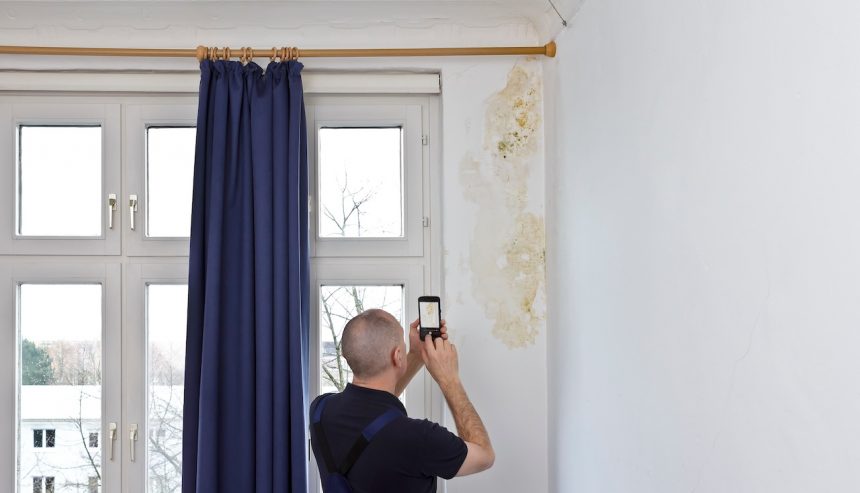
Discovering an unexpected, fuzzy white substance growing in your home can be an alarming experience. While many people are familiar with the dangers of black mold, a common question we receive at PuroClean of Victor Heights is: “What is white mold, and is it a threat?” The short answer is, all mold, regardless of color, should be treated with caution.
White mold is a term that applies to many species of mold which can grow in homes. And, like any other mold, it may compromise your property and health if you don’t deal with it. Read on to learn what white mold is and how it can affect your health.
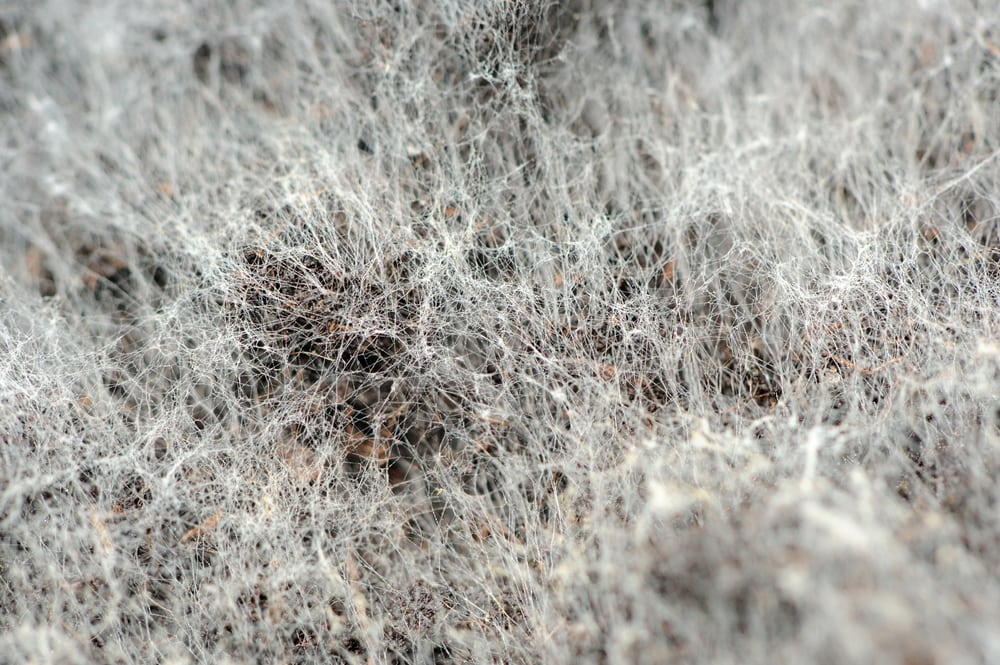
What is White Mold?
“White mold” isn’t a single species of mold. It’s a general term used to describe various mold species—including Aspergillus, Penicillium, and Cladosporium—that appear white or light in color. It can also be the early stage of a different type of mold that will later change color. White mold often has a powdery or cotton-like texture and is frequently found on porous surfaces like wood, drywall, and fabric. It thrives in high-moisture environments, such as basements, attics, and bathrooms, and can also be a sign of a hidden water leak.
White Mold vs. Mildew and Efflorescence
Sometimes, people confuse white mold with mildew, which may also have a white appearance. However, mildew rarely grows on surfaces other than plants and does not destroy materials. By contrast, white mold penetrates the surface of porous materials like wood or drywall and can damage them.
It is also common for people to mistake white mold for a substance called efflorescence. Efflorescence is a salt deposit caused by salty water seeping through concrete, brick, or stone. When the water evaporates, it leaves behind a white crystalline substance similar in appearance to this type of mold.
Yet, unlike white mold, efflorescence does not pose health risks and does not grow or spread.
To determine whether a substance is white mold or efflorescence, examine the affected surface. If it is masonry, it is likely efflorescence. Also, put some of it into a drop of water; if it dissolves, it is not mold. Lastly, squeeze some of the substance between your fingers; it is efflorescence if it breaks into a fine powder.
White Mold vs. Other Substances
It’s easy to confuse white mold with other, less harmful substances. One of the most common is efflorescence, which is a crystalline salt deposit that forms on masonry surfaces like concrete and brick. Unlike mold, efflorescence is harmless and dissolves when you apply water. A quick test can help you tell the difference: simply dab a little water on the substance. If it dissolves, it’s likely efflorescence. If it doesn’t, it could be mold.
Is White Mold Dangerous?
While white mold may not have the same notorious reputation as black mold, it is still a potential health risk and can cause significant property damage. All types of mold can release spores into the air, which, when inhaled, can lead to a variety of health issues.
- Allergic Reactions: Many people are allergic to mold, and exposure can trigger symptoms like sneezing, coughing, watery eyes, a runny nose, and skin rashes.
- Respiratory Problems: For individuals with asthma or other respiratory conditions, mold spores can irritate the lungs and worsen symptoms, leading to wheezing and difficulty breathing.
- Other Symptoms: Prolonged exposure to mold can also cause headaches, dizziness, and nausea. In more severe cases, it can lead to more serious, long-term health complications.
Beyond the health risks, white mold also poses a threat to the structural integrity of your home. As mold grows, it feeds on the organic materials it’s on, such as wood and drywall. Left unchecked, it can weaken these materials and cause cosmetic and structural damage.
How to Remove White Mold
Cleaning white mold can be challenging, as it requires thoroughness and caution to prevent the spread of spores. Here are some steps you can follow to clean white mold:
- Wear protective gear. Before starting the cleaning process, put on protective gear to safeguard yourself. This should include gloves, goggles, a mask, and a disposable coverall or clothing that can be easily washed or discarded.
- Isolate the area. If possible, isolate the affected area to minimize the spread of mold spores. Close off the room or section with plastic sheets or tarps and use fans or negative air pressure to direct airflow out of the area.
- Remove and discard porous materials. Items such as carpeting, upholstery, and insulation that are extensively affected by mold may need to be removed and disposed of properly. Consult with professionals for guidance on safely removing and disposing of contaminated materials.
- Dampen the mold. Before cleaning, lightly spray the mold-infested surfaces with water to minimize the release of mold spores into the air. This helps to prevent their dispersal during the cleaning process.
- Clean non-porous surfaces. Non-porous surfaces like tile, glass, metal, or plastic can be cleaned using a mixture of water and detergent. Scrub the surfaces thoroughly with a scrub brush or sponge to remove visible mold growth. Rinse the area with clean water and dry it completely.
- Use a mold cleaner or solution. For more stubborn mold or porous surfaces like wood or drywall, you may need to use a specialized mold cleaner or a mixture of water and vinegar. Follow the instructions provided by the manufacturer and use a scrub brush to remove the mold. Rinse the area with clean water and allow it to dry completely.
- Dispose of cleaning materials. After completing the cleaning process, dispose of any brushes, sponges, or cleaning cloths that came into contact with the mold. Seal them in plastic bags and discard them in a proper manner.
- Prevent future mold growth. After cleaning, take measures to prevent the reoccurrence of white mold. This involves ensuring adequate ventilation, managing humidity levels, resolving water leaks or moisture problems, and conducting regular inspections and cleaning of the area.
A note of caution: These steps provide general guidelines, and DIY mold removal may not always be a good idea. Based on the severity of the mold infestation and the type of affected surfaces, you may need professional assistance. Consult a mold remediation specialist who can evaluate the problem and offer pertinent advice if the mold is persistent or covers an area larger than three square feet.
What to Do If You Find White Mold
If you suspect you have white mold in your home, it’s important to act quickly to prevent it from spreading and causing further damage.
- Do Not Touch It: Avoid direct contact with the mold to prevent spores from becoming airborne.
- Identify the Source: Mold requires moisture to grow. Find and fix the source of the water problem, whether it’s a leaky pipe, a roof leak, or excess humidity.
- Call a Professional: For anything more than a very small, isolated area of mold, it is always best to call a professional mold remediation company. They have the training, equipment, and expertise to safely and effectively remove the mold and prevent its return.
For Mold Removal, Call PuroClean of Victor Heights Experts!
At PuroClean of Victor Heights, we are the “Paramedics of Property Damage.” Our certified and compassionate professionals are ready to help you with comprehensive mold removal services. We will assess the situation, contain the affected area, safely remove the mold, and take steps to ensure your property is restored to a clean and healthy condition.
Don’t let mold compromise the health of your family or the safety of your home. If you’ve discovered white mold, call the experts at PuroClean of Victor Heights today at (213) 328-3550.


 PuroClean of Victor Heights