


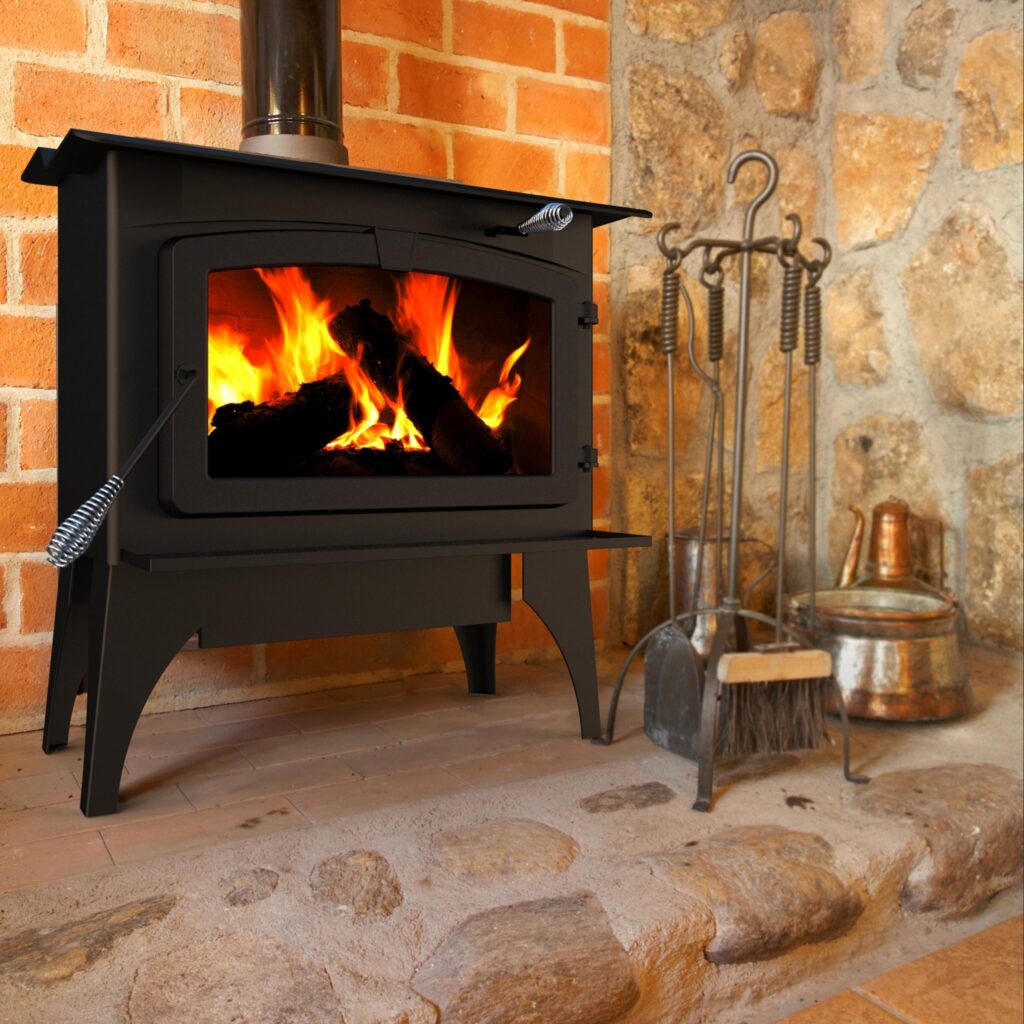
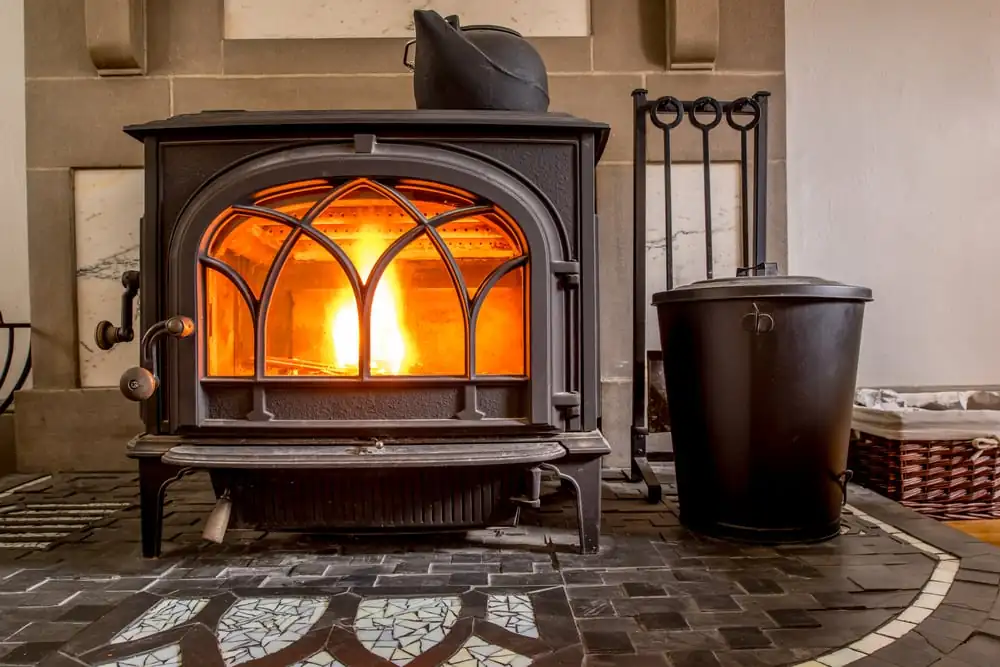
Wood stoves are an alternative heating source that can provide comfort and warmth during winter. However, using wood stoves also presents risks, such as accidental fires and carbon monoxide poisoning. Educating family members, especially children, on the safe operation of the wood stove is also essential. By taking precautions, you can enjoy the cozy ambiance and warmth of your wood stove while mitigating potential hazards. To minimize those risks, follow these wood stove safety tips:
Table of Contents
Wood Stove Safety
- If you plan to buy a new stove, have a qualified professional install the stove, chimney, and connectors. Choose a stove that’s approved by a nationally recognized testing laboratory. To ensure safety, it is crucial to follow proper installation and maintenance procedures.
- Place your wood stove on a floor pad at least three feet away from walls, furniture, curtains, and other flammable material. Similarly, keep anything that can burn at least three feet away from the stove.
- Before the heating season begins, have your chimney, flue vents, and stove inspected and cleaned by a certified chimney sweep. As a DIY task, check latches, hinges, and gaskets regularly, and keep an eye out for damage. Regularly cleaning the chimney and flue can prevent creosote build-up, a common cause of chimney fires.
- Remove ashes regularly and dispose of them safely. Let ashes cool (as they can contain live coals) before discarding them in a covered metal container. Keep the container outside, 10 or more feet away from your home and other buildings. Make sure the container is placed on a non-combustible surface to prevent any accidental fires. It’s also a good idea to have a designated spot for ash disposal, away from any flammable materials like wood piles, dry leaves, or gasoline. By following these precautions, you ensure your home and surroundings remain safe from potential fire hazards.
- Burn only dry, seasoned wood, such as maple, beech, ash, hickory or oak. Don’t burn green wood, cardboard or trash to prevent creosote buildup in your chimney flue.
- Never use gasoline, charcoal starter fluid or other flammable liquids to start your fire or to increase the intensity of the fire. These substances might explode or flare up.
- Store wood safely in a dry place, protected from the elements, such as under a shed or tarp. This also allows the wood to dry faster. In addition, keep the wood away from heat sources to reduce fire risks.
- Always supervise children when a wood stove is being used. Teach them to stay at least three feet away from a hot stove. Don’t allow pets near the stove, either.
- Ensure your home is equipped with smoke and carbon monoxide (CO) alarms. Install them outside each bedroom and on every level of the home. Interconnect all smoke and CO alarms throughout your house, so when one sounds, they all do. Test alarms monthly.
- Keep a Class A fire extinguisher handy. A portable fire extinguisher can help you to quickly put out a small fire. It’s important to familiarize yourself with how to use it properly. Remember the PASS method: Pull the pin, Aim low at the base of the fire, Squeeze the handle, and Sweep from side to side. Regularly check the extinguisher to ensure it is fully charged and in good working condition. In case of a larger fire, evacuate immediately and call emergency services. Safety should always be your top priority.
By taking these precautions, you’re ready to enjoy your wood stove during the cold winter months. For professional smoke remediation or fire damage restoration, contact your local PuroClean office. PuroClean is here for all your fire, water, mold, and biohazard cleaning needs!